

Crazy Domains: Banned Pamela Anderson Ad

Crazy Domains: Banned Pamela Anderson Ad

A “banned” TV spot that people actively go looking for

An Australian commercial featuring Pamela Anderson was banned from television following viewer complaints. Here is a peek into what all the fuss is about.

The mechanism: controversy as the distribution layer

This is a classic attention play. A provocative creative choice triggers complaints, the “banned” label becomes the headline, and the spot spreads through curiosity and conversation rather than media weight alone.

In global consumer internet services, controversy can generate disproportionate awareness, but it also forces a brand to accept trade-offs in trust and acceptability.

Why it lands: the viewer feels like they are seeing something “forbidden”

The ban is the hook. People do not click because they are shopping for domains. They click because the ad has been framed as something that crossed a line, and they want to judge it for themselves. That dynamic turns the audience into the amplifier. Every share is a comment on the controversy, which extends reach without needing to explain the product category.

Extractable takeaway: “Banned” works as a call-to-curiosity, but it only compounds if the spot quickly reconnects that attention to something the brand wants to be remembered for.

The business intent: stand out in a commoditised market

Web hosting and domain registration are crowded, price-driven categories. The job here is mental availability and brand distinctiveness. By “mental availability”, I mean being the brand people recall first when the category comes up. The real question is whether the awareness spike can be converted into category memory that outlasts the controversy. Provocation is worth using only when the brand can reconnect the attention back to a distinctive point, fast.

How to use a “banned” hook without burning trust

  • Steal the clarity of the hook. People instantly understand why they should watch.
  • Steal the earned-media shape. The story around the spot becomes part of the campaign.
  • Avoid making provocation the only idea. If the brand does not benefit beyond the outrage, the attention decays quickly.
  • Know your tolerance for fallout. Complaints and bans can lift awareness, but they can also damage long-term trust.

A few fast answers before you act

What is the “banned Pamela Anderson” Crazy Domains spot?

An Australian TV commercial featuring Pamela Anderson that was banned following viewer complaints, with the “banned” label becoming part of the distribution story.

What is the core mechanism?

Controversy as the distribution layer. Provocation triggers complaints, “banned” becomes the headline, and curiosity drives viewing and sharing.

Why does “banned” increase viewing?

It creates a forbidden-fruit effect. People click to judge it for themselves, then spread it through commentary rather than product interest.

What is the business trade-off a brand must accept?

Earned awareness can spike, but the brand also inherits the downside of the controversy. Trust, acceptability, and long-term preference can take damage.

What is the most transferable takeaway?

If you use provocation, ensure there is a brand-relevant reason the attention exists, not just outrage. Otherwise the attention decays into noise.

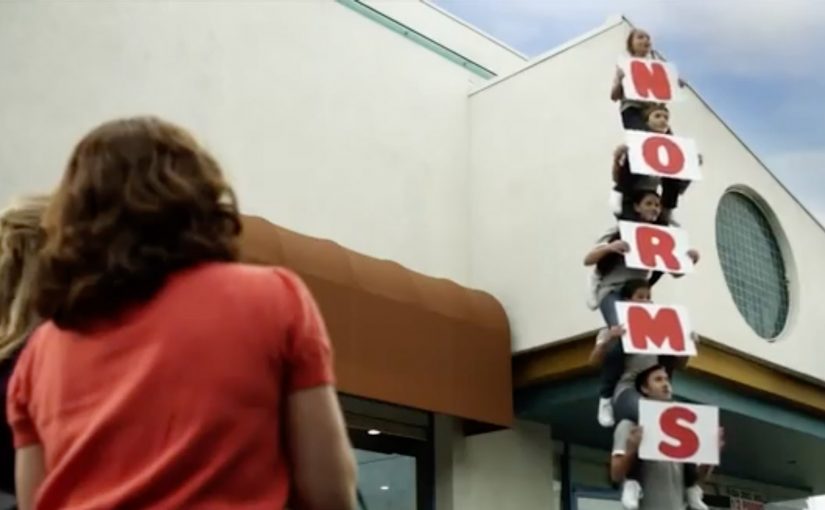
Norms Restaurants: Social Media Above-the-Line

Norms Restaurants: Social Media Above-the-Line

A TV spot that treats social as the main stage

Here is a new TV spot promoting the NORMS Restaurants Facebook page. It does something different. The commercial is grounded in social media rather than simply being an add-on.

How it works: the channel is the creative, not the CTA

The mechanism is straightforward. Instead of telling you to “go to Facebook”, the spot behaves like social. It borrows the language, pacing, and cultural cues of the feed, then uses TV as the amplifier. By “social-native”, I mean it is structured like something you would actually scroll past in a feed. This works because viewers recognize that grammar instantly, so the follow action feels like continuing the same experience.

In US regional restaurant brands, social channels can function as a 24/7 extension of the dining room: service, deals, personality, and community in real time.

The real question is whether your mass media can behave like the channel you want people to adopt, rather than merely pointing at it.

Why it lands: the message and the operating model match

Just as social media never sleeps, NORMS Restaurants also never closes. They are open 24 hours a day. That alignment matters. The spot is not trying to look modern. It is connecting a true operational differentiator to a behaviour that is always on.

Extractable takeaway: When an “always-on” message is backed by something operationally true, the creative reads as utility instead of theatre.

The intent: make “follow us” feel like utility

The point is not only awareness. It is habit formation. If the brand is always open, then the social presence can be positioned as always available too, with updates that feel useful, timely, and worth checking. This is what it looks like to put social “above the line”, treating it as the primary experience and not a supporting channel. Here, “above the line” means the social presence is the main stage, while TV is used mainly to accelerate adoption. If you want social to matter, design mass media as an on-ramp to a repeatable social habit, not as a separate campaign.

Early results the brand shared at the time

This family owned business shared the following success within 10 days of the TV commercials:

  • Gained 1,000 fans on Facebook
  • Gained 150 followers on Twitter

Moves to put social above the line

  • Make the channel the idea. If you lead with social, the creative has to feel native to how social behaves.
  • Anchor the message in something operationally true. “Always on” lands when the business actually is.
  • Give people a reason to follow, not just a reason to notice. Utility beats slogans for repeat behaviour.
  • Measure fast, then iterate. If the goal is followers and engagement, build feedback loops early.

A few fast answers before you act

What is different about this NORMS TV spot?

It is built around social media as the core creative idea, not as a last-second add-on call-to-action.

What is the main mechanism that makes it work?

TV is used as the reach layer, while the creative language is intentionally social-native, so the handoff to Facebook and Twitter feels natural.

Why does the “social never sleeps” line fit NORMS?

Because NORMS is positioned as open 24 hours a day, so the always-on idea matches the operating model instead of feeling like marketing theatre.

What is the business goal behind grounding a TV spot in social?

To turn awareness into ongoing follow behaviour, so the brand gains a direct channel for repeat visits, offers, and relationship building.

What is the most transferable takeaway?

If you want social to sit above the line, treat it as the product experience, then use mass media only to accelerate adoption.