KLM Messenger: Travel Updates in Chat

Facebook wants to transform their Messenger platform into an all-encompassing utility, where people will be able to conduct virtually any interaction, from buying products to paying bills to various other customer service related queries and tasks.

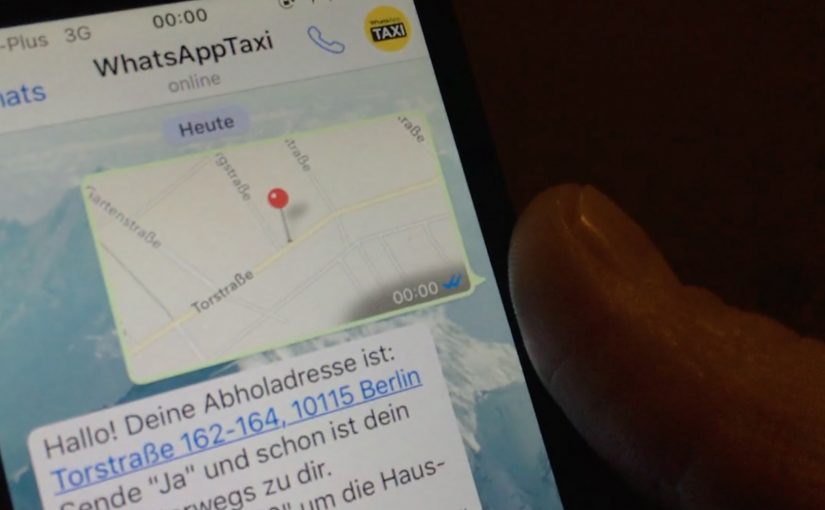
So together with KLM they have launched a new Messenger service. Travellers who book their flight on klm.com can now choose to receive booking confirmation, check-in notification, boarding pass and flight status updates all via Facebook Messenger.

For further questions they can also contact KLM directly through the Messenger, 24/7.

Why this is a meaningful shift in airline service

This takes airline communication out of the inbox and into a channel people already use all day. The value is not novelty. The value is reduced friction. Fewer app logins, fewer email searches, fewer “where is my boarding pass” moments.

  • Proactive updates. Confirmation, check-in prompts, and status changes arrive automatically.
  • One thread per trip. The travel journey stays readable in a single conversation.
  • Service in context. Questions can be asked and answered where the information already lives.

Messenger as a utility layer

If Messenger becomes a place where you can transact, track, and solve problems, then brands that show up with real utility earn repeat usage. In this case, KLM turns Messenger into a travel companion, not a marketing channel.

The more predictable the updates, the more likely customers are to opt in, and the more valuable the channel becomes for both sides.

In service-heavy journeys like travel, messaging becomes valuable when it carries the essential trip artifacts and keeps help in the same thread.

What to take from this if you run CX or MarTech

  1. Meet customers where they already are. Messaging reduces the cognitive load of managing travel.
  2. Design for opt-in value. People accept notifications when they are clearly helpful and timely.
  3. Keep the thread “service-first”. Utility collapses if the channel gets flooded with promotion.
  4. Support matters. Proactive notifications plus 24/7 human help (or well-designed escalation) is what makes it credible.

A few fast answers before you act

What did KLM launch on Facebook Messenger?

A Messenger service that delivers booking confirmation, check-in notifications, boarding passes, and flight status updates for travellers who book on klm.com, with the option to contact KLM through Messenger 24/7.

Why use Messenger for travel updates?

Because it reduces friction. Customers receive timely information in a channel they already use, without searching email or opening an airline app repeatedly.

Is this a chatbot initiative or customer service?

At its core it is customer service and trip management delivered through messaging. The key value is proactive updates plus the ability to ask questions in the same thread.

What is the main CX benefit?

One continuous conversation that contains the essential trip artifacts. Confirmation, reminders, boarding pass, and live updates in a single place.

What is the transferable lesson for other brands?

If you can deliver high-frequency, high-value updates through a messaging channel with clear opt-in, you can increase satisfaction by making the journey easier to manage.

Happy Goggles

Today’s generation of kids are growing up in a world where smartphones and tablets are a part of their everday lifes. So to celebrate the 30th anniversary of the Happy Meal, McDonald’s in Sweden decided to move with the times. This however did not require them to make radical changes. With a bit of ripping, folding and sliding they created the Happy Goggles – a unique VR viewer made from an ordinary Happy Meal box.

The limited edition Happy Goggles will be available from March 5th along with a virtual reality skiing game called “Slope Stars” [Download Link]. The game has been endorsed by the Swedish National Ski Team and provides a 360° ski experience, allowing the kids to open doors to a world of fantasy and fun, while learning how to stay safe on the ski slopes.

Volvo Keyless Cars

You land at Gothenburg airport, walk up to your car. There is no key handover. No kiosk. No awkward “where did I put it?”. You unlock the door with your phone, start the engine, and drive off. That is the behavioral shift Volvo is putting on the table as it pilots a Bluetooth-enabled digital key. The physical key stops being the default. The car starts behaving like a shareable service.

Volvo’s plan is straightforward and bold. Replace the physical car key with a mobile app that acts as a digital key. It locks and unlocks doors and trunk. It also allows the engine to be started. Volvo intends to roll this out to a limited number of commercially available cars in 2017, with real-world testing beginning in spring 2016 via Sunfleet at Gothenburg airport in Sweden. Physical keys remain available for people who want them.

What “keyless” really changes

Most coverage of keyless cars focuses on convenience. That is real, but it is not the headline. The headline is that the key becomes software, and software is shareable, revocable, time-bound, and measurable.

Once the key is an app, a car can be:

  • Shared without meeting up. You can grant access remotely, without physically transferring anything.
  • Granted for a window of time. A key can expire after a set period, or be limited to a specific day.
  • Revoked instantly. Access can be removed without changing locks or reissuing hardware.
  • Audited. Digital access can create a clean trail of who had access, when, and potentially under what conditions.

Those are not just UX improvements. They are the primitives of “car as a platform,” where access and entitlement become programmable.

In mobility and automotive categories, making access software is the quiet foundation for scalable sharing, service models, and trust.

The strategic unlock for car sharing and new mobility behavior

Volvo is not positioning this as a novelty feature. The real-world test through Sunfleet is the tell. Keyless is a missing piece for car sharing because physical keys create friction at exactly the moment you need trust and speed.

When access is digital:

  • You can share your own car more safely, because you do not need to hide a key or coordinate handoffs.
  • You can operate fleets with lower operational drag, because key logistics shrink.
  • You can start designing new use cases that are impractical when keys are physical.

This is where brand storytelling gets interesting. Volvo is not “marketing an app.” It is marketing an engineered shift in how the product behaves. The brand moves from sheet metal and safety features to a designed system of access, trust, and mobility.

What the digital key needs to get right

Moving the key to a phone is a promise. It must hold up in the messy reality of travel days, dead batteries, and edge cases.

A credible keyless experience typically needs clear answers to:

  • What happens if the phone battery dies? (Fallback options matter, including a physical key for those who want it.)
  • How does identity and authorization work? (Who can issue a key. Who can revoke it. What is the recovery path.)
  • How secure is the handoff? (Bluetooth is convenient. It also raises expectations around encryption, pairing, and spoofing resistance.)
  • How does it work for families and multi-driver households? (Multiple keys, multiple devices, and different permissions.)
  • How does it behave when connectivity is weak? (Airports and parking structures are not always friendly environments.)

None of these are reasons to avoid keyless. They are simply the requirements for turning a headline into trust.

The marketing lesson hiding inside the engineering

This is a strong pattern in modern innovation storytelling. A brand earns attention when the innovation is tangible and legible. Not “we are digital.” Instead, “a thing you used to do physically becomes software, and your behavior changes.”

In Volvo’s case, the narrative is easy to grasp:

  • The key becomes an app.
  • Access becomes shareable.
  • Mobility becomes more flexible.

That is the kind of product story that travels well. It is engineering that people can feel.


A few fast answers before you act

What is a digital car key?

A digital car key is a phone-based key that can replace the physical key for core actions like locking, unlocking, and starting the car.

Why does keyless matter beyond convenience?

Because access becomes programmable. You can share it, time-limit it, revoke it, and potentially audit it. That changes how ownership and sharing can work.

What is Volvo actually proposing here?

A Bluetooth-enabled app that replaces the physical key, with a real-world test through Sunfleet at Gothenburg airport, and a limited rollout planned for 2017. Physical keys remain available.

What is the immediate business implication for mobility services?

Lower friction. Less operational overhead around key handling. More flexible sharing models for fleets and individuals.

What must be true for this to feel trustworthy?

Clear fallbacks and recovery paths, secure authorization and revocation, and a user experience that holds up in real-life edge cases like dead batteries and poor connectivity.