
Samsung: Unleash Your Fingers

Samsung: Unleash Your Fingers

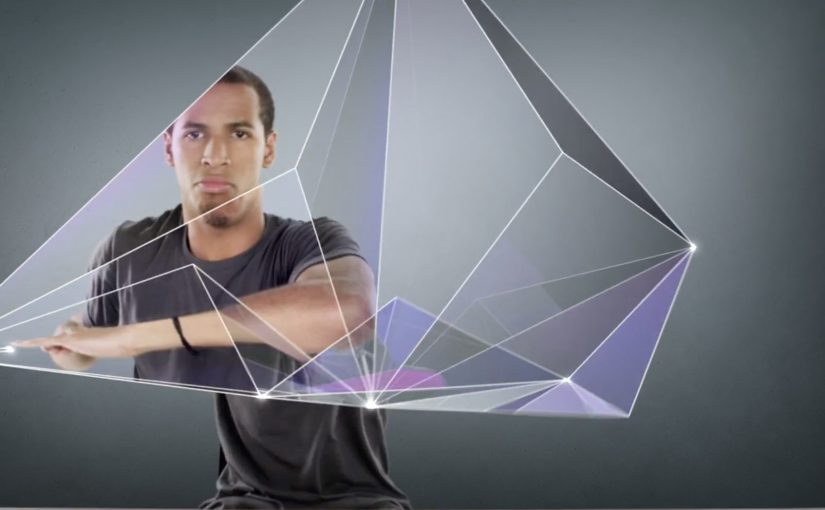
For the launch of the Galaxy S II in France, Samsung brought JayFunk, the internet finger tutting phenomenon, from Los Angeles to Paris to deliver an incredible and surprising choreography.

When “touch” becomes performance

Finger tutting is a style of dance where intricate shapes and geometric figures are created using hands and arms. Samsung frames that craft as the purest expression of what a touch device asks of you. Your fingers become the headline.

The mechanic is the metaphor

The film does one clear thing. It takes a niche skill. It stages it like a reveal. It lets the choreography do the talking, then uses visual treatment to make the hands feel almost “interface-like”. The message is implicit. This is a phone built for what your fingers can do.

In consumer electronics launches, the fastest route to preference is often a single metaphor that makes a feature feel obvious without listing specifications.

Why it lands

This works because it respects attention. There is no explanation tax, no product demo checklist, and no forced storyline. It is a short, repeatable spectacle that makes “touch” feel expressive, not functional. Because the performance externalizes touch as a visible skill, the product promise becomes intuitive before the viewer processes a single specification. Samsung’s own newsroom later described the video as quickly climbing viral charts and reaching millions of views at the time, which fits the format. It is built to be replayed and forwarded.

Extractable takeaway: When your product benefit is hard to visualize, borrow a human craft that embodies it, then let the craft carry the proof while the brand stays in the background.

What Samsung is really signalling

The brand is not only selling a handset. It is staking a position in culture. Touchscreens are not just input. They are a playground. Casting a specialist performer signals modernity, precision, and mastery, all without ever saying those words.

The real question is how to make touch feel culturally meaningful before anyone asks about specifications.

What launch teams can take from this

  • Lead with a single, watchable skill. Spectacle beats explanation when the benefit is sensory.
  • Make the metaphor tight. Fingers, touch, gestures. Everything points to one idea.
  • Keep product presence restrained. Let the audience connect the dots. It feels smarter and travels better.
  • Design for replay. Short, surprising sequences outperform long narratives for launch buzz.
  • Use culture as targeting. A niche community can become your amplification engine if you treat it with respect.

A few fast answers before you act

What is the main idea behind “Unleash Your Fingers”?

Turn touch interaction into a cultural performance, so the phone’s core benefit is felt rather than explained.

Why use finger tutting instead of a normal product demo?

Because it externalizes “dexterity on glass” in a way people can immediately understand and want to share.

What should a brand be careful about with a performance-led launch film?

Do not let the performance become disconnected from the product. The metaphor must stay legible, and the brand role must feel earned.

How could a non-tech brand apply the same approach?

Pick a human craft that embodies your promise, then film it so the craft proves the point without heavy narration or feature lists.

What is a practical success metric for work like this?

Beyond views, look for lift in branded search, share rate, completion rate, and recall of the single idea the film is built around.

The One Ronnie: My BlackBerry Isn’t Working

The One Ronnie: My BlackBerry Isn’t Working

Ronnie Corbett turns 80 in December 2010, and the BBC marks it with an all-star sketch show built around a simple idea: take the old “shop misunderstanding” format and swap the props for modern tech brands.

A classic shop sketch, updated for the BlackBerry era

The setup is instantly familiar if you grew up on British sketch comedy. A customer walks into a shop with a straightforward complaint. The assistant tries to help. Language gets in the way, and the conversation collapses into escalating misunderstanding.

Here, the misunderstanding is brand vocabulary. “BlackBerry” sounds like fruit. “Apple” could be a device or something you eat. “Orange” lands as both a fruit and a UK telecom brand. The sketch plays the confusion straight, like a modern homage to the kind of wordplay that made The Two Ronnies famous.

The mechanic: support jargon collides with everyday language

What makes it work is how the dialogue keeps switching frames. Corbett speaks in tech-support phrases. The shopkeeper responds as if it’s a greengrocer problem. Each “helpful” instruction becomes more absurd because both sides believe they are being perfectly clear.

In mass-market consumer technology, product naming and support language often drift away from how normal people naturally describe problems.

The laugh: watching certainty unravel

The comedy is not “tech is hard”. It is “tech words are slippery”. The sketch lands because it reflects a real feeling from the BlackBerry moment, the phase when a device is mainstream but the language around it still feels specialist. Lots of people own the device, but few feel fluent in the language around it.

Extractable takeaway: If your product lives in mainstream culture, treat naming, onboarding, and help content as part of the product. When everyday meanings collide with brand meanings, users do not just get confused. They get confidently confused, which is harder to recover from.

The intent: a birthday special that doubles as cultural commentary

This is not an ad. But it is a sharp snapshot of the era. BlackBerry is big enough to be a shared reference point. Apple is mainstream enough to be the punchline without explanation. That is exactly when a technology brand crosses from “product” into “culture”. Words are part of the product experience, not just the support layer around it. The real question is whether your product still makes sense once it is explained in ordinary language.

What to steal if you build digital products

  • Audit your vocabulary: if your support scripts sound like a different language than your users speak, you are creating avoidable friction.
  • Name things the way people describe them: features, settings, and errors should map to user intent, not internal architecture.
  • Test for double meanings: brand names and feature names should survive casual conversation without constant clarification.
  • Design for “first explanation wins”: early misunderstandings set the mental model. Fixing them later costs more.

A few fast answers before you act

What is this sketch actually parodying?

It’s a modern take on the British “shop misunderstanding” sketch format, using tech brand names and support language as the source of confusion.

Why does BlackBerry work as a joke prop here?

Because the name has an everyday meaning (fruit) and a product meaning (phone). The sketch exploits how quickly conversations derail when people assume different meanings.

What’s the product lesson behind the comedy?

Words are part of UX. Naming, labels, and help content shape whether users can describe problems accurately and follow instructions confidently.

How do you reduce this kind of confusion in real products?

Use plain-language labels, test terminology with non-experts, and rewrite help steps to match how users describe issues, not how engineers describe systems.

Is this still relevant once the device changes?

Yes. The device is a period reference. The underlying problem, jargon colliding with everyday language, repeats with every new platform and feature wave.

13th Street: Last Call Interactive Horror

13th Street: Last Call Interactive Horror

Last year Lacta Chocolates came up with a web-based interactive love story called Love at first site. Now Jung von Matt and Film Deluxe take the same “viewer participation” impulse into a darker genre with an interactive horror experience designed for cinemas. Here, viewer participation means the audience can influence what happens on screen instead of only reacting to it.

The movie is called Last Call by 13th Street, and it is billed as the first interactive horror movie in the world.

How the film turns a screening into a live conversation

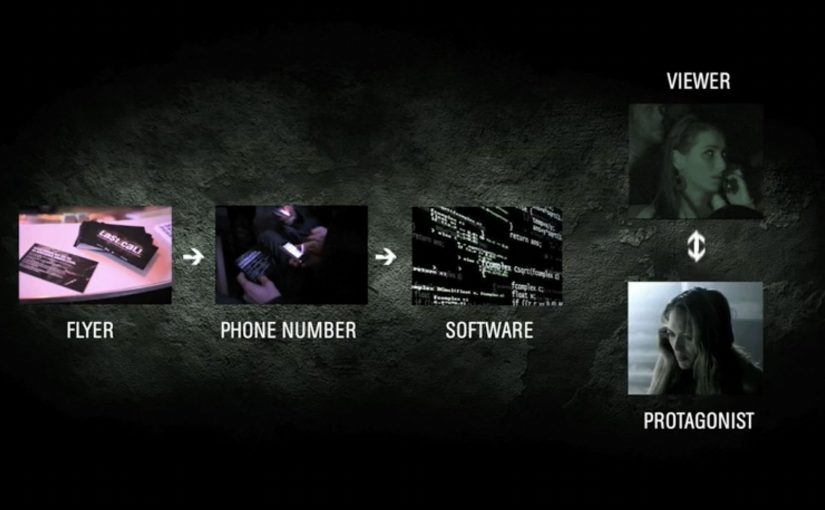
The core mechanic is simple and high-stakes. The audience can communicate with the protagonist through specially developed speech recognition that turns one participant’s answers, delivered via mobile phone, into on-screen instructions.

Instead of passively watching a character make bad decisions, one viewer gets pulled into the story and has to direct what happens next, under pressure, in front of a room full of people.

In European entertainment marketing, the strongest channel ideas are the ones that turn passive viewing into a shared physical experience.

Why it lands: it converts fear into responsibility

Horror is already interactive in your head. You are constantly thinking “don’t go in there” or “run”. Last Call makes that internal commentary explicit, then gives the viewer control at exactly the moment when tension is highest. That works because it turns private fear into public responsibility, which intensifies tension instead of interrupting it.

Extractable takeaway: If you want interactivity to feel meaningful, make the choice time-critical and socially visible. When a whole room watches one person decide, even simple branching choices feel heavier.

The intent: make a channel brand feel like an event

This is not interactivity for its own sake. It is a positioning play. The real question is whether the interaction makes 13th Street feel like the only place this kind of horror experience could happen.

The phone call is the hook, but the real product is the shared story people retell afterwards: “someone in our screening got the call”.

What to steal for your own interactive storytelling

  • Choose one decisive moment: interactivity works best when it happens at a peak, not throughout.
  • Keep the command vocabulary tight: yes or no, left or right, stay or flee. Clarity beats cleverness.
  • Make the interaction legible to spectators: the audience should understand what the caller chose without needing explanation.
  • Design for group emotion: the collective tension and reaction is part of the value.
  • Build the “retellable” sentence: “the character called an audience member” is stronger than any tagline.

A few fast answers before you act

What makes Last Call “interactive”?

A participant receives a mobile phone call and speaks choices that are translated via speech recognition into commands, which trigger different follow-up scenes.

Why use a phone call instead of a web interface?

A phone call feels personal and urgent, which matches horror. It also keeps the participant’s hands free and the interaction fast enough for a live screening.

Is this a real branching film or a gimmick?

It works like a branching structure with pre-produced scenes, selected based on a small set of recognized commands. The novelty is the live calling mechanic in a cinema context.

What is the biggest risk when copying this format?

Latency and ambiguity. If recognition is slow or choices are unclear, tension collapses. The interaction has to feel instantaneous and unmissable.

What is the transferable principle beyond horror?

Put the audience in a single, decisive role at a high-emotion peak. One clear decision, delivered fast, can create a stronger memory than many shallow interactions.