A centenary gift that tastes like home
Sanitarium Marmite is a Kiwi staple and a national icon of 100 years. Today, one in five Kiwis live abroad. Many of these 600,000 Kiwis miss their Marmite, as it is hard to get overseas.
So to commemorate its 100th year in New Zealand, Ogilvy Auckland launched a contest which reunited long-lost Kiwis with their homeland and everything they love about it, including Marmite.
The mechanic: one-way tickets as a proof of intent
All the interested candidates had to do was tell the Marmite judges what makes them, or their loved ones, a deserving candidate to avail one of the 100 one-way free air tickets from anywhere in the globe. The one-way ticket is the proof of intent, because it commits the brand to the reunion, not just a symbolic gesture.
A diaspora is the portion of a country’s people living overseas, often staying emotionally tied to “home” through food, language, sport, and ritual.
Marmite’s “Bringing Home the Kiwis” is a centenary contest that offered 100 one-way flights to bring overseas New Zealanders back home, using the return itself as the campaign’s emotional centerpiece.
In small countries with a large diaspora, local brands can act as a bridge by enabling a real reunion.
Why it lands: it makes nostalgia actionable
Most “homesickness” marketing stays symbolic. This one turns longing into logistics. The prize is not merchandise. It is presence. That is why the story travels. It is instantly understandable, and emotionally high-stakes without feeling manufactured.
Extractable takeaway: When the emotion is separation, the strongest brand move is a mechanism that creates presence, not another object that points to it.
The business intent behind the generosity
The brand is buying disproportionate meaning. Marmite becomes a shorthand for “home,” and the campaign demonstrates it through a gesture people talk about long after the winners land.
It also solves a real friction point in the insight. If the product is hard to get abroad, then “bring them back” is a bolder way to dramatize what the brand represents.
This is the right kind of generosity when your brand promise is “home” and your audience’s friction is distance.
The real question is whether you are willing to make your positioning physically true for a small number of people, rather than symbolically true for everyone.
Nice idea, but it is clearly in the same family as “bring them home” diaspora campaigns, including JWT Argentina’s 2009 effort, titled “Bring Home the Argentinians”.
What to steal if you want a diaspora idea that is more than a slogan
- Use a prize that embodies the insight. Flights beat gift packs when the emotion is separation.
- Keep entry simple, but make the stories rich. Let candidates supply the narrative energy.
- Build a clear number hook. “100 for 100 years” is easy to remember and retell.
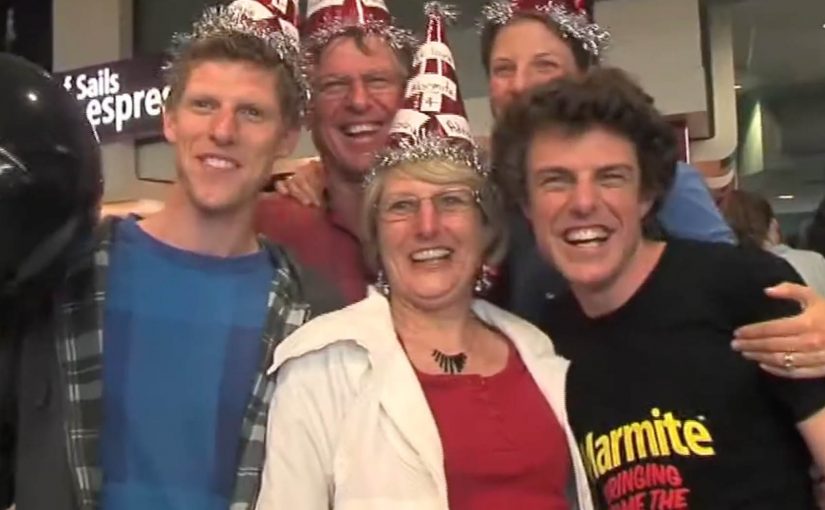
- Make the payoff visible. Arrivals and reunions are the credibility layer, not a voiceover.
A few fast answers before you act
What is Marmite’s Bringing Home the Kiwis campaign?
It is a centenary contest that offered 100 one-way flights from anywhere in the world to bring overseas New Zealanders back home. People nominate themselves or loved ones with a short story, tying the brand to the emotional idea of “home”.
Why does the “one-way ticket” prize work so well?
Because it turns nostalgia into logistics. The reward is presence, not merchandise, so the brand promise feels demonstrated rather than advertised.
Why is “100 for 100 years” a smart structure?
It is a simple number hook that is easy to remember and retell. It also makes the generosity feel purposeful instead of arbitrary.
What is the real business intent behind the generosity?
Marmite buys disproportionate meaning and becomes shorthand for “home,” while dramatizing a real friction point. It is hard to get abroad, so the campaign makes “home” the centerpiece.
What makes the story travel beyond New Zealand?
The payoff is visible and universal. Arrivals and reunions act as the credibility layer, so the idea works as a story, not just a claim.
What should other brands copy from this pattern?
If your positioning is emotional, make the mechanic physical. Choose a prize that embodies the insight, keep entry simple, and let real people supply the narrative energy.