
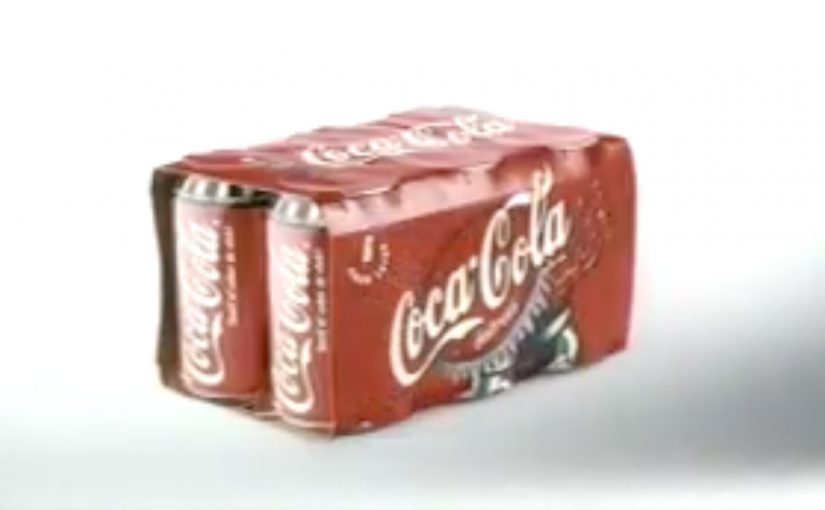
Coca-Cola: For Everyone

One of the best ads ever…

Why this kind of spot becomes “classic”

It earns that reaction by doing something deceptively hard. It keeps the idea simple, and it leaves space for the viewer to feel included without being instructed how to feel.

There is also confidence in the restraint. When a brand trusts one clear thought and commits to it, the message tends to travel further, and it ages better.

What to take from it

  • Make one promise. Clarity beats cleverness when you want memorability.
  • Design for everyone without flattening meaning. Universality works when it feels specific in emotion, not specific in audience segmentation.
  • Let the viewer do the last mile. The best work often invites completion in the viewer’s head.

A few fast answers before you act

What is “Coca-Cola: For Everyone”?

It is a Coca-Cola brand spot that frames the brand idea as broadly inclusive, and it is remembered for its simple, confident storytelling.

Why do people call ads like this “the best ever”?

Because they feel timeless. The idea is easy to repeat, the emotion is easy to share, and the execution does not rely on short-lived trends.

What is the transferable lesson for marketers?

Build around one clear thought. Then execute it with restraint so the viewer can recognize themselves inside the message.

How do you apply this without copying the creative?

Start with a universal human truth that fits your brand. Then express it in a single line of meaning, supported by one strong creative device.
BMW vs Audi: Jump for Joy

A familiar rivalry, reduced to one simple provocation

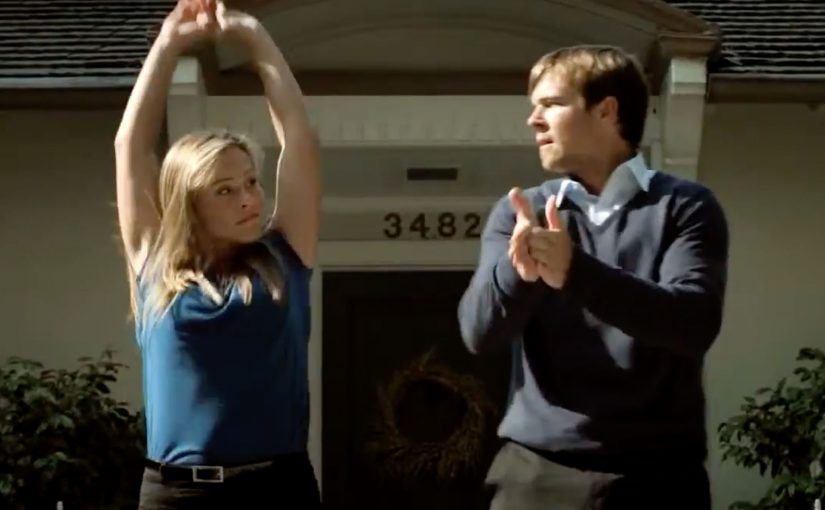
Another BMW vs Audi battle. Here you can watch some amazing ways to take a seat in a BMW.

How the idea works once you look past the stunts

The mechanic is built on a tiny human action with a clear frame. Entering the car becomes the entire performance, with the brand as the stage and the seat as the punchline.

In European automotive markets, playful rivalry cues can turn ordinary product moments into highly shareable entertainment without heavy explanation.

Why it lands: competitiveness plus physical comedy

It works because the viewer instantly understands the rules. There is an implied opponent, a familiar status game, and a stream of surprising variations that reward continued watching.

The business intent: own “fun to drive” without saying it

Instead of listing features, the brand borrows emotion. It positions BMW as energetic and confident by making the act of taking a seat feel like part of the driving fantasy.

What to steal for your next brand-versus-brand moment

  • Use a micro-behaviour as the hook. One simple action can carry an entire story if the frame is clear.
  • Let the rivalry do the setup. A known competitor creates instant context without extra copy.
  • Stack variations fast. The replay value comes from “what is the next version” momentum.
  • Make the proposition implicit. Show the feeling the brand wants to own, instead of explaining it.

A few fast answers before you act

What is the core idea of this BMW clip?

It turns the simple act of taking a seat in a BMW into a series of entertaining variations, framed as a playful BMW vs Audi rivalry moment.

How does the mechanic work?

One repeatable action is performed in multiple surprising ways. The audience keeps watching to see the next variation, not to learn features.

Why is brand rivalry effective here?

Because it creates instant stakes and a familiar frame. Viewers immediately understand the “battle” and focus on the execution.

What is the business intent behind this approach?

To reinforce BMW’s energetic, confident brand feel by associating the product with fun and performance, delivered as entertainment rather than claims.

What is the most transferable takeaway?

Choose one product-adjacent behaviour that everyone recognises, then make it repeatable, surprising, and easy to share.

Johnnie Walker: A Walk Through Brand History

A brand history told on foot, in one breath

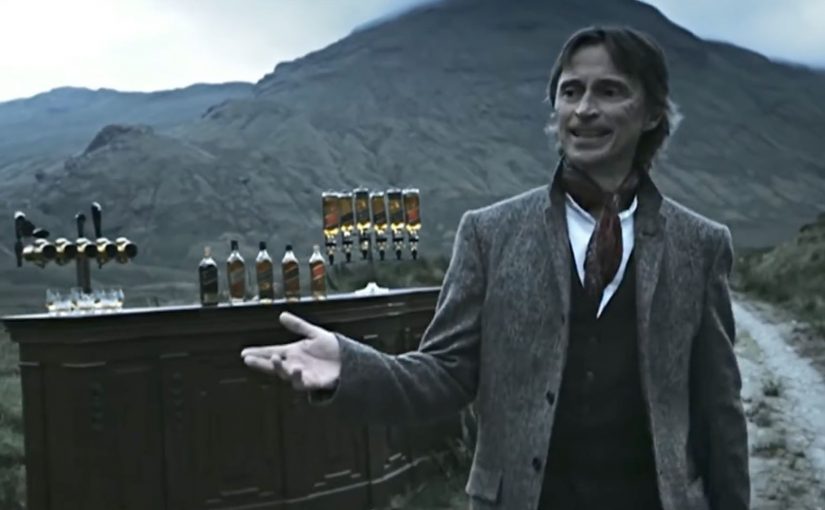
This is about as cool as it gets when telling the history behind your brand. Johnnie Walker and BBH London get Scottish actor Robert Carlisle to narrate the story while walking through the misty Scottish Highlands.

How the idea works once you look past the scenery

The format is disarmingly simple. A single, uninterrupted walking monologue where the scenery keeps moving and the story keeps building, with no hard cuts to “sell” the message.

In global FMCG marketing, long-form storytelling can earn attention when it treats the viewer like a participant in the journey rather than a target of a spot.

Why it lands: it refuses to behave like a commercial

This is not a commercial. At least not in the traditional sense. It never ran on TV. It never will. Probably because it is not a nice, short, and sweet 30 seconds long with a fancy logo and URL at the end.

That restraint is the point. The film feels like a confidence move. The brand is comfortable letting the message arrive through tone, pace, and presence, not through urgency or repetition.

The business intent: build equity in the “keep walking” idea

The walk is not just a setting. It is the brand metaphor made literal. Movement signals progress, ambition, and continuity, which aligns neatly with premium positioning and long-term brand memory.

What to steal without copying the Highlands

  • Pick a format that proves the point. Here, a continuous walk embodies persistence better than any tagline could.
  • Trade polish for presence. One voice, one take, real atmosphere. That authenticity carries further than over-produced montage.
  • Let the viewer do the “meaning-making”. The story invites interpretation instead of forcing claims.
  • Design for voluntary viewing. If it cannot survive outside TV, it is not built for modern attention.

A few fast answers before you act

What is the Johnnie Walker film concept here?

A long-form brand story delivered as a single walking monologue through the Scottish Highlands, narrated by Robert Carlisle.

How does the format work mechanically?

It relies on an uninterrupted take and a continuous narrative arc, using movement and pacing to keep attention without conventional ad cuts.

Why does it feel different from traditional advertising?

Because it does not compress into a 30-second claim-and-logo structure. It earns attention through storytelling, tone, and cinematic restraint.

What is the business goal of a piece like this?

To build premium brand equity and strengthen the “keep walking” association by making progress and momentum tangible and memorable.

What is the most transferable takeaway for other brands?

Choose a narrative format that embodies your proposition, then design it to be watched by choice. Not by interruption.