

Duracell Moments of Warmth: Heated bus shelter

In a winter of ice storms and a polar vortex, moments of warmth are few and far between. So to change that, Duracell Quantum batteries in Canada retrofit a bus shelter with heaters, but the only way to get the heat to work is through a human connection, people joining their hands.

The shelter is set up so warmth only kicks in when two or more commuters complete a simple circuit by touching the contact points and holding hands in the middle.

Why “warmth you earn together” is the right mechanism

This idea works because the product promise is experienced, not explained. Because the heaters only turn on when strangers complete the circuit together, “power” turns into instant relief you can literally feel while you wait. This is the right pattern when you can prove your claim with a sensory payoff in under a minute.

Extractable takeaway: An ambient activation, meaning a brand experience built into the environment, lands fastest when the reward is physical and only unlocks through simple cooperation.

In cold-weather urban transit, small prompts that reward cooperation can turn waiting time into a shared moment, and into a brand story.

The real question is whether your interaction rule makes strangers coordinate in seconds without a staffer, a screen tutorial, or a social script.

What makes the interaction memorable

  • Clear rule in seconds. No app, no signup, no instructions beyond the physical cues.
  • Instant feedback. The reward is heat, right now, right where you are standing.
  • Social proof built in. Every new person who walks up sees the behavior and understands what to do.

Steal the cooperation trigger

  • Make the benefit tangible. If your claim is about performance, choose an output people can sense.
  • Use a cooperative trigger. Shared actions create a story people retell without prompting.
  • Keep the loop short. If it takes more than one minute to understand, street attention disappears.
  • Let the environment do the explaining. Physical design beats copy when you only have a few seconds.

A few fast answers before you act

What is “Duracell Moments of Warmth”?

It is an ambient bus shelter activation where heaters only activate when commuters connect physically, turning “power” into a felt experience.

How does the bus shelter get activated?

Two or more people complete a simple circuit by touching the shelter’s contact points while joining hands, which triggers the heating system.

Why does the hand-holding mechanic matter?

Because it forces cooperation. The brand benefit is delivered through a human moment, which makes the warmth feel earned and memorable.

What is the brand message in one sentence?

In cold winters you need power, and sometimes the best power comes from connecting with other people.

What is the main lesson for experiential marketing?

If you want people to remember a claim, make them participate in a mechanism that behaves like the claim.
Oscar Mayer: Wake Up and Smell the Bacon

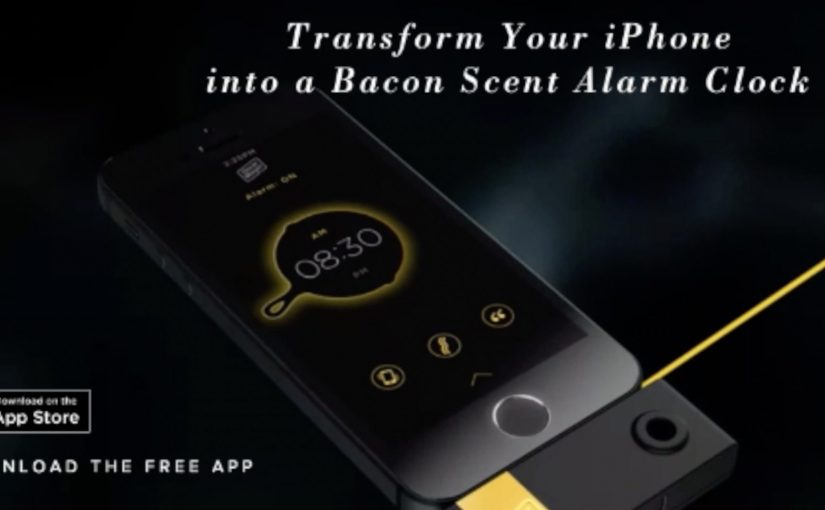
If you would like to wake up to the sound of sizzling bacon on the stove and its aroma drawing you out of bed, then head over to www.wakeupandsmellthebacon.com and answer three questions for a chance to win the special bacon-scented iPhone attachment.

The contest is being run by Oscar Mayer, and they are giving away 4700 bacon-scented iPhone attachments over the next month. Winners can then use a custom Oscar Mayer alarm app to automatically activate the iPhone attachment every morning.

How the stunt is engineered

The mechanism is a neat combination of utility and theatre: a giveaway device plus a dedicated alarm app. The theatre is the story-worthy prop that makes the idea easy to retell.

In FMCG marketing, a physical add-on that turns a brand promise into a daily ritual can outperform a one-off ad because it creates repetition without feeling like repetition.

The real question is whether you can turn a product cue into a repeatable moment people choose to replay.

This is a strong stunt because it earns replay inside an existing morning routine, not just in a one-time impression.

Why it lands

This works because the alarm app and scent attachment turn Oscar Mayer’s core cue into a repeatable, at-home sensory demo.

Extractable takeaway: Scent and sound work as marketing when they are attached to an existing habit. If the brand can own a repeatable moment in the day, the campaign shifts from impression to ritual.

It turns a product truth into a sensory demo. Oscar Mayer does not need to persuade you that bacon is appealing. It just recreates the cue that already does the persuading.

It makes the call-to-action playful. “Enter to win” is normally forgettable. Here it is a gateway to a story-worthy object, so the contest itself becomes shareable.

It upgrades branded content into branded utility. Branded utility here means a tool people use for their own sake. The alarm is not only entertainment. It is a behavior change, because the phone becomes part of a new wake-up routine.

Borrowable moves from the bacon alarm

  • Pair a simple app with a tangible artifact. Physical wins feel rarer than digital, which increases talk value, meaning how likely people are to mention it unprompted.
  • Design for daily replay. The strongest “stunts” are the ones that can be re-experienced without needing a second ad.
  • Make the entry mechanic frictionless. Fewer questions, faster entry, and the prize does the marketing.

A few fast answers before you act

What is being promoted here?

A contest for a bacon-scented iPhone attachment, supported by an alarm app that triggers the attachment in the morning.

Why does this qualify as more than a gimmick?

Because it converts a brand promise into a repeatable experience. The “demo” happens in the user’s real life, not just on screen.

What is the main behavior change the campaign creates?

It pulls the brand into a daily wake-up habit, which creates repeated exposure without needing repeated media placements.

What makes it shareable?

The object is inherently story-worthy. People can describe it instantly, and the idea is unusual enough to travel as a headline.

What is the key risk?

Link rot and platform change. If the app link, device compatibility, or contest site stops working, the core mechanic collapses.

Pizza Hut Interactive Table: order by touch

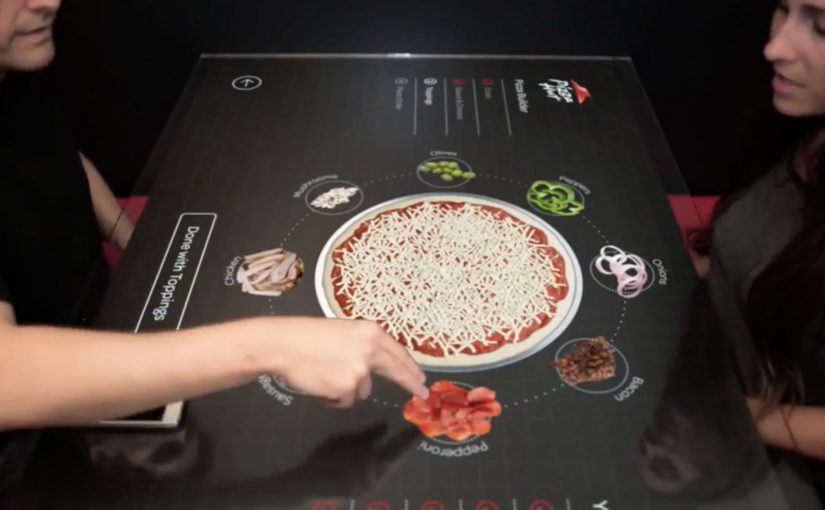
Multi-touch media that uses highly engineered glass and companion technologies feels like the future. So Pizza Hut partners with Chaotic Moon Studios in the USA to create an interactive concept table that lets customers in retail outlets create and customize their pizzas on the spot.

The promise is simple: instead of a static menu, the table becomes the interface, turning ordering into something you can explore, assemble, and adjust with your hands.

A table that turns ordering into a build experience

The mechanism is a multi-touch tabletop UI that walks you through base, sauce, toppings, and sides as a sequence of visual choices. Your pizza is assembled live on-screen, so the product takes shape while you decide.

In quick-service restaurants, the easiest way to increase customization confidence is to make choices visual and immediate.

Why it lands: it reduces friction and adds play

Ordering pizza can be surprisingly error-prone: misheard toppings, unclear sizes, forgotten extras, awkward group decisions. A touch-first interface turns that into a shared, visible process where everyone can see what is being built before it is submitted.

Extractable takeaway: When customization is the product, make the build visible to everyone, so groups converge on one order with fewer misunderstandings.

What Pizza Hut is really trying to prove

Beyond “cool tech,” this kind of table concept signals modernity in the dine-in experience. It frames Pizza Hut as a place where the experience is part of the product, not only the food.

These interfaces are worth doing only when they reduce ordering errors and keep dine-in throughput intact.

The real question is whether turning ordering into a shared build process increases confidence without slowing the line.

Borrowable patterns for touch-first ordering

  • Make the product assemble itself. Visual construction beats textual configuration for speed and accuracy.
  • Design for groups, not only individuals. Shared screens turn indecision into collaboration.
  • Keep the interaction shallow. Limit the flow to a few obvious steps with minimal typing.
  • Let the interface do the upsell quietly. Sides and add-ons perform better when they appear as natural next steps.

A few fast answers before you act

What is the Pizza Hut Interactive Concept Table?

It is a multi-touch tabletop ordering concept designed to let dine-in customers build and customize pizzas directly on the table interface.

What problem does a touch-table solve in restaurants?

It reduces ordering friction by making customization visual, shared, and less dependent on staff hearing, memory, or paper menus.

Is this an ordering system or a marketing concept?

It is presented as a concept experience to demonstrate a possible future dine-in flow, with the interface itself acting as the headline.

Why is multi-touch a good fit for pizza customization?

Pizza is modular. When options can be added, removed, and previewed instantly, customers feel more confident and order faster.

What is the main takeaway for experience design?

If you want people to customize, make the choices tangible. Let them see the product changing as they decide.