Most people in Belgium know that Kia gives a 7-year warranty on all its models. That is a good thing. But a lot of them also think 7 years sounds too good to be true, and that there must be a catch. That is a problem. If people do not believe your advertising message, regular advertising is insufficient.
So LDV United built a campaign designed to prove one simple point. Although it sounds unbelievable, the 7-year warranty is described as 100% true, with no catch.
Proof beats repetition
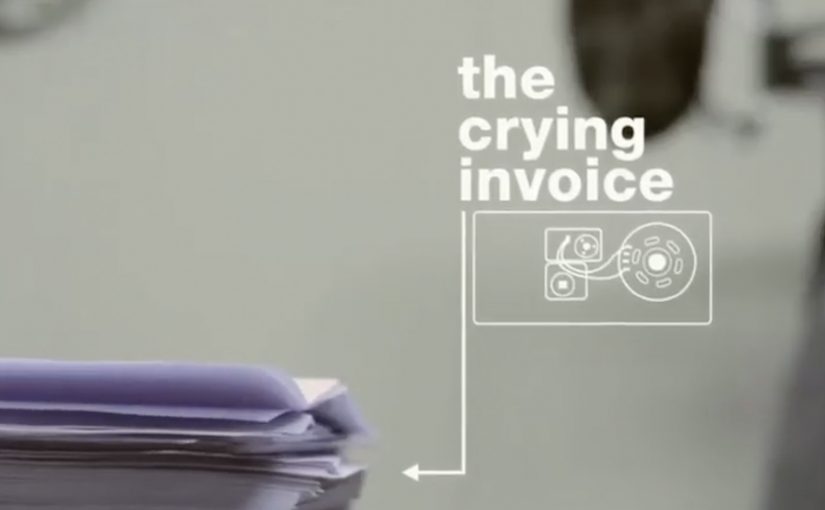
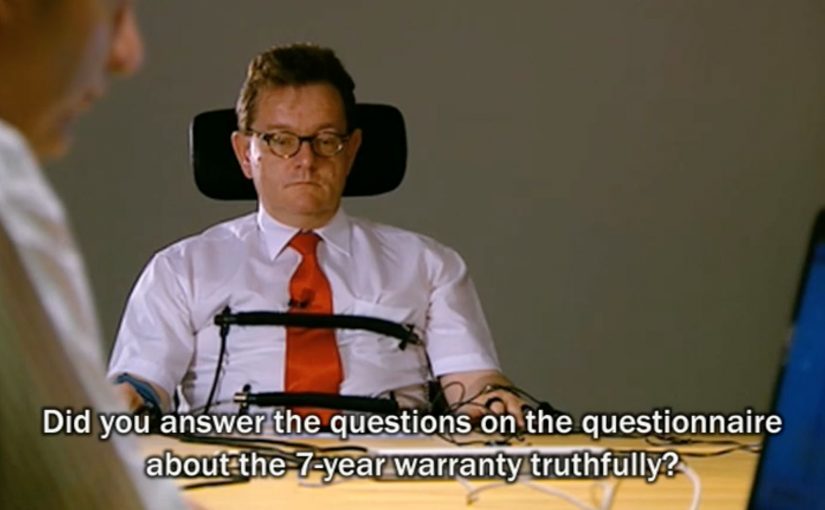
To prove the warranty was genuine, the campaign used a lie detector. Legal Connections, described as an official lie detector company, hooked up the CEO of Kia Motors to a polygraph. Consumers then asked him questions about the 7-year warranty during a live online session.
In European automotive markets, long warranties are a major purchase heuristic, and credibility becomes the real bottleneck when the claim feels “too good”.
The real question is whether the proof feels harder to fake than the doubt it is meant to kill.
Why the proof lands and spreads
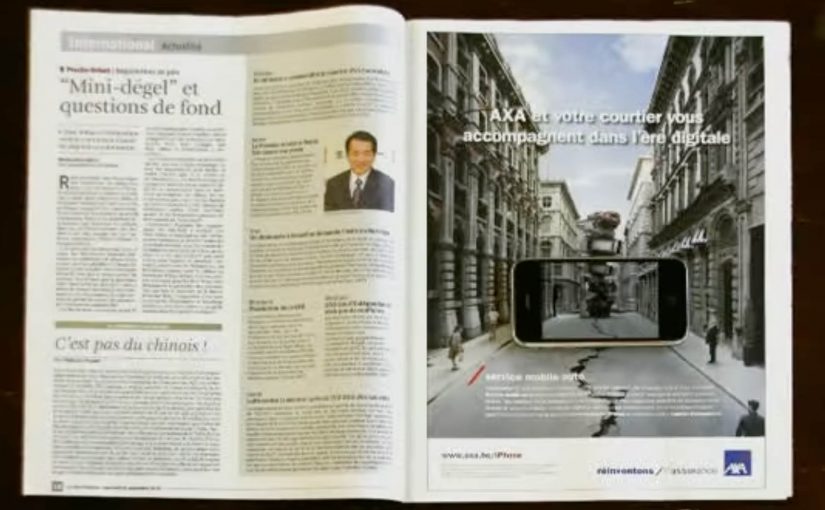
The lie detector was not the whole campaign. It was the anchor. The stunt was communicated through newspaper ads, banners and a press release announcing that an actual CEO would undergo a live lie detector test. That structure is what turns a proof moment into earned media and word of mouth, meaning peer-to-peer sharing both online and offline. Because a polygraph is a culturally understood symbol of truth-testing, it reframed the warranty from “marketing claim” into “something we are willing to be challenged on, live”.
Extractable takeaway: When your promise is extraordinary, use a proof ritual. A proof ritual is a public, simple demonstration that invites challenge and feels hard to fake.
Recognition and reported impact
The work later picked up Cannes Lions recognition, listed as a Direct Bronze Lion for “Lie Detector”.
The campaign’s impact was reported via independent media company Scripta as:
- Brand recognition: 42% (instead of 32% sector average)
- Attribution: 73% (instead of 62% sector average)
- Resulting in an Effectiveness Rating of 31% (instead of 20% sector average)
- And last but not least: An impressive credibility of 80%
Steal this proof pattern for credibility gaps
A credibility gap claim is a promise people want to believe but suspect has a catch.
- Identify the credibility gap early. If the promise sounds implausible, spend on proof, not frequency.
- Choose a proof mechanic people already understand. Polygraph. Lab test. Public demo. Anything that signals “hard to fake”.
- Make the proof interactive. Live questions beat scripted endorsements when trust is the objective.
- Package the moment for pickup. Announce it like an event, so press and blogs have a clean story to carry.
A few fast answers before you act
What problem does the Kia lie detector idea solve?
It solves a credibility problem. When a benefit sounds too good to be true, people assume a hidden condition. The campaign is designed to remove that doubt by staging proof in public.
Why use a lie detector in advertising?
A polygraph is a widely understood truth ritual. Even if people do not treat it as perfect science, it signals confidence and willingness to be challenged in front of an audience.
What makes this more than a stunt?
The stunt is structured as a live, interactive Q&A, and it is distributed through paid announcements and PR. That combination turns a single moment into a story that can travel.
When should brands avoid “proof theatre” like this?
Proof theatre is staged proof that looks convincing but does not materially verify the claim. If the claim cannot withstand scrutiny, or if the proof method is likely to be seen as misleading or unsafe, the stunt will backfire. Proof mechanics only work when the underlying promise is clean.
What are better success metrics than views for credibility campaigns?
Measure belief and consideration shifts. Brand trust, message credibility, attribution to the correct benefit, and downstream intent signals are usually more meaningful than raw reach.