
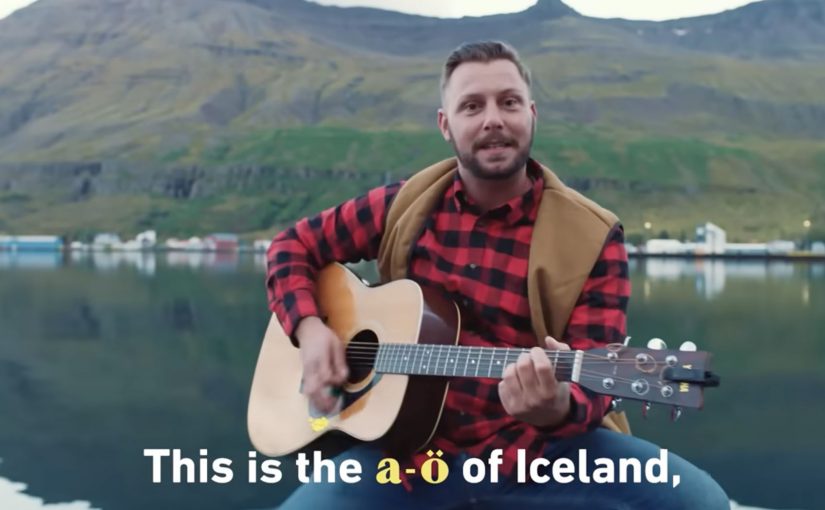
The hardest karaoke song in the world

Iceland launches a tourism campaign that turns its “notoriously difficult-to-learn” language into a challenge you can sing. The hook is a catchy karaoke track called “The A-Ö of Iceland”, designed to help tourists get to grips with Icelandic by working through the 32 letters of the Icelandic alphabet and pairing them with common words and phrases.

Performed by Icelandic comedian Steindi Jr, the song leans into the joy of trying. It plays with the difference between a torfbær (turf house) and a bílaleigubíll (hire car). It also makes you remember to pack your sundskýla (trunks) for the sundlaugar (swimming pool).

The Iceland tourist board then releases a companion video showing tourists attempting to sing along. The result is exactly what the campaign promises. A playful struggle that makes the language feel less intimidating and the destination feel more human.

The real question is how you turn a language barrier into something people want to try, loudly, in public.

Why this works as tourism marketing

Language is often positioned as a barrier. This flips it into a shared experience. You do not need perfect pronunciation to participate. You just need curiosity and a willingness to try.

Extractable takeaway: When you turn “difficulty” into a shared game, you lower the psychological stakes and make participation feel safe, which makes the destination more memorable.

Karaoke is the format. Participation is the strategy

Karaoke is not just entertainment here. It is a behaviour pattern people already understand. Follow the lyrics. Try to keep up. Laugh at yourself. Share the attempt. This is stronger than a standard “learn a few phrases” explainer because it replaces instruction with participation.

That makes the campaign naturally distributable. Here, “distributable” means the audience can repeat the format themselves, not just watch it once. Because karaoke bakes in imperfect attempts, it normalizes mispronunciation and lowers the intimidation factor, which is why the content travels.

In destination marketing, especially where visitors expect language friction, turning that friction into a low-stakes performance is a reliable way to increase participation.

The pattern to steal

If you want to make a cultural “friction point” feel inviting, the structure is replicable:

  • Choose a real friction point. Pick one authentic challenge the audience expects.
  • Package it as a game. Turn it into a lightweight challenge with a clear beginning and end.
  • Let attempts be the proof. Let the audience generate the proof of participation through their attempts, not through brand claims.

A few fast answers before you act

What is “The A-Ö of Iceland”?

A tourism karaoke song that walks through the 32 letters of the Icelandic alphabet and teaches common words and phrases.

Who performs the song?

Icelandic comedian Steindi Jr.

What is the campaign asking tourists to do?

Try to sing along and, in the process, get more comfortable with Icelandic.

Why include a companion video of tourists trying?

It shows that participation is the point and invites viewers to imagine themselves attempting the song.

What is the core marketing idea?

Turn language difficulty into an enjoyable participation challenge so the destination feels accessible, memorable, and shareable.
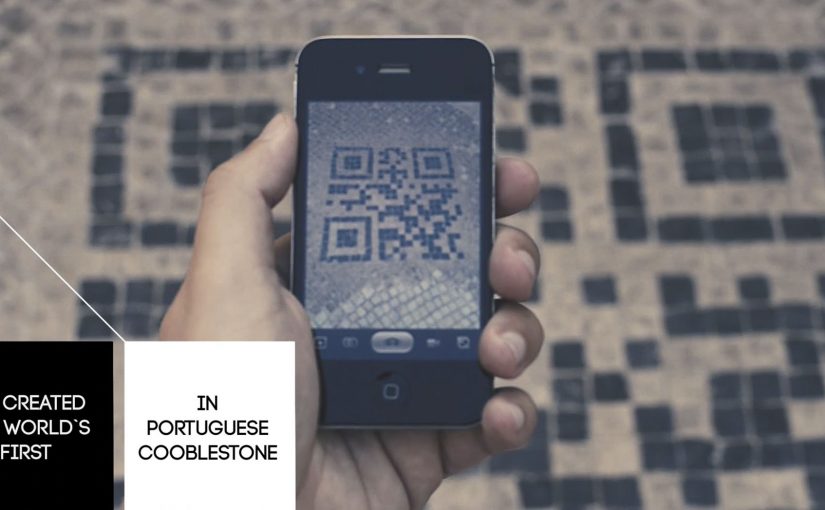
Turismo de Portugal: Cobblestone QR Codes

To get into the minds of tourists, Turismo de Portugal decides to fuse QR code technology with Portugal’s historical cobblestone tradition. The result is described as the first QR code made from Portuguese cobblestones.

The first QR code is embedded into the city ground in Lisbon, followed by an installation in Barcelona. Reported write-ups describe the campaign as successful enough to spark plans for similar cobblestone QR codes in other cities such as Berlin, Paris, Tokyo, New York, Vienna, Goa, Lima, and Oslo.

When street craft becomes the interface

The mechanism is simple. A familiar tourist behavior, looking down at the street and looking for cues, is turned into a scan trigger. The QR code is physically “native” to the place because it is built using the same black-and-white stone patterns people already associate with Portuguese streets, especially in historic areas like Chiado.

In destination marketing and city tourism promotion, bridging physical street culture to mobile content is a reliable way to convert foot traffic into deeper engagement. Destination brands should treat the street as the interface, not just the backdrop.

In European destination marketing, the most scalable activations turn street-level cues into a clear mobile doorway.

Why this lands with visitors

It does two jobs at once. It signals “authentic Lisbon” through material and craft, and it gives the tourist an immediate next step through their phone. The real question is how you turn a place’s own cues into a frictionless next step without making it feel like advertising. Unlike a poster or a billboard, the code is part of the ground people are already walking on, so discovery feels like finding something, not being targeted.

Extractable takeaway: If you want mobile interaction in public space, embed the call-to-action into something the place already owns. Local texture first, technology second. The scan should feel inevitable, not imported.

What to steal for your own place-based activations

  • Make the trigger belong to the environment. Use local materials, patterns, or rituals so the interaction feels contextual.
  • Design for tourist attention spans. The best street interactions reward a 5-second decision, not a long explanation.
  • Use “discovery” as the media buy. When people feel they found it, they are more likely to scan, share, and talk about it.
  • Plan for maintenance and legibility. Outdoor codes live or die based on wear, lighting, contrast, and camera-readability.

A few fast answers before you act

What is the Cobblestone QR idea in one sentence?

A QR code built into the street using Portuguese cobblestones, so tourists can scan a piece of the city itself to access content.

Why does making a QR code “physical” matter?

Because it turns a generic tech behavior into a place-specific experience. The scan feels like interacting with Lisbon, not with a random sign.

What makes this different from putting a QR code on a poster?

Placement and meaning. A poster is rented space. A street pattern is owned space. The medium carries authenticity before the message even loads.

What should the QR code open to?

A fast-loading mobile page that confirms you are in the right place and offers one clear next step. If the page feels generic or slow, the “found it” magic disappears.

What is the biggest execution risk?

If the code is hard to scan or the content behind it is weak, the novelty collapses. The physical build earns attention. The mobile experience must repay it.