
BGH: Big Nose Discount

BGH: Big Nose Discount

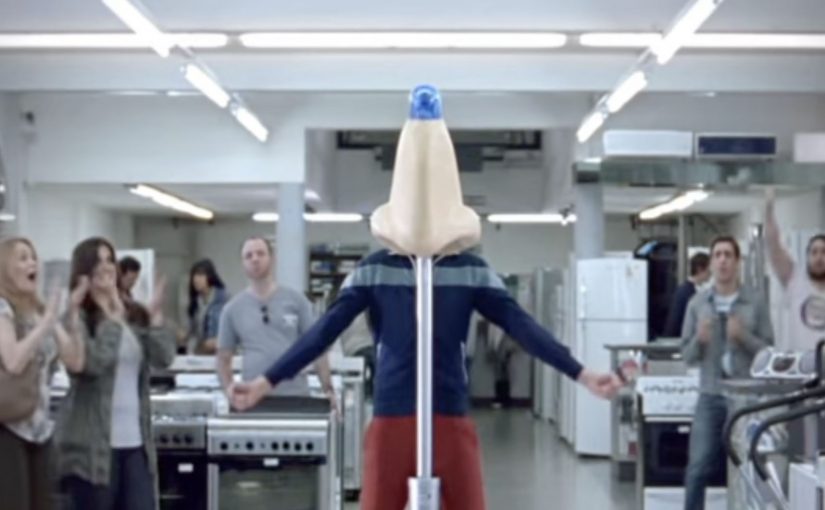
BGH Air Conditioners in Argentina wanted to promote their new line of silent air conditioners. So agency Del Campo Nazca Saatchi & Saatchi came up with a whacky integrated campaign called “Big Nose”.

Together they created the Nose-O-Meter, an in-store device capable of measuring noses. If your nose was big enough to touch the sensor, an alarm would go off and you could win a 25 percent discount.

How the Nose-O-Meter mechanic works

The mechanism is a simple, physical test that turns a product message into a game. Try your luck in-store. Hit the sensor with your nose. Trigger the alarm. Unlock the discount. Online, visitors could upload a profile picture to see if their nose might qualify, and the site pointed shoppers to the nearest Nose-O-Meter location.

That works because a visible pass-or-fail moment makes the product story easy to grasp, repeat, and film in seconds.

In Latin American appliance retail, in-store stunts that turn a functional claim into a public, repeatable challenge can generate attention without needing heavy media spend.

Why it lands

It uses an instantly readable visual proxy. A “silent” product is hard to demonstrate in a store, but a loud alarm creates a memorable contrast that people talk about. The absurdity lowers the barrier to participation, and the discount gives a clear reason to play rather than just watch.

Extractable takeaway: When your benefit is hard to demo, build a playful proxy people can physically perform. Then attach a real reward so the joke converts into action.

What the campaign is really trying to do

The real question is whether a silly retail mechanic can make a hard-to-demonstrate product benefit talkable enough to drive store traffic and sales.

This is awareness plus retail movement. The Nose-O-Meter creates footfall and talk value. The online upload tool extends reach, adds a low-friction entry point, and helps direct people into stores where the discount can close the sale.

Retail activation cues worth borrowing

  • Turn the claim into a test. A measurable moment is easier to film, share, and repeat.
  • Design for spectators as well as players. Public stunts work when watching is entertaining and playing is simple.
  • Use a two-step funnel. Lightweight online interaction that drives to a physical conversion point.
  • Make the reward meaningful. A real discount keeps the activation from feeling like a pure gimmick.

A few fast answers before you act

What is Big Nose in one sentence?

An integrated BGH campaign where a Nose-O-Meter measures your nose in-store, and if it hits the sensor you win a 25 percent discount.

Why include an online photo upload tool?

It lets people self-check and engage remotely, then nudges them toward the nearest in-store device where the discount is actually won.

How does this connect to “silent” air conditioners?

It avoids a technical demo and instead creates a talkable stunt that carries the brand name and offer into conversation, then relies on the discount to drive purchase consideration.

What makes this more than a pure gimmick?

The mechanic ties the joke to a concrete retail reward, so participation has a practical payoff rather than ending as a laugh with no next step.

What is the main risk with humor-led retail activations?

If the mechanic is unclear or the reward feels small, people will watch and laugh but not convert. Clarity and payoff have to be immediate.
Pause: The Human Jukebox Stunt

Pause: The Human Jukebox Stunt

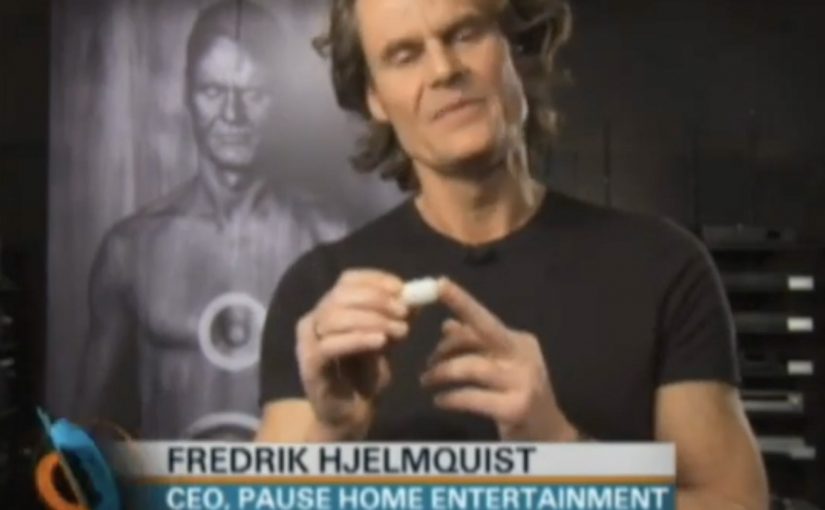
On 26 November 2010, Fredrik Hjelmquist, CEO of Pause Home Entertainment, is described as swallowing a specially made wireless sound system to transform himself into a Human Jukebox, a person whose body becomes the live playback point for the stunt.

The device is then controlled wirelessly. Anyone can trigger music “inside him” by visiting the company website and selecting a track. The stunt exists to make one claim feel literal. When it comes to custom sound systems by Pause, anything is possible.

How the Human Jukebox mechanism is staged

The mechanic is built around an extreme demo. Put the product promise into a body. Add a remote interface. Make the public the operator. The point is not technical detail. The point is a story so concrete that people can repeat it in one sentence. That works because a concrete, repeatable image is easier to remember and retell than a broad capability claim.

In consumer electronics and specialist retail, physical proof beats specification sheets when the goal is to signal “custom” and “no-limits” in a way people actually remember.

Why it lands

It makes the brand promise impossible to ignore. The act is absurd, slightly uncomfortable, and therefore sticky. It also turns a passive viewer into a participant, because the audience is invited to choose the track and trigger the result.

Extractable takeaway: If you sell “anything is possible”, show a single, outrageous proof point that compresses the promise into an unforgettable image, then give the audience a simple way to control the outcome.

What Pause is really buying

This is not about reach first. It is about credibility and talk value. The real question is whether the brand can turn “custom” from a vague service claim into a story people repeat. A custom sound systems retailer needs to feel like a destination for people who care about uniqueness, and a stunt like this functions as a shortcut to that perception.

What to steal for your own product story

  • Demo the promise, not the product. Show the meaning of the benefit in one memorable scene.
  • Make the audience the trigger. When people can activate the outcome, they feel ownership and retell it more.
  • Keep the rules simple. One action. One result. No explanation required.
  • Build a proof artifact. A single film that captures the idea cleanly is the distribution unit.

A few fast answers before you act

What is the core idea of Human Jukebox?

A stunt that turns a person into a playable sound system, controlled by the public through a simple track-selection interface.

Why does this communicate “custom sound systems” effectively?

Because it demonstrates extreme customization as a story. The audience infers capability from the proof, without needing specs.

What makes the mechanic shareable?

It is summarizable, visual, and slightly shocking. Those traits make it easy to retell and hard to forget.

Why does audience control matter here?

Because letting people choose the track makes the proof participatory, not just watchable. That increases involvement and makes the stunt easier to remember and repeat.

What is the main risk in copying this approach?

If the stunt feels unsafe or irresponsible, the brand pays for attention with trust. The proof must still feel controlled and credible.

Zoo Records: Hidden Live

Zoo Records: Hidden Live

Thousands of Hong Kong’s alternative music fans crave the raw energy, focus, passion, and participation of a live performance. Zoo Records faces a simple challenge. How do you bring that live experience directly to the fans.

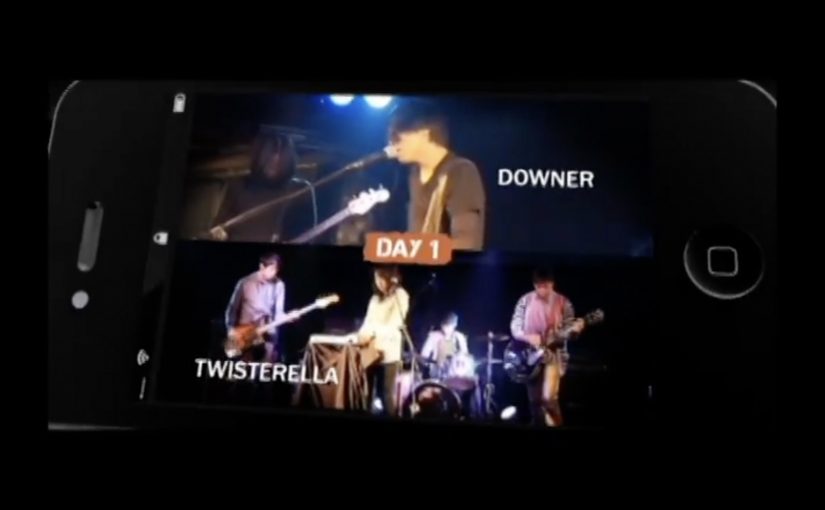
With Leo Burnett Hong Kong, Zoo Records creates “Hidden Live”, billed as a live mobile music festival. Eight indie bands perform across four nights, but the “venue” is not a stage. It is your phone. Tickets contain a hidden code. Scan it and your device becomes the gateway to the gig. Viewers can interact with bands in real time and even buy albums directly through mobile.

The mobile-ticket mechanism

The mechanic is a controlled unlock. In practice, that means entry depends on a visible code that changes the phone from passive screen to active venue. Free tickets are released shortly before each show, and the hidden code on the ticket is the key. Because the code makes entry feel earned and visible, the phone starts to behave like a venue rather than just another media player, which gives people a clearer reason to share and join. A friend’s device is not just showing a clip. It is hosting a live event.

In high-density cities where culture travels through phones first, turning personal devices into venues can scale live experiences beyond physical capacity.

Why it lands

This works because it keeps the emotional core of live music while removing the usual bottleneck. Venue size. Queue friction. Location limits. It also builds interactivity into the experience, so fans feel present rather than merely watching, and the album-buying layer makes the moment commercially useful without interrupting the performance.

Extractable takeaway: If your audience is starved of access, design an “unlock” that turns their existing device into the venue, then attach real-time interaction and a low-friction purchase path to the same moment.

What Zoo Records is really doing

The real question is how to make mobile access feel like attendance, not just distribution. The visible goal is to bring indie live energy to fans. The strategic goal is to convert participation into retail outcomes. Discovery that leads straight to purchase, while the scene still feels authentic. The campaign’s language is about “hidden” culture becoming reachable, and the mechanism makes that promise concrete.

The smart move here is making access itself part of the performance, not treating mobile as a secondary channel.

What to steal from Hidden Live

  • Make access the headline. Do not market “content”. Market the ability to enter something live.
  • Use a key people can show. Codes, tickets, and unlock moments create status and sharing.
  • Design interactivity on purpose. Real-time touchpoints turn viewing into participation.
  • Attach commerce to peak emotion. If buying is one tap while the set is live, it feels like support, not an upsell.

A few fast answers before you act

What is “Hidden Live”?

A Zoo Records campaign where live indie performances are unlocked via mobile by scanning a code on a ticket, turning phones into the concert venue.

Why use ticket codes for a mobile experience?

Codes create scarcity and a ritual. They also provide a simple, visible unlock moment that fans can share and explain quickly.

What makes it feel like a festival rather than a stream?

Scheduled live sets across multiple nights, real-time interaction with bands, and a shared participation loop around access and attendance.

How does the campaign connect to sales?

By letting fans buy the performing bands’ albums directly through mobile while the performance is live.

When is this pattern most useful?

When demand exceeds physical capacity, when fans already behave mobile-first, and when you can make access feel exclusive without making it complicated.