
Heineken Italy Activation

Heineken Italy Activation

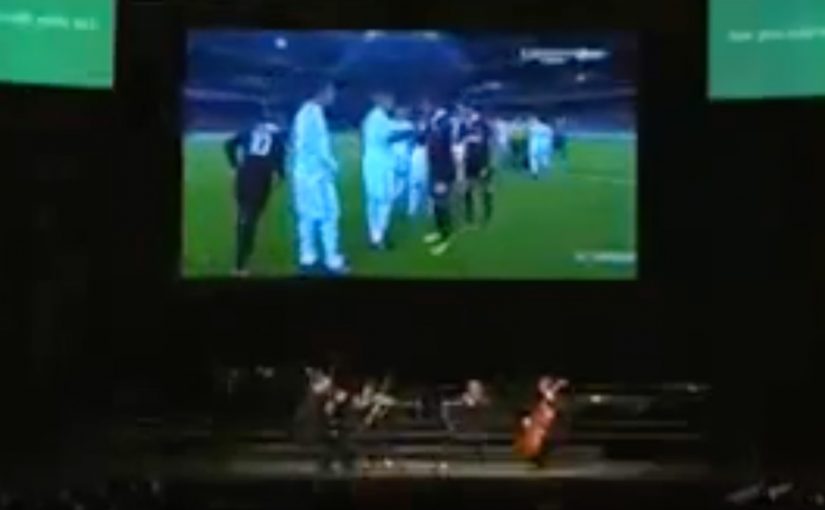
One of the most sacred moments for a lot of guys is watching football with friends. But as time goes by, that moment is increasingly at risk. So Heineken, with the help of ad agency JWT Italy, decided to remind their audience of what is at stake, right on the evening of a UEFA Champions League match: Real Madrid vs AC Milan.

A prank built around a real tension

The craft here is that Heineken does not try to “own football” with another sponsor message. It stages a situation that dramatizes the threat to the ritual, then resolves it in a way that feels like a reward for fans.

How the activation works

In simple terms, this is an activation. That is an in-person experience designed to trigger conversation, participation, and earned sharing, not just impressions.

The setup plays on a familiar dynamic. Partners and friends pull football fans away from the match with an alternative plan, then the brand flips the evening by revealing the game and turning the “loss” into a surprise watch party moment.

In European football culture, match nights are one of the last reliably shared rituals. Brands that win here do it by protecting the ritual, not interrupting it.

Why it lands

This works because it is built on empathy. It starts with a truth about modern life and competing plans, then turns the brand into the friend who restores the moment. It is entertainment with a clear social payoff, not entertainment for its own sake. The real question is whether your brand can credibly protect the ritual instead of borrowing its attention.

Extractable takeaway: If you can turn a threatened shared moment into a felt relief, the brand earns a role people want to talk about, not just a logo people saw.

A useful way to phrase the mechanism is this. If you can make people feel you defended their time with their friends, they will remember you differently than a logo on a perimeter board.

Business intent: earn affinity, then earn retell

Heineken is not just chasing attention. It is buying a story that people want to retell the next day. That story carries the positioning in a way a standard spot cannot. Heineken. Made to entertain.

Steal this for ritual-protecting activations

  • Start with a threatened ritual. If the audience feels a real loss, the payoff lands harder.
  • Make the brand the rescuer, not the interrupter. The reveal should feel like relief, not a sales pitch.
  • Design for retelling. If a friend cannot explain it in 20 seconds, it will not travel.
  • Let the product stay in the background. The memory is the asset. The label is just the signature.

A few fast answers before you act

What is an “activation” in marketing terms?

An activation is a designed experience, often live or in the real world, that drives participation and sharing. Its output is conversation and earned media, not only paid reach.

Why do ritual-based activations work so well?

Because rituals are emotionally protected. If a brand can credibly defend a ritual, it earns affinity that is hard to replicate with standard advertising.

What is the core mechanism in this Heineken example?

Create a credible threat to a valued moment, then flip it into a surprise payoff where the brand is the enabler of the restored experience.

What needs to be true for a prank activation to feel positive?

The audience must feel safe and rewarded at the end. The reveal has to resolve the tension quickly, and the outcome must be better than what they expected.

How do you measure success for this kind of work?

Look for retell signals and intent signals. Retell signals are evidence people repeat the story to others. Intent signals are evidence people take a next step, like searching, visiting, or asking where to buy.
13th Street: Last Call Interactive Horror

13th Street: Last Call Interactive Horror

Last year Lacta Chocolates came up with a web-based interactive love story called Love at first site. Now Jung von Matt and Film Deluxe take the same “viewer participation” impulse into a darker genre with an interactive horror experience designed for cinemas. Here, viewer participation means the audience can influence what happens on screen instead of only reacting to it.

The movie is called Last Call by 13th Street, and it is billed as the first interactive horror movie in the world.

How the film turns a screening into a live conversation

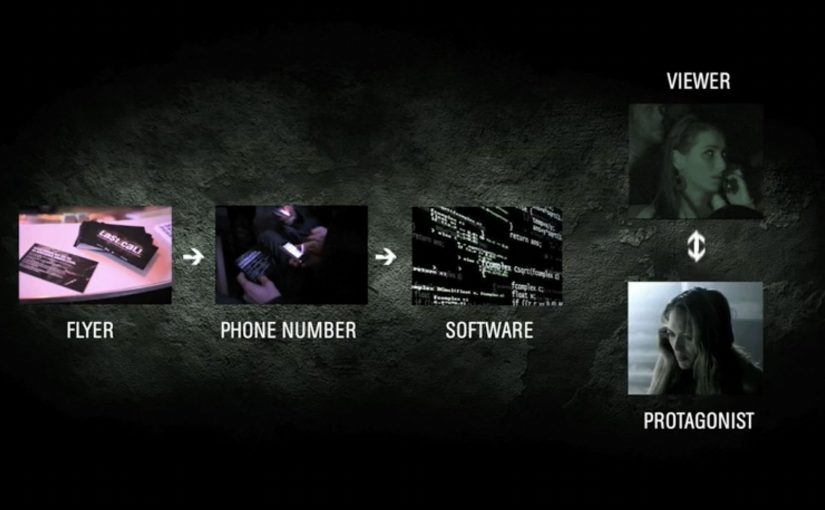
The core mechanic is simple and high-stakes. The audience can communicate with the protagonist through specially developed speech recognition that turns one participant’s answers, delivered via mobile phone, into on-screen instructions.

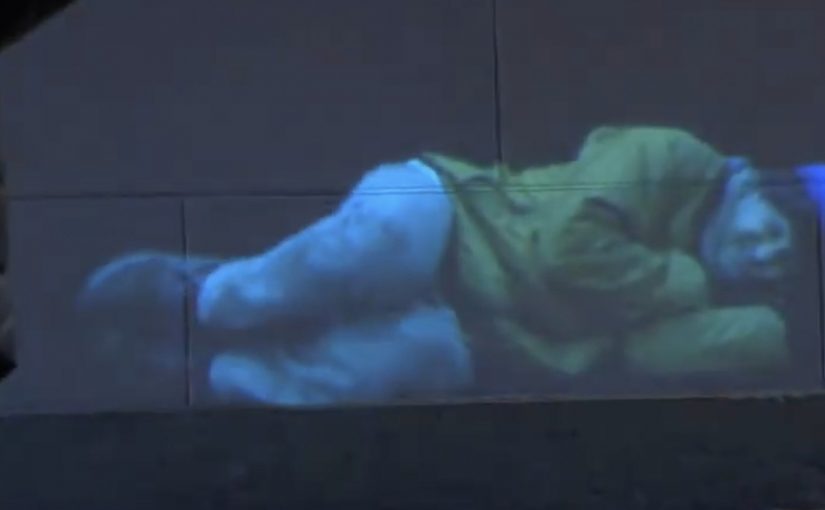
Instead of passively watching a character make bad decisions, one viewer gets pulled into the story and has to direct what happens next, under pressure, in front of a room full of people.

In European entertainment marketing, the strongest channel ideas are the ones that turn passive viewing into a shared physical experience.

Why it lands: it converts fear into responsibility

Horror is already interactive in your head. You are constantly thinking “don’t go in there” or “run”. Last Call makes that internal commentary explicit, then gives the viewer control at exactly the moment when tension is highest. That works because it turns private fear into public responsibility, which intensifies tension instead of interrupting it.

Extractable takeaway: If you want interactivity to feel meaningful, make the choice time-critical and socially visible. When a whole room watches one person decide, even simple branching choices feel heavier.

The intent: make a channel brand feel like an event

This is not interactivity for its own sake. It is a positioning play. The real question is whether the interaction makes 13th Street feel like the only place this kind of horror experience could happen.

The phone call is the hook, but the real product is the shared story people retell afterwards: “someone in our screening got the call”.

What to steal for your own interactive storytelling

  • Choose one decisive moment: interactivity works best when it happens at a peak, not throughout.
  • Keep the command vocabulary tight: yes or no, left or right, stay or flee. Clarity beats cleverness.
  • Make the interaction legible to spectators: the audience should understand what the caller chose without needing explanation.
  • Design for group emotion: the collective tension and reaction is part of the value.
  • Build the “retellable” sentence: “the character called an audience member” is stronger than any tagline.

A few fast answers before you act

What makes Last Call “interactive”?

A participant receives a mobile phone call and speaks choices that are translated via speech recognition into commands, which trigger different follow-up scenes.

Why use a phone call instead of a web interface?

A phone call feels personal and urgent, which matches horror. It also keeps the participant’s hands free and the interaction fast enough for a live screening.

Is this a real branching film or a gimmick?

It works like a branching structure with pre-produced scenes, selected based on a small set of recognized commands. The novelty is the live calling mechanic in a cinema context.

What is the biggest risk when copying this format?

Latency and ambiguity. If recognition is slow or choices are unclear, tension collapses. The interaction has to feel instantaneous and unmissable.

What is the transferable principle beyond horror?

Put the audience in a single, decisive role at a high-emotion peak. One clear decision, delivered fast, can create a stronger memory than many shallow interactions.