Small World Machines. India and Pakistan meet through a Coke
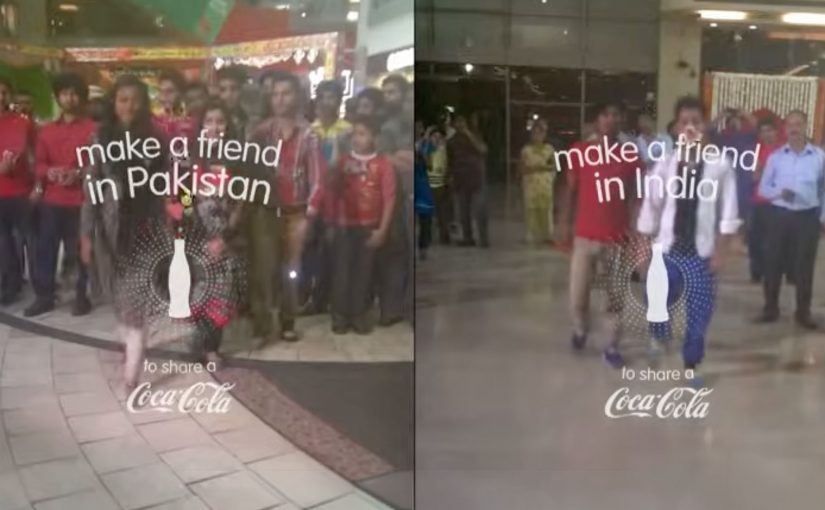
Over the years Coca-Cola keeps experimenting with vending machines and tries to make them much more than the average soda-spitter-outer. It places two machines, one in India and the other in Pakistan, and turns them into a communication portal. These “Small World Machines” allow citizens from both countries to interact with each other and complete shared tasks. Here, “shared tasks” means actions designed to be completed together, not alone. The machines reward them with a Coke. The results…
Fair Play Machines. Inter and Milan fans can only give to rivals
The success of that has inspired Coca-Cola to once again bring fighting parties together. Now instead of bringing together nations at odds, it has tapped into the rivalry between Italian soccer teams Inter and Milan.
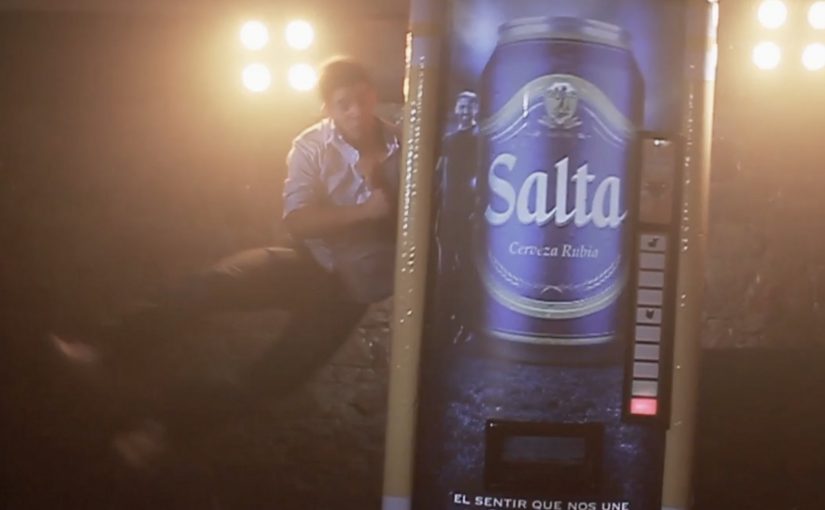
To ease the aggression between the fans, Coca-Cola installed their “Fair Play Machines” on opposite sides of Milan’s San Siro stadium as the teams faced off. Pressing the button of one machine dropped a Coke can down the chute of that on the side of the rival team. So this way rivals could only receive Cokes from each other. The results…
The real question is whether you can design an interaction where the easiest way to get your reward is to give something to the other side first.
In global consumer brands, especially when audiences are polarized, experience rules travel further than slogans.
What this teaches about “peace” as a design problem
The strongest move is not messaging. It is creating a constraint that makes cooperation the easiest path to a reward. A constraint is a built-in rule of the experience that limits options so the intended behaviour becomes the easiest one. This works because the reward is gated behind a cooperative act, so the social friction becomes part of the game instead of a barrier. When a machine encodes that rule, behaviour shifts without anyone needing to preach.
Extractable takeaway: If you want two sides to act differently, stop asking for goodwill. Change the rules of the interaction so the smallest “yes” becomes the default move.
Design moves you can borrow from Peace Machines
- Gate the reward behind a give-first action. Make the path to getting something run through giving something to the other side.
- Keep the rule legible in one glance. If people need an explanation, the moment is gone.
- Turn tension into a shared task. Use a simple co-action that feels like play, not reconciliation.
A few fast answers before you act
What are Coca-Cola “Peace Machines” in this context?
They are vending machine concepts that turn a simple Coke transaction into a social interaction, designed to reduce tension between rival groups.
What is the core mechanic of the Fair Play Machines?
Pressing the button on one machine sends a Coke to the machine on the rival side. Rivals can only receive Cokes from each other.
How do Small World Machines relate to this?
They use the same principle. A machine becomes a bridge, enabling people in opposing contexts to interact and complete shared tasks that lead to a reward.
What does “constraint” mean in experience design?
It is a built-in rule that limits options so the intended behaviour is the easiest one to choose.
What is the main design lesson for brands?
If you want behaviour change, build the rule into the experience. Make the cooperative action the trigger for the reward, and keep it simple enough to understand instantly.