The Ford Vending Machine

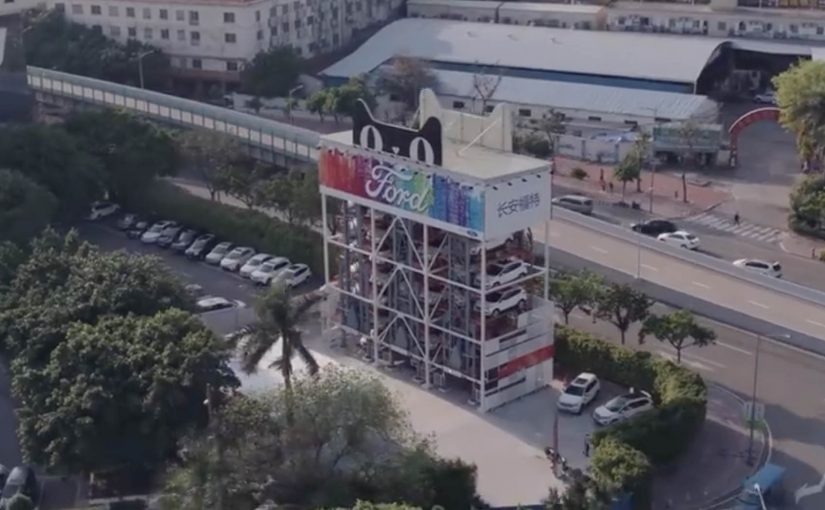
A glass “vending machine” in Guangzhou holds 42 cars. You choose a Ford model, pay a deposit in the Tmall app, schedule pickup, snap a selfie, and the machine recognises you when you arrive. Then it releases the car for a three-day test drive.

How the car vending machine flow works

Alibaba and Ford build this as a Super Test Drive Center. It turns the usual dealership steps into a clean sequence. Select the car model. Put down the deposit electronically via the Tmall app. Book a pickup slot. Use a selfie as identity confirmation at the moment of collection.

Why this matters for test drives and conversion

The innovation is not the building. It is the removal of friction around intent. People often want a test drive without sales pressure, paperwork ping-pong, or scheduling loops. This format makes “try before you buy” feel as immediate as e-commerce, while keeping the product physical and premium.

What the selfie step signals

The selfie is a simple trust layer. It connects the digital reservation to the physical handover. It also reinforces the theatre of the experience. You do not just pick up a car. You unlock it.


A few fast answers before you act

What is a car vending machine?

It is a vertical, automated car storage and handover system that lets customers reserve and collect a vehicle via a digital flow, instead of a traditional showroom process.

How does the three-day test drive booking work in this concept?

You select a model, place a deposit electronically in the Tmall app, schedule a pickup time, and then collect the car for a three-day test drive at the vending machine site.

Why use a selfie for pickup?

It provides a lightweight identity confirmation step that ties the digital booking to the physical release, without adding visible friction for the customer.

What should brands measure if they copy this pattern?

Test-drive completion rate, conversion rate after the test period, time from reservation to pickup, repeat bookings, and the share of customers who choose this flow over a dealership visit.

The intelligent car from Mercedes-Benz

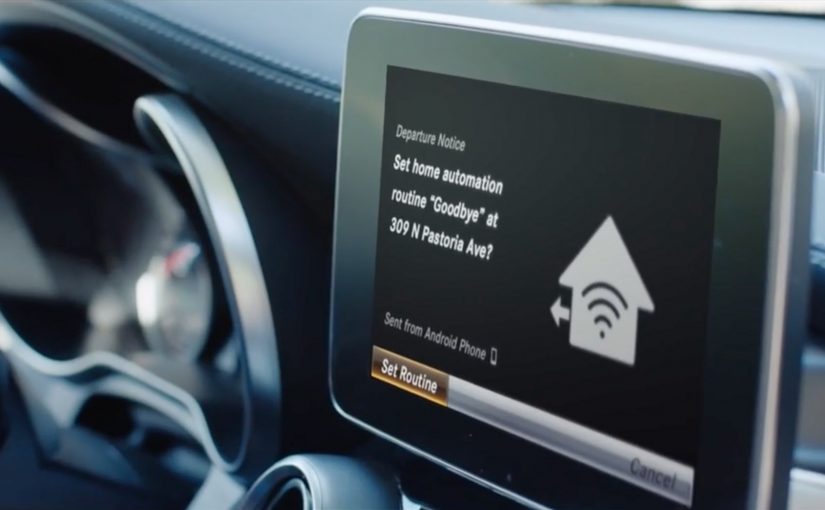
Mercedes-Benz announces that its 2016 and 2017 vehicles in the US can connect with Amazon Echo and Google Home. With that integration in place, owners can remotely start or lock their vehicle, and they can send an address from home straight into the car’s in-car navigation.

What makes this interesting is not the novelty of voice commands. It is the direction. The car starts behaving like a node in a wider home automation ecosystem, not a standalone product you only interact with once you sit behind the wheel. You speak to your assistant at home. The car responds. The boundary between “home experience” and “driving experience” gets thinner.

The ecosystem move, not a feature add-on

A single capability like “remote start” is useful. But the strategic move is building an intelligent ecosystem around the car, using third-party voice assistants people already trust and use daily. That lowers adoption friction and accelerates habit formation. If a driver already uses Alexa or Google Home for routines, adding the car becomes a natural extension.

This also shifts expectations. Once the car is connected into the household’s digital layer, people start wanting context-aware flows. For example, planning and sending destinations before leaving. Or basic vehicle actions triggered as part of an existing routine.

Mercedes is not alone in spotting the pattern

Mercedes-Benz is not the first automaker to recognise the potential of third-party voice assistants. At CES earlier this year, Ford unveiled plans to roll out Alexa-equipped vehicles. Around the same time, Hyundai announced a partnership with Google to add voice control through Google Home.

The competitive question becomes simple. Who turns the car into a meaningful part of the customer’s everyday digital routines first, and who reduces the connected car to a checklist feature.


A few fast answers before you act

What does Mercedes-Benz enable through Alexa and Google Home?

Remote start. Remote lock. Sending addresses from home to the in-car navigation system.

Why is this bigger than “voice control in the car”?

Because it connects the car to an existing smart home ecosystem. That makes the car addressable from outside the vehicle, and it pushes the experience upstream into planning and daily routines.

What should product, CX, and marketing teams watch closely?

The ecosystem choices. The core use cases that become habitual. The trust layer, including permissioning and security for remote actions. The operational reliability, because routines only stick when they work every time.

What is the strategic takeaway in one line?

The “intelligent car” story is increasingly an ecosystem story. It is about where the car lives in the customer’s broader digital life.

Ford Escape Routes

Ford wanted to launch the new Escape in a way that would give people something they had never experienced before in branded entertainment. Billed as an industry first, Ford took the small screen to the second screen by combining TV with social media and mini-gameplay to create a prime time Social TV show called Escape Routes.

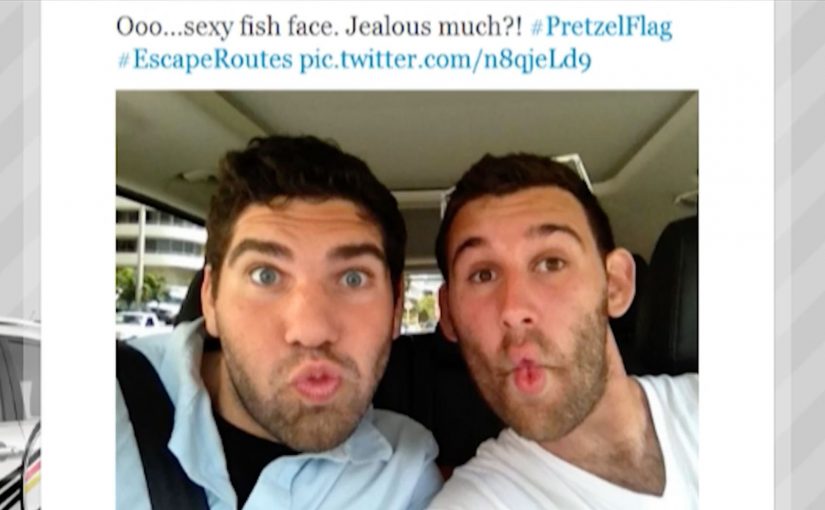
Six teams took on daredevil stunts while enlisting online fans as Virtual Teammates (VTMs), whose real-time support helped determine who crossed the finish line each week. Viewers did not just watch. They participated, recruited, chatted, and played along, with the online layer shaping outcomes and amplifying the show’s moments.

How the mechanic works

Escape Routes is structured like a competitive reality series. The TV episode delivers the narrative and the physical challenge. The second screen delivers the leverage. Fans act as VTMs and influence teams through live participation, social activity, and interactive challenges running alongside the broadcast.

The “branded” part is not only the vehicle on screen. The product story gets embedded into the stunts, the travel, and the weekly goals, so the car becomes the enabling tool inside the format, not a separate ad break.

In mass-market automotive launches, Social TV formats can convert broadcast reach into participation, and participation into measurable signals of demand.

Why it lands

It gives people viewer control without asking them to leave the entertainment. Participation is optional, but the invitation is clear and time-boxed. If you want to help your team, you can. If you want to just watch the show, you still get a complete experience.

It also creates a natural social engine. Teams are selected and rewarded for building a following, so they have an incentive to mobilize fans every week. That turns the audience into a distribution channel, not a passive rating.

What the brand is really buying

The business intent is pre-launch momentum at scale. A primetime run delivers reach. The second-screen layer delivers engagement, social lift, and a sustained reason to talk about the Escape over multiple weeks.

In Ford’s own reporting at the time, the social buzz was described as exceeding benchmarks, including a reported 1,033% increase in @FordEscape Twitter followers and a 50% increase in Facebook Likes.

Later trade coverage around awards credited Escape Routes with broader volume metrics across the run, including 7.65 million viewers, 64 million Facebook impressions, more than 65,000 Facebook Likes, and 3.4 million incremental user-generated video views, alongside the claim that it boosted share of voice in the small SUV segment with large-scale social activity.

What to steal if you want “reach plus action”

  • Design a format where the audience can matter. If participation cannot change anything, it will not sustain across weeks.
  • Make the second screen additive, not distracting. Keep actions short, timed, and tied to moments people already care about.
  • Give participants a role name. “Virtual Teammates” is a simple identity hook that makes participation feel legitimate.
  • Build weekly arcs. Multi-episode structure creates repeat engagement and compounding social momentum.

A few fast answers before you act

What is a Social TV show in marketing terms?

A Social TV show is a broadcast format that is designed to be experienced with a second screen, where social participation and interactive actions are part of the content loop, not a separate campaign layer.

What does “second screen” mean here?

It means the viewer uses a phone, tablet, or laptop while watching TV, and that device provides live interactions like voting, mini-games, chats, or challenges that are synchronized to the broadcast.

Why do “virtual teammate” mechanics work?

They turn spectators into contributors. Helping a team win creates emotional investment, repeat behavior, and social recruiting, because your participation has a clear purpose.

What is the biggest failure mode of second-screen activations?

Over-complexity. If the interaction takes too long, needs too much explanation, or competes with the main story, people drop it and the second screen becomes noise.

What metrics matter beyond views?

Registration and repeat participation per episode, share of voice during airtime windows, audience conversion into followers or opted-in communities, and any downstream indicators tied to shopping intent.