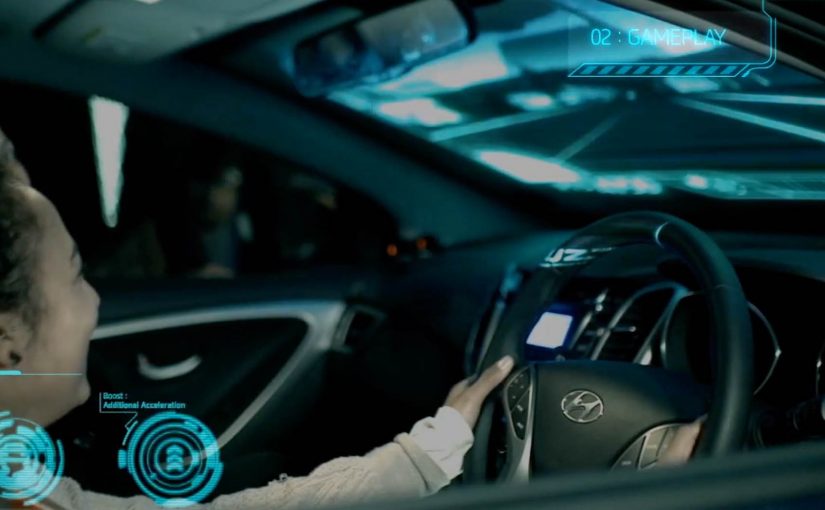
A shopper in an Oslo mall steps up to a big screen and “hails” a cab in New York City. Seconds later, they are effectively riding along in real time, steering what they see and getting a guided tour from someone inside the taxi.
Remote sightseeing as a route launch
Norwegian Airlines creates an interactive experience that lets visitors in an Oslo shopping mall control a New York City taxi in real time. A tour guide inside the cab helps participants discover New York while building awareness of Norwegian’s direct long-haul destinations from Oslo to New York, Miami, LA, San Francisco, and Bangkok.
The mechanism: viewer control, live feed, human guide
The activation is built like a two-way window. A live camera setup in the taxi transmits the streets of New York back to the mall installation, and mall visitors can influence what they are seeing while talking with the person in the cab who keeps the “tour” moving. Here, viewer control means the participant can steer the camera’s attention and request what the cab shows next. That matters because even light control makes the experience feel personal, which turns passive watching into active participation.
It is also described as an M&C Saatchi Stockholm idea with production support from Stopp, using a 360-degree style camera approach to make the feed feel explorable rather than like a fixed livestream.
In European airline marketing, real-time remote experiences can make new long-haul routes feel tangible before anyone commits to a flight.
Why this lands
This works because it turns a schedule update into a lived moment. People do not just hear “we fly direct.” They experience the destination, live, in a way that creates an instant story to tell. The red cab visual also keeps the brand present throughout the interaction without needing heavy-handed messaging.
Extractable takeaway: When you are launching access (routes, coverage, delivery zones, service areas), design a live, controllable preview that lets people feel the place or outcome, then attach the brand benefit as the enabler of that experience.
What Norwegian is really buying
The stunt earns attention like an event, but it is strategically a conversion tool. It reduces psychological distance to long-haul travel by giving people a low-friction “trial,” and it reframes the airline as a bridge between cities rather than as a price-and-seat product.
The real question is whether a route launch can make distance feel emotionally short before the first booking happens.
What to steal from Red Cab
- Turn claims into access. If your promise is reach, let people sample the reach.
- Use a human guide. A live host makes the experience coherent, warm, and watchable.
- Design for the crowd. Make the installation entertaining for bystanders, not just the participant.
- Make the brand a prop. The red cab functions as an always-on brand cue without interrupting the experience.
A few fast answers before you act
What is Norwegian Red Cab?
It is a mall-based interactive installation where people in Oslo can explore New York City through a live taxi connection, with a guide inside the cab.
What does “control the taxi” mean here?
It refers to viewer control over the live viewing experience, such as directing the camera perspective and interacting with the person in the cab, rather than physically driving the vehicle.
Why is real-time important to the idea?
Because “live” removes doubt. It makes the destination feel present, which strengthens the message that direct long-haul routes bring far-away places closer.
What makes this more than a livestream?
The combination of viewer control and a human tour guide turns passive watching into an experience people can participate in and retell.
What’s the main operational risk with this pattern?
Reliability. If latency, audio, or camera control fails, the magic breaks quickly, so technical robustness matters as much as the creative concept.