Last year in August I had written about how Ushuaïa Beach Hotel in Ibiza had become the world’s first hotel to use RFID-enabled wristbands to engage with its guests. Then in June 2012 they rolled out a biometric payment system that pushed the boundaries of cardless payments.
Guests who wished to use the new PayTouch system, a fingerprint-based payment setup linked to a registered credit card, were required to register their credit card details along with their biometric data of their right index and middle fingers with the hotel. After that, payments at all facilities at the destination were done by simply pressing the guest’s fingers against a fingerprint recognition device.
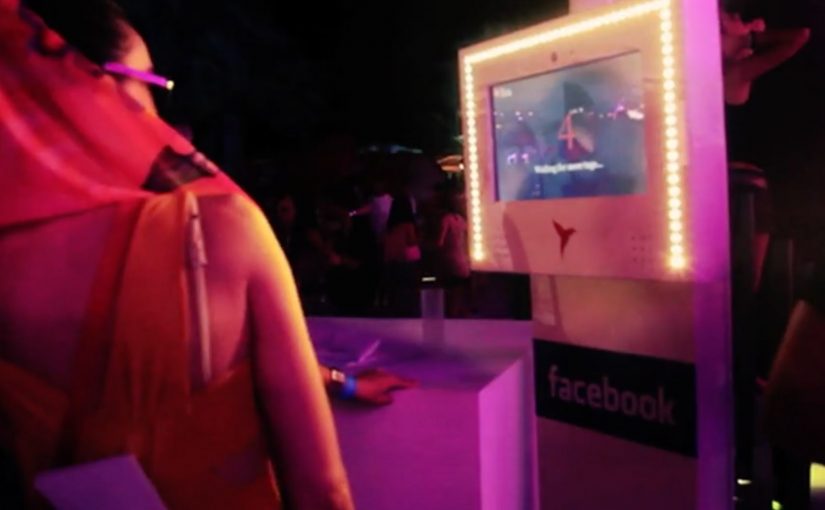
Now for 2013 the hotel is gearing up to replace its 2011 RFID-enabled wristbands with the above touch technology. Special touch screens are going to be installed around the hotel that provide guests access to their Facebook profiles by simply placing their fingers on a biometric sensor. However the updates on Facebook will be limited to a selection of automated actions like taking a photo, updating their current location and liking the hotel’s ongoing event.
In hospitality environments where guests move quickly and often, biometrics are attractive because they compress payment, access, and sharing into one repeatable gesture.
Ushuaïa Beach Hotel is truly setting an example for others in the hospitality industry by using technology to improve customer experience and spreading the word about their hotel.
Why this move is interesting
The value is not the sensor. It is the way a single biometric gesture can authenticate you repeatedly across payment and social touchpoints. Because the same biometric gesture can authenticate you repeatedly, paying and sharing become faster than switching cards, apps, and logins. The real question is whether guests experience this as convenience or as creepiness.
Extractable takeaway: If you connect identity to customer actions, keep the action set small, high-frequency, and reversible.
- It removes friction in two high-frequency moments. Paying and sharing become quick, repeatable actions.
- It turns identity into a service layer. Your fingerprint becomes the “key” across facilities and social touchpoints.
- It keeps social posting controlled. Limiting updates to predefined actions reduces risk while still enabling sharing.
Guardrails to steal for biometric social
Biometric sharing should be strictly opt-in, narrowly scoped, and easy to switch off.
- Make consent unmistakable. Explain what is collected, what it enables, and what happens when someone opts out.
- Keep actions bounded. Predefined posts are safer than free-form posting when identity and social are connected.
- Provide a simple off switch. Guests should be able to stop using the system instantly without losing access to the experience.
A few fast answers before you act
What is PayTouch at Ushuaïa Beach Hotel?
It is a biometric payment system where guests register a credit card and fingerprints, then pay on-site by pressing fingers against a recognition device.
How was the hotel planning to use fingerprints for Facebook in 2013?
By installing touch screens that let guests access their Facebook profiles via a biometric sensor and post only predefined actions such as photos, location updates, and likes.
Why replace RFID wristbands with fingerprint touch?
Fingerprint touch reduces the need to carry or manage a wearable token, and it can unify access and payments across the destination.
What is the main risk with this type of experience?
Trust and consent. The system needs transparent opt-in, clear limits on what gets posted, and an obvious way to disable participation.
What should a similar system include from day one?
Clear opt-in, tight limits on allowed actions, simple account disablement, and a straightforward way to stop using biometric identification without friction.