A vending machine that asked you to choose who you are
The strongest holiday ideas turn seasonal sentiment into a simple action people can take in public. Coca-Cola’s holiday vending machine is a clean example of that move.
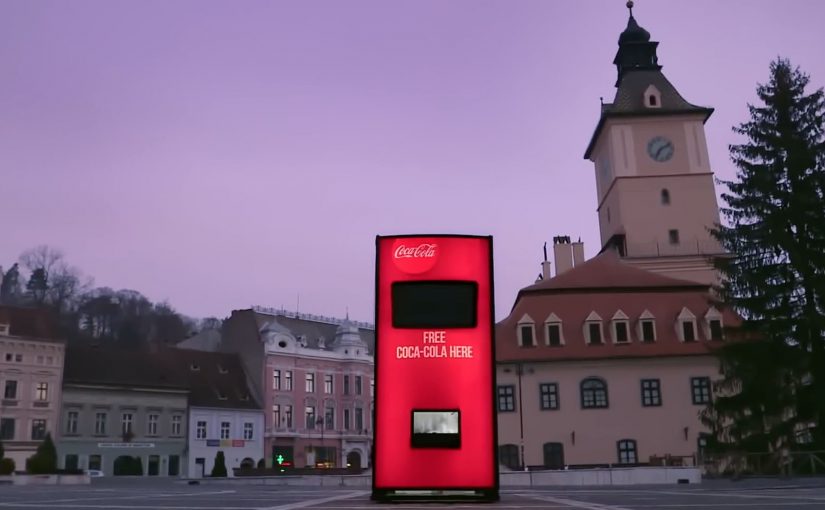
Coca-Cola wanted to bring out the Santa in everyone. So for the 2013 holiday season, they created a special vending machine that prompted users to either get a free Coke or give a free Coke.
The two-button mechanic that made sharing the story
If the user chose a free Coke, the machine quickly dispensed the drink for the user to enjoy.
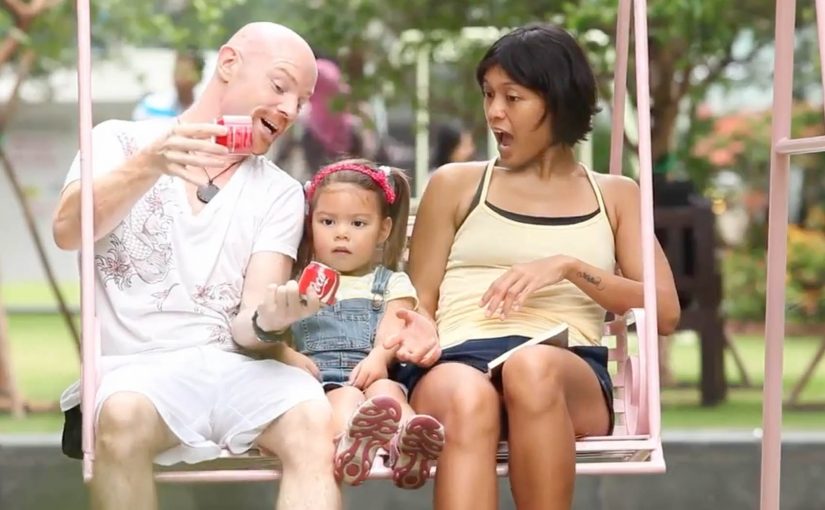
However, if the user decided to share, then the machine did something a little more special. Watch the video below to find out.
In high-traffic FMCG retail settings, a binary choice lets a brand value show up as behavior in seconds.
Why “give” feels better than “get” in December
The psychology here is straightforward. A free product is nice, but it is forgettable. A choice that reflects identity is sticky.
Extractable takeaway: If you want a value like generosity to travel, put it into a visible choice where the “better self” option is easy to pick and easy to witness.
By putting “give” and “get” side by side, the machine turns a small decision into a moment of self-image and social proof, meaning other people can see the choice and validate it. During the holidays, people want to see themselves as generous, and they want to be seen that way by others.
The business intent behind bringing out the Santa
The intent is not simply distribution.
The real question is whether your brand promise can be expressed as a choice people are proud to make in public.
This is a stronger holiday move than a message-only campaign because it makes the value legible and repeatable at the point of interaction.
Coca-Cola uses the vending machine to translate a brand promise into behavior. The brand is associated with warmth and sharing because the consumer enacts it, not because the brand claims it.
How to reuse this give-or-get choice design
- Turn values into a choice. Make the brand idea something people can do, not just hear.
- Reward the “better” behavior. If sharing is the story, make sharing the more memorable path.
- Keep the interaction instantly legible. Two clear options beat complex instructions in public spaces.
- Design for a public moment. When others can witness the decision, the story travels faster.
A few fast answers before you act
What did Coca-Cola build for the 2013 holiday season?
A special vending machine that offered users a choice: take a free Coke or give a free Coke.
What was the core mechanism?
A simple two-option prompt. Choosing “get” dispensed a Coke immediately. Choosing “give” triggered a more special outcome.
Why does the “give” option matter so much?
Because it turns a freebie into an identity moment. People remember what they chose, and others can witness it.
What business goal did this support?
Making Coca-Cola’s holiday positioning feel real by linking the brand to a visible act of sharing, not just a message about sharing.
What is the main takeaway for brands?
If you want to own a value like generosity, design an interaction where people can demonstrate that value in the moment.