
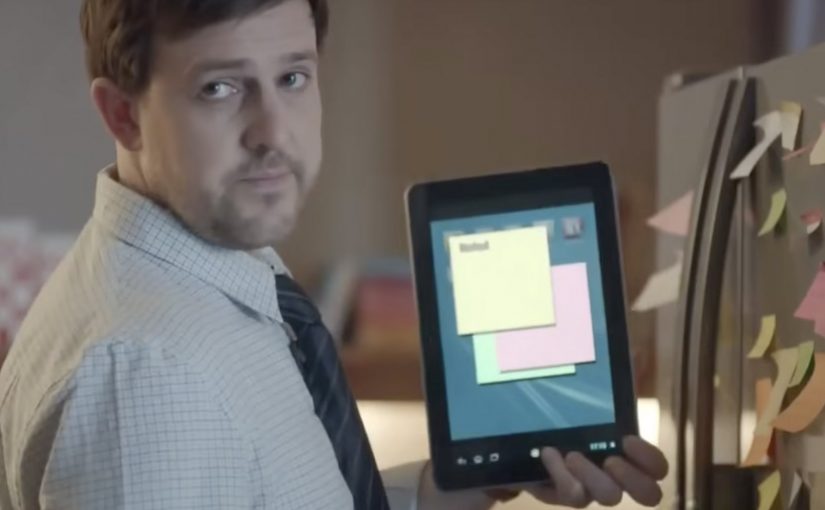
Le Trèfle: Emma

Here is a TV ad from Le Trèfle, a premium toilet paper brand in France. It plays on a very current household dynamic. The person who wants to replace everything with a tablet meets the one thing a screen cannot substitute when you are behind a closed door.

A modern life joke with a very old punchline

The mechanism is classic comedy timing. A husband repeatedly patronises Emma for using “paper” instead of his beloved tablet. Then the film corners him in the one place where being digital-first does not help. Here, digital-first means treating the tablet as the default answer to everyday tasks. The solution arrives under the door, framed like a tech assist, but it is really a reminder that toilet paper remains non-negotiable.

In European FMCG advertising, bathroom and hygiene categories often rely on humour to make low-involvement products feel culturally present rather than purely functional.

Why it lands

The spot works because it does not argue about softness or absorbency. It argues about relevance. It turns a generic category into a shared, domestic truth, and it does it without cruelty. Emma is not a punchline. She is the steady adult in the room, and the brand becomes her quiet win. The real question is whether a low-interest household product can prove its necessity in a culture that keeps mistaking newer for better. This is stronger brand work than a feature-led hygiene ad because it makes that necessity visible in one clean scene.

Extractable takeaway: If your product is a “must-have” with little perceived differentiation, stop over-explaining features. Build a single scene that proves the product’s place in modern life, and let the audience supply the conclusion.

What the craft communicates

The execution stays restrained. One recurring behavior. One reversal. One prop that everyone understands. That reversal works because viewers see the product’s necessity before the brand makes a claim. That discipline is the point. When the joke is this clean, the brand does not need to shout. The ending locks the memory, and the category gets a fresh reason to be talked about.

What to borrow from Emma

  • Use a repeatable behavior, then reverse it. Repetition builds expectation. Reversal creates the laugh and the brand point.
  • Let the product appear as a solution, not a claim. When viewers see the need, they accept the brand’s role instantly.
  • Write for one scene people retell. If the story can be summarised in one sentence, it travels further.
  • Keep the tone kind. The best category humour makes viewers feel seen, not judged.

A few fast answers before you act

What is Le Trèfle’s “Emma” ad about?

A tablet-obsessed husband mocks Emma’s habit of using paper, until he needs toilet paper and the “paper is obsolete” argument collapses instantly.

What is the main message?

Some products are not optional, even in a digital-first household. Toilet paper remains essential.

Why choose humour for toilet paper?

Because functional claims converge. Humour creates distinctiveness and makes the brand memorable without relying on product lectures.

What is the core creative structure?

Repetition plus reversal. A repeated behavior is set up, then the same behavior is flipped at the most inconvenient moment.

How can another brand apply this pattern?

Find a modern-life tension your audience recognises, then write one scene where your product resolves it cleanly and visibly.
BI Norwegian Business School: Strip

A Norwegian business school ad that wins with humor

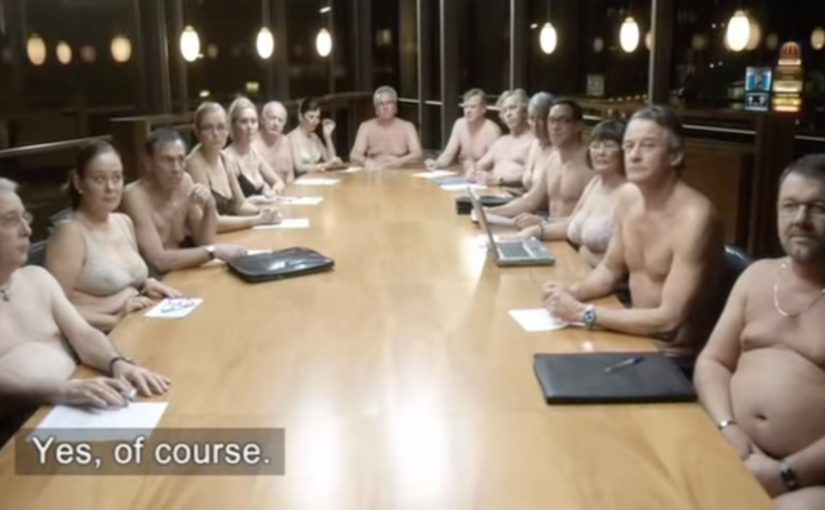
Norwegian ad agency Try has created this humorous TV Commercial for BI Norwegian Business School in Norway.

What the “Strip” format is doing

This film is built like a short, punchy scenario where comedy does the explaining. The title “Strip” signals a reveal. Here, “Strip” means a quick reveal structure. Set up one situation, then strip it back to the point. The joke is the hook, and the point lands after you’ve already committed attention.

When recruitment advertising works, it makes the viewer feel the consequence of being unprepared or underestimated. Then it positions education as the fix.

In higher-education recruitment, attention is scarce and differentiation is hard, so a clear comic scenario can compress the message into something people remember.

The real question is whether your recruitment message can earn attention before it asks for belief.

Why a humorous recruitment ad can outperform “informative” messaging

A humorous scenario is often stronger than an information-led message when you need reach beyond paid media. People rarely share program facts. They share moments. A comedic execution creates that moment, and it travels because it is easy to retell.

Extractable takeaway: If you want your recruitment message repeated by people who owe you nothing, build a retellable moment first and attach the proof after.

It also flatters the audience. If the viewer gets the joke quickly, they feel clever. That positive emotion transfers to the brand.

Stealable moves for recruitment marketing

  • Lead with one simple situation. One scene. One tension. One payoff.
  • Make the title do work. A strong title sets expectation and primes the reveal.
  • Earn the brand message late. Let the scenario pull people in, then attach the takeaway.
  • Keep it culturally specific, but universally readable. Local tone helps, but the human moment should translate.

A few fast answers before you act

What is BI Norwegian Business School’s “Strip” ad?

It is a humorous TV commercial created for BI Norwegian Business School, designed as a short scenario that makes a recruitment point memorable through comedy.

Who created the ad?

The film is credited to Try Reklamebyrå for BI Norwegian Business School.

Why use humor for a business school recruitment message?

Humor increases attention and recall. It also makes the message easier to retell, which helps recruitment campaigns travel beyond paid media.

What is the main creative mechanism at work?

A single situation creates tension, then the reveal resolves it. That structure delivers a clear takeaway without feeling like a brochure.

What is the biggest risk with this approach?

If the joke is stronger than the takeaway, viewers remember the gag but not the school. The brand connection has to be unmistakable in the final beat.

Hyundai A-League: Gift Wrapping Swindle

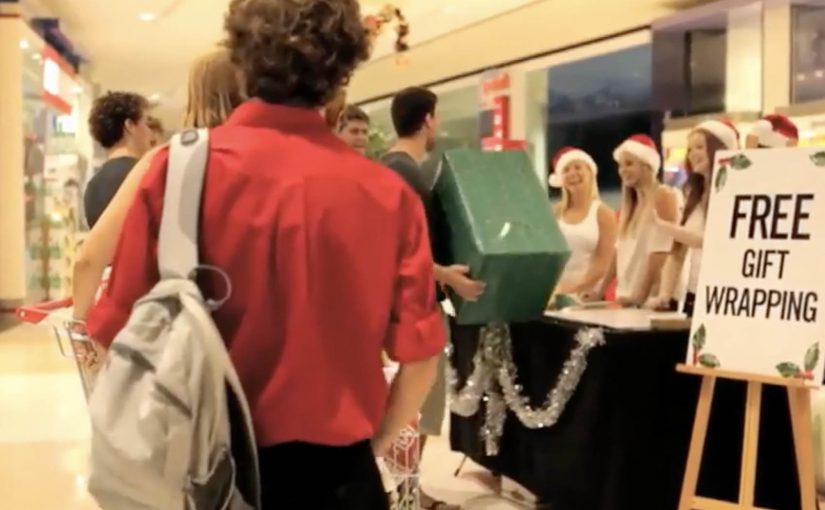
Getting people into a stadium rarely starts with sport. It starts with habit. Lowe in Sydney uses the pre-Christmas rush to put a match invitation into a moment people already care about, without needing another ticket ad.

A Christmas “service” that flips into promotion

The activation doesn’t fight for attention in a new media slot. It borrows an existing ritual, getting gifts ready, when people are already in a generous, social mindset and open to small surprises.

The smart part is the order of operations. It feels like help first, marketing second, which lowers resistance and makes the message easier to carry into conversation afterwards.

The reveal is the media

Once people opt in, the experience pivots. What looks like a straightforward offer becomes a playful con, and that pivot is the part people remember and retell.

That retelling is the distribution engine. It converts passive reach into a personal anecdote, and personal anecdotes are what move a friend group from “I saw something” to “we should go.”

In crowded sports and entertainment markets, attendance is often won at the everyday decision points where people choose what they will do with their next free evening.

The real question is whether you can turn an attendance ask into a story people want to retell, not just a message they notice.

Why the idea lands so well

The “swindle” framing does two jobs at once. Here, “swindle” simply means a playful bait-and-switch, the wrapping offer flips into a match invite. It creates tension and emotion in the moment, and it makes the participant feel involved, not targeted. The reaction is the content, and the retelling is the distribution.

Extractable takeaway: If you can attach your message to a real-world ritual that people already care about, you don’t need to “earn attention” from scratch. You simply redirect it, then give people a story they can repeat without you.

This is also listed in Effie Awards Australia reporting as a winner in the “Most Original Thinking” category, which fits the design: a small behavioural hack, not a big media buy.

What the league is really buying

The hidden win is not just awareness. It’s habit disruption. You take a non-football moment and reframe it as football-adjacent, then you push the idea of attending into a context where people are already planning social time around the holidays.

A ritual-first activation like this beats incremental ticket messaging because it recruits people’s social planning habits, not just their attention.

That’s how you move from “I saw an ad” to “we should go”. The campaign manufactures a nudge that feels organic because it is embedded inside a familiar activity.

Ritual-based attendance nudges to copy

  • Pick a ritual with built-in foot traffic: shopping, commuting, queues, checkouts, waiting rooms.
  • Make the reveal the message: the twist should be the reason people talk, not an extra layer you explain after.
  • Design for retelling: if the story can be repeated in one sentence, it will travel further than the experience itself.
  • Keep the CTA implicit: the best outcome is that people decide to act while they are still talking about what happened.

A few fast answers before you act

What is “The Great Christmas Gift Wrapping Swindle”?

It’s a holiday-season activation that turns gift wrapping into a surprise promotional stunt, engineered to spark conversation and drive attendance.

Why is gift wrapping a smart channel for sports marketing?

Because it’s a ritual people willingly engage with. The message travels physically with the gift, and the moment is social by default.

What makes this more effective than a standard ticket ad?

The participant becomes the messenger. A prank-style reveal produces a story, and stories outperform slogans when it comes to getting people to act.

What’s the main risk with prank mechanics?

If the reveal feels mean-spirited or wastes people’s time, you get backlash without benefit. The tone has to stay playful, and the participant has to feel “in on it” quickly.

How do you adapt the pattern outside sports?

Attach your offer to a real-world ritual in your category. Then design one clear twist that transforms the ritual into a story people want to repeat.