
Volkswagen: Instant Christmas Recycler

A Christmas recycler that turns responsibility into a reward

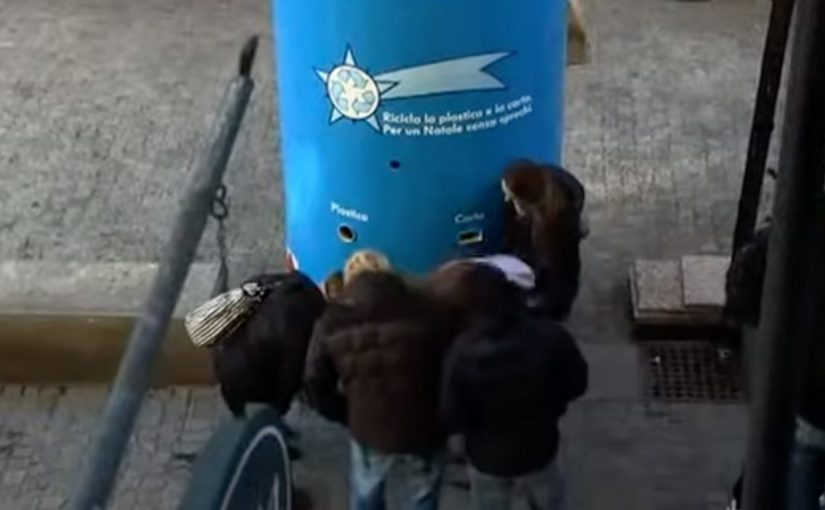
Volkswagen in Italy wanted to convince people to be more responsible towards the environment. So with the help of ad agency Now Available they created an engaging ambient ad called the “Instant Christmas Recycler”.

How the Instant Christmas Recycler works as an ambient activation

The idea is simple: put a recycling station where people are already moving, then make the “right” action feel immediately worthwhile. As described in campaign write-ups, each time someone disposed of rubbish correctly, the machine responded with an instant Christmas-themed reward. That instant feedback is the mechanism.

In retail-adjacent public environments, ambient installations can make sustainability tangible by turning small actions into visible, immediate consequences.

Why it lands: it replaces guilt with a small win

Environmental messaging often asks for sacrifice. This flips the emotional contract. It rewards the behavior on the spot, so the action feels like a game you want to complete rather than a lecture you want to avoid.

The Christmas framing matters too. It gives the act of recycling a seasonal “ritual” feel, which makes participation socially acceptable and easy to repeat.

The business intent behind the charm

This is brand reputation building with a behavioral nudge attached. Volkswagen gets to show up as a constructive actor in everyday life, while testing a simple truth: if you want people to change behavior, reduce friction and make the payoff immediate.

What to steal for your next sustainability activation

  • Reward the action, not the intention. People follow loops they can feel instantly.
  • Place it where behavior already happens. Footfall beats persuasion.
  • Make the feedback public. Visible participation normalizes the act for bystanders.
  • Keep the rules obvious. One action. One response. No instructions needed.

A few fast answers before you act

What is the “Instant Christmas Recycler”?

It is an ambient activation for Volkswagen in Italy that uses a branded recycling station to encourage responsible disposal by giving immediate feedback and reward.

What is the key mechanism that makes it work?

Instant reinforcement. When someone recycles correctly, the installation responds immediately, making the right behavior feel easy and worth repeating.

Why use an ambient installation for an environmental message?

Because it reaches people in the moment of action. It turns sustainability from a slogan into a behavior you can perform right now.

What should a brand be careful about with reward-based nudges?

If the reward is unclear, delayed, or inconsistent, the loop collapses. The response has to feel reliable and directly tied to the action.

How do you scale an idea like this beyond one location?

Standardize the behavior loop and vary the context. Same simple action and response, different placements and seasonal skins that fit local routines.
Giant Phone

The mission for ad agency Forsman & Bodenfors Sweden was to launch Tele2’s latest product i.e. fixed telephony through the mobile net. The product sounded quite technical and advanced. So the focus was to show how easy it was to use and how close it was to a traditional fixed phone. And the best way was to just let the people try it.

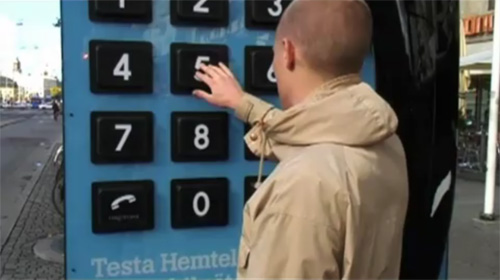
So they built giant working phones in Swedens three biggest cities. This way all passers could try the product by calling whoever they wanted for free. The giant phones, of course, were hard to ignore. And loads of people used them to call a friend, a taxi or whoever they could think of.

There was even a competition…every now and then Tele2 called up the giant phones, and whoever answered won a great prize.

BMW Motorrad: Flash Projection

German ad agency Serviceplan was given the challenge to turn young potential motorbikers into fans of BMW Motorrad by staging the brand in an unseen and fascinating way.

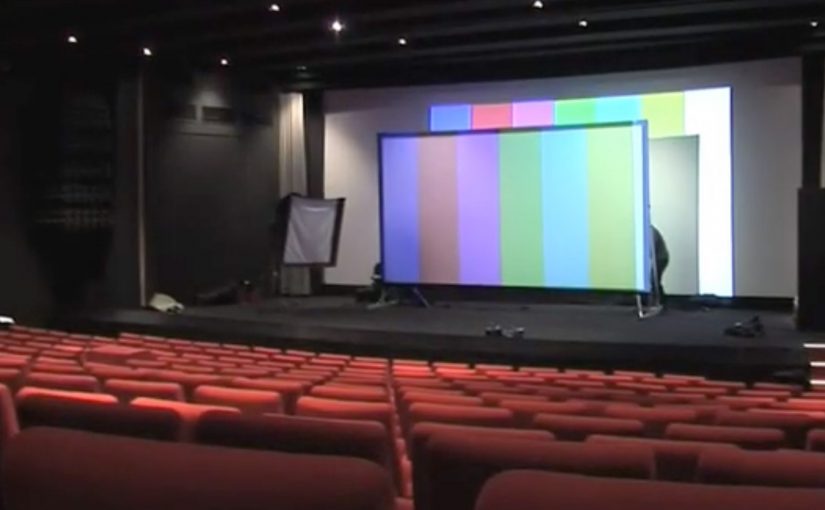
So they came up with the first cinema commercial that does not use a directly visible logo. During an exciting Superbike commercial they illuminated the BMW logo with a harmless photo flash onto the audience’s eyes. When the audience was asked to close their eyes at the end of the ad, they were surprised to see the BMW logo as an after image. With this BMW literally got inside people’s heads, involving them instead of boring them.

People who visited the movie shows were fascinated by this innovative performance. BMW Motorrad got a lot of positive feedback, especially excited comments on various biker blogs. Even film critics wrote about the event in their reviews. And of course there were several reports on TV.

At the pre-season opening of BMW Motorrad a significant number of younger people asked for information material about Ruben Xaus and his Superbike, the BMW S 1000 RR. The S 1000 RR then went on to be sold out till September 2010. A huge success in midst of a declining bike market.

Why this works

  • The stunt is the branding. The logo is not “shown”. It is experienced, and that experience is hard to forget.
  • Perfect context. Cinema is built for attention and darkness. Both amplify an after-image effect.
  • Talk value is baked in. People leave the room with a story they can only explain by reenacting it.

What to take from it

This is proof that you can create memorability without plastering a logo everywhere. If you can design a moment that the audience physically experiences, the brand recall can become stronger than with a conventional end frame.


A few fast answers before you act

What did BMW Motorrad do in this cinema activation?

They used a controlled photo-flash to create a BMW logo after-image in viewers’ vision during a Superbike-themed commercial, so the branding appeared when people closed their eyes.

Why is the “no visible logo” idea powerful?

Because the audience becomes the medium. The logo lives in their perception, which can feel more personal and more memorable than seeing it on screen.

What made it spread beyond the cinema?

The effect triggered strong word of mouth and coverage. People talked, bloggers reacted, critics mentioned it, and TV reported on it.

What is the reusable pattern for brands?

Create one clear sensory moment that is only possible in a specific context, then let that experience carry the brand into conversation afterwards.