
Ford Selección: Olor a Nuevo

Ford Selección: Olor a Nuevo

Ford Selección is the brand of used cars from Ford in Spain. Bassat Ogilvy Madrid, the agency responsible for marketing the cars, was given the task of bringing the excitement of a new car to the old ones.

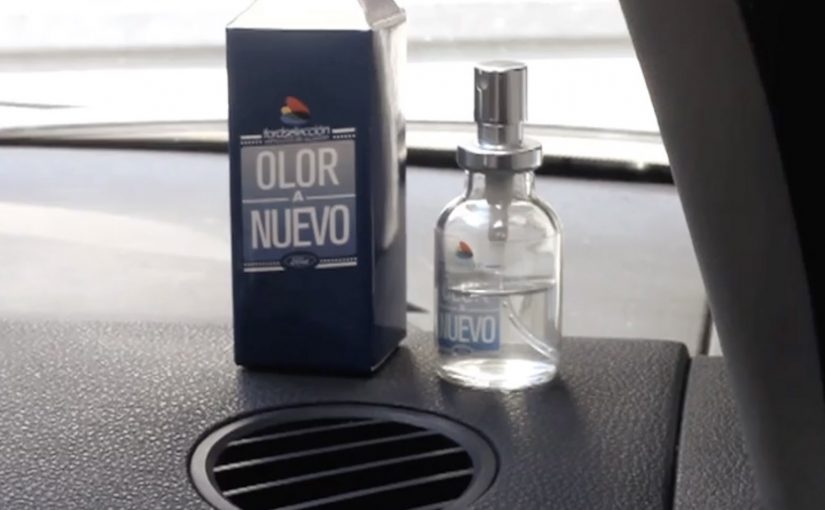
So the team set out to bring the “smell of a new car” to those who chose to buy a used one. Once the smell was identified, it was taken and bottled into fragrance samplers called “Olor a Nuevo”, which means “Smell of New”. With this fragrance, a line of used cars that smelled like new ones was created and advertised through print and outdoor.

A used-car pitch that starts with the nose

The execution picks one sensory cue that people associate with “brand new” and makes it portable. New-car smell is a shorthand for untouched materials and first ownership, and the campaign turns that shorthand into a deliverable asset.

How Olor a Nuevo works as a sales tool

The mechanism is productized reassurance: turn trust into a tangible sampler people can smell before they buy. Identify the desired scent, package it as a sampler, and attach it to the Ford Selección promise so “used” feels less like compromise and more like a smart choice with one missing detail restored.

In automotive retail, sensory cues often carry trust faster than spec sheets, because they signal condition, care, and novelty before the buyer starts rational comparison.

Why the idea lands

It targets the real tradeoff people feel. Many buyers can accept a few kilometers on the odometer, but they still want the emotional moment of “this is mine and it feels fresh”. A scent sampler creates that moment early, and makes the purchase feel closer to a first unboxing than a second-hand transaction.

Extractable takeaway: When your product is “almost new”, identify the one emotional cue buyers miss most, and restore it in a way that can be sampled quickly and remembered later.

What this says about brand experience

Olor a Nuevo is not a gimmick layered on top of the cars. It is a way of translating a promise into something you can experience in seconds, which makes the message stick long after the ad is gone.

The real question is how you make a used car feel freshly claimed before the buyer starts comparing mileage and price.

What to steal from Olor a Nuevo

  • Choose one high-signal cue. One sensory proof can outperform a long list of guarantees.
  • Make the proof portable. A sampler travels. It can be shared, compared, and remembered.
  • Turn compromise into a reframed benefit. If buyers accept “used”, give them “fresh” back.
  • Keep the comms simple. Name the benefit in plain language and let the experience do the persuasion.

A few fast answers before you act

What is Olor a Nuevo?

It is a fragrance sampler created for Ford Selección that recreates the “smell of new”, so used cars can deliver part of the emotional experience of buying new.

Why is “new-car smell” a useful marketing lever?

Because it is a fast, emotional proxy for novelty and condition. It signals “fresh” before the buyer evaluates details, which can reduce hesitation.

When does sensory marketing work best?

When a product has a strong, shared sensory association that buyers already recognize, and when that association supports a real purchase anxiety such as trust, hygiene, or freshness.

What should brands avoid with this pattern?

Overcomplicating the experience. If sampling requires explanation, or if the sensory cue does not connect to the actual buying tension, it becomes a stunt instead of a sales tool.

Can this pattern work outside automotive?

Yes, when buyers miss one high-signal cue that makes a product feel fresh, trusted, or premium. The cue must connect to a real buying tension, not just add novelty.
Magnum Pleasure Hunt: AR bonbons in Amsterdam

Magnum Pleasure Hunt: AR bonbons in Amsterdam

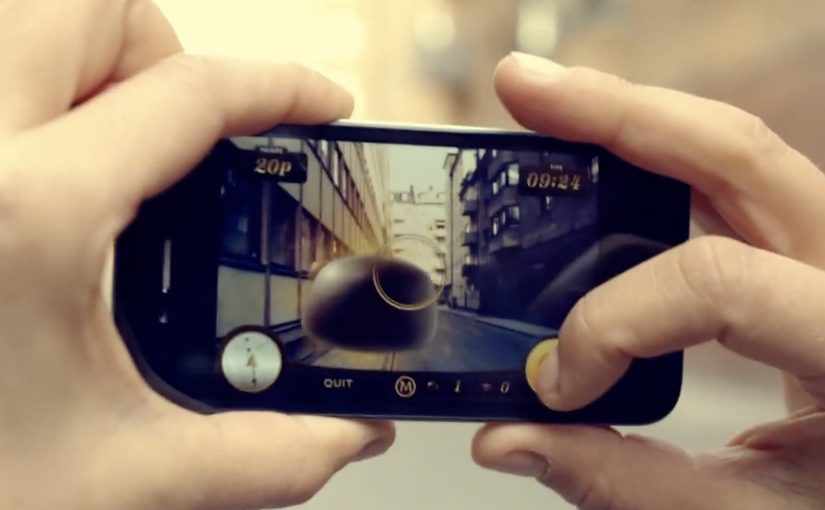
Earlier on in April Magnum launched the second edition of its hit online game Magnum Pleasure Hunt. To extend the campaign further, a real time mobile augmented reality game takes the hunt to the streets of Amsterdam.

The game is currently ongoing and participants between April 22nd and April 29th can use a special mobile app to hunt down 150 chocolate bonbons hidden across 9 locations in Amsterdam, described in some write-ups as centered around the city’s Nine Streets area. The one who claims the most bonbons wins a free trip to New York, while the rest are rewarded with the new Magnum Infinity ice cream.

Why this is a smart extension of a digital hit

The original online game is built for reach and replay. The Amsterdam version adds scarcity and locality: the same “collect the bonbons” mechanic, but tied to time, place, and physical movement, which makes participation feel more like an event than a link.

In European FMCG launches, location-based AR hunts work best when the rules are obvious in seconds and tiered prizes make “one more try” feel worth it.

The real question is whether your AR layer gives people a reason to move now, not just a new way to look at the same brand world.

What the AR layer adds to the experience

The AR layer keeps the mechanic simple, but changes the context by making the hunt visible in public and limited to specific dates and locations.

Extractable takeaway: When you take a proven digital mechanic into the street, pair it with a short window and clear rewards so participation feels like an event, not an app demo.

  • Instant purpose. You are not browsing a branded world. You are on a hunt with a clear target.
  • Real-world urgency. Limited dates and specific locations make the challenge feel live.
  • Social proof by default. People playing in public become the campaign’s moving media.

A quick comparison to Vodafone Buffer Busters

I find the Magnum mobile game to be a toned down version of the Vodafone Buffer Busters game that ran in Germany last September. Either way, this is the right direction. More brands should treat augmented reality as a medium of engagement, not a gimmick.

What to copy from Magnum’s Amsterdam hunt

  • Make the first action obvious. People should understand the goal and the first tap in seconds.
  • Limit the window. A short time period turns “I’ll try it later” into “I should go now.”
  • Use rewards that scale. A big winner prize plus smaller payoffs keeps both competitive and casual players engaged.

A few fast answers before you act

What is Magnum Pleasure Hunt Across Amsterdam?

It is a time-limited mobile augmented reality game that moves Magnum’s “collect the bonbons” mechanic from the web to real locations in Amsterdam.

How do players participate?

Players use a mobile app while out in the city to find and collect virtual bonbons placed at specific locations during the campaign window.

What makes it different from the online Pleasure Hunt?

The online version is a digital-only chase. The Amsterdam version adds time and place, turning the hunt into a real-world activity with location-based stakes.

Why are prizes so central to this format?

Because the effort is physical. A clear top prize plus smaller “everyone gets something” rewards keep motivation high across both competitive and casual players.

What is the key design lesson for AR brand games?

Keep onboarding friction low. If people cannot understand the goal and the first action immediately, they will not start, especially outdoors.

The smallest Ikea store in the world

The smallest Ikea store in the world

With city populations on the rise, living spaces have become increasingly limited. Ikea however believes that no matter how cramped your space, there’s always a solution. To demonstrate this, they built an entire Ikea store in a 298×250 pixels web banner.

People looking for studio flats as well as one/two bedroom apartments were targeted. The tiny Ikea store held 2800 products and was placed in ImmobilienScout 24, Germany’s largest online real estate market. As with their full size stores, shoppers were able to browse by department and buy all of the featured products.

A full store, compressed into one banner

The concrete move is the point. Ikea did not run a banner that “talked about” small-space living. It built a miniature storefront that behaved like a store, inside the same footprint where most brands would place a static message.

  • Format: 298×250 banner
  • Assortment: 2800 products
  • Placement context: shown where people were actively searching for apartments
  • Behaviour: browse by department and purchase, like a full-size store

Why the placement choice is the strategy

Putting the “store banner” inside a real estate marketplace aligns message and moment. If you are apartment hunting, you are already thinking in constraints. Size, layout, storage. That makes Ikea’s space-saving promise feel immediately relevant, because it shows up at the exact point the problem is top-of-mind.

Extractable takeaway: When the product promise is about solving everyday constraints, the media unit should demonstrate the solution inside the moment the constraint is felt.

In urban retail and home-living categories, the winning move is often to put the solution inside the moment people are actively negotiating space constraints.

What the banner is really trying to do

The real question is whether the media unit itself can do the selling work instead of just sending people somewhere else.

The business intent is to collapse awareness, product discovery, and purchase into one compact touchpoint. That is a stronger retail-media use of the banner than a static awareness message, because it turns the ad unit itself into a shoppable retail surface.

What to borrow for shopper marketing

  • Make the media unit do the job. If the claim is “there’s always a solution”, show solutions in action, not slogans.
  • Match the need environment. Place the idea where the need is active, not where attention is accidental.
  • Reduce steps to purchase. If people can browse and buy inside the experience, you keep momentum.

A few fast answers before you act

What was “the smallest Ikea store in the world”?

An entire Ikea store built inside a 298×250 pixel web banner.

How many products were included?

The banner store held 2800 products.

Where was it placed?

It was placed in ImmobilienScout 24, described as Germany’s largest online real estate market.

Who was it aimed at?

People looking for studio flats and one or two bedroom apartments.

Why does this work as shopper marketing?

It turns a small ad unit into a browsable store experience and puts it in front of people already thinking about limited living space.