
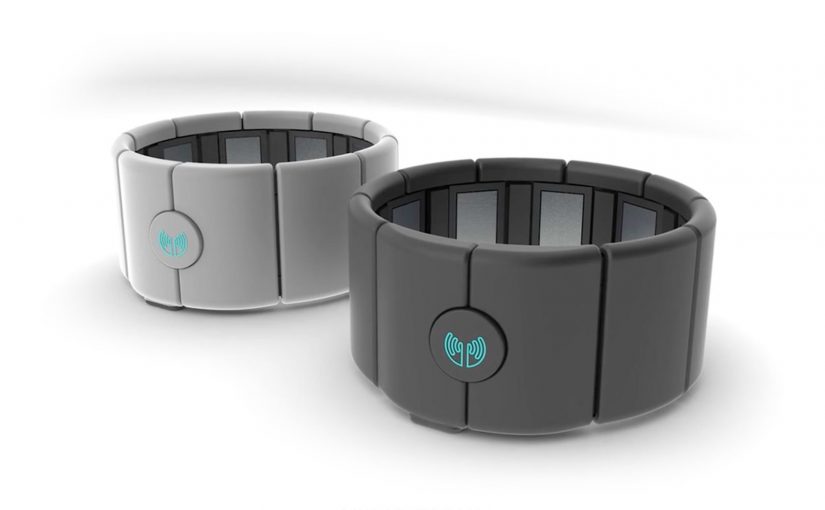
Wearable Tech: From Abandonment to Empowerment

Wearable Tech: From Abandonment to Empowerment

Wearable tech has a retention problem

Wearable technology adoption looks impressive at first glance. But usage tells a more complex story.

Research from Endeavour Partners shows that one in ten American adults owns an activity tracker, and half of them no longer use it. Similarly, one-third of American consumers who own smartwatches and other wearables stop using them within six months.

Those numbers raise an uncomfortable question: The real question is whether a wearable increases capability enough to become essential.

Is wearable tech doomed before it has even gone mainstream in the rest of the world?

The problem is not the technology

The issue is not sensors, screens, or connectivity.

The issue is meaning.

Many wearables launch with novelty and metrics, but fail to integrate into daily life. Counting steps or tracking sleep is interesting. It is rarely essential.

When a device does not change what people can do, it gets abandoned.

When wearables truly matter

The story changes completely when wearables move from tracking to empowering.

By empowering, I mean they expand what a person can do in the moment, not just what a dashboard can show later.

In its latest Mobile Minute series, Mashable looks at how wearable technology enables people in incredible ways.

These are not incremental conveniences. They are life-changing capabilities.

Wearables that increase quality of life

Wearable technology begins to earn its place when it solves real human problems:

  • Haptic clothing helps visually impaired people navigate the world through touch-based signals.
  • Wearable interfaces allow people with limited mobility to control wheelchairs using subtle movements.
  • Body-mounted cameras enable candid photography without drawing attention or interrupting moments.

In these scenarios, wearables are not gadgets. They are extensions of human ability.

Why abandonment and empowerment coexist

Wearables fail when they demand attention without giving value. They succeed when they quietly enable action, independence, and dignity. They stick because the device reduces attention and maintenance load while delivering capability at the moment of need.

Extractable takeaway: If a wearable cannot clearly increase what someone can do, it will be abandoned, no matter how impressive the metrics look.

In global consumer health and workplace wellbeing programs, wearable tech sticks when it removes daily friction and turns passive tracking into timely, actionable support.

Design rules for wearables that stick

Wearable tech is not going away. It is maturing.

The future of wearable tech is not about more data. It is about more capability.

The devices that survive will be those that:

  • Fade into the background. Minimize interruptions and attention demand.
  • Respect the body and the moment. Prioritize comfort, context, and dignity.
  • Increase quality of life in tangible ways. Deliver capability a person can feel in daily life.

This is how wearable technology moves from early adoption to lasting relevance.


A few fast answers before you act

Does high abandonment mean wearables are failing?

No. It usually means the use case is novelty or measurement-only, so the device never becomes essential in daily life.

What drives people to abandon wearables?

Friction and weak value. Charging hassle, comfort issues, unclear accuracy, notification fatigue, and metrics that do not change behavior.

What separates successful wearables from forgotten ones?

They enable action, independence, safety, or confidence in a specific moment. They do not just report data after the fact.

Where is the biggest long-term opportunity for wearables?

Assistive and supportive scenarios such as accessibility, chronic condition support, mobility, and safety. The value is empowerment, not tracking.

How do you evaluate whether a wearable belongs in daily life?

Ask what it lets a person do that they could not do before, and whether it works with near-zero attention and low maintenance.

What is one practical design rule for sticky wearables?

Reduce upkeep and interruptions. The best wearable fades into the background and proves its value at the moment of need.
O2: Be More Dog

O2: Be More Dog

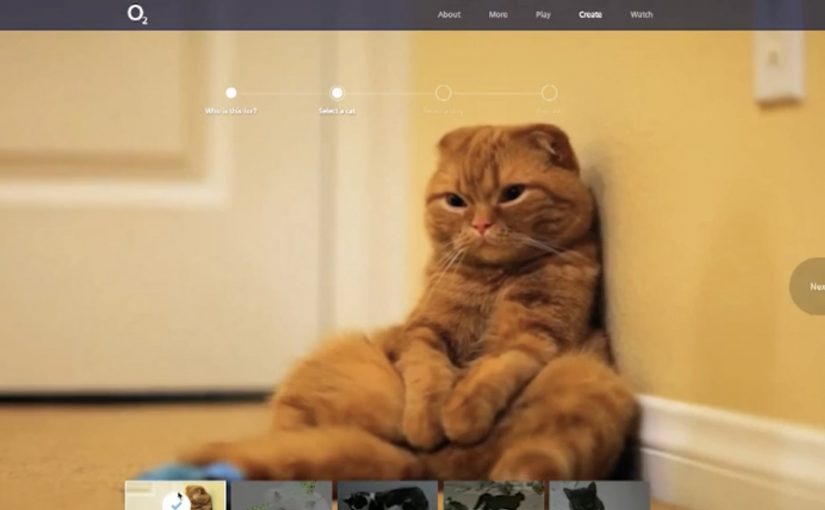
A cat decides it has had enough of being indifferent. It chases, leaps, splashes, and generally behaves like a dog. O2 UK uses that simple flip to ask people to do the same with technology. Less “meh”. More curious.

With VCCP and the Moving Picture Company, the campaign extends beyond the TV spot into a participation layer. That participation layer means the idea does not stop at the film but gives people something to do and share. On visiting www.bemoredog.com, people are greeted by a cat that acts more like a dog, then pulled into interactive play through a dual-screen HTML5 Frisbee game and a set of customisable cat videos designed for sharing.

How the integration is designed

The mechanism is a clean handoff. TV creates the character and the phrase. Mobile turns into the controller for a dual-screen game. Social carries the customisable video layer so people can pull friends into the same joke and the same attitude shift.

In UK consumer telecoms, where functional claims blur quickly, a memorable behavioural metaphor can do more positioning work than another round of feature talk.

Why it lands

It works because it uses a familiar truth. The cat-to-dog flip works because it turns an abstract behaviour change into a visual joke people understand in seconds. Cats look cool and detached. Dogs look curious and all-in. That contrast is instantly readable, and it translates directly into what O2 wants from people. Try the new thing. Explore. Stop acting like technology is background noise.

Extractable takeaway: If you want people to reframe a category, give them a single, sticky metaphor and one simple interaction that lets them experience the new attitude, not just hear about it.

What O2 is really trying to shift

This is brand positioning dressed as entertainment. The real question is how to make curiosity about new technology feel socially easy and emotionally attractive, not technically demanding. O2 is steering perception toward optimism and exploration, and using connected play to make “embracing the new” feel easy, not technical. In context, the timing also supports a broader push into newer network experiences, including 4G-era behaviour change.

What brand teams can steal from Be More Dog

  • Use one character as the bridge. The cat carries TV, site, game and shareables without needing extra explanation.
  • Make mobile do a job. Second-screen control is more convincing than a generic “download our app” prompt.
  • Build sharing into the format. Customisable videos give people a reason to tag or send, not just watch.
  • Keep the interaction lightweight. Quick play beats complicated onboarding when the goal is broad participation.

A few fast answers before you act

What is “Be More Dog”?

It is an O2 UK brand campaign that uses a cat acting like a dog as a metaphor for being more curious and enthusiastic about new technology, supported by second-screen and shareable digital experiences.

What is the core digital mechanic?

A dual-screen HTML5 Frisbee game that uses a phone as the controller, plus customisable cat videos designed for social sharing.

Why does the cat versus dog metaphor work so well?

It compresses a complex ask into a simple behavioural contrast people instantly understand, then turns that contrast into a repeatable line and a repeatable action.

What makes this an integrated campaign rather than “TV plus a website”?

The channels do different jobs that depend on each other. TV creates meaning. Mobile enables interaction. Social distributes personalised variants that pull others back into the idea.

What is the biggest way this pattern fails?

If the digital layer feels bolted on. The interaction has to express the same promise as the film, otherwise it becomes a novelty that does not move perception.

Coca-Cola: Slurp and Crunch Cinema Spots

Coca-Cola: Slurp and Crunch Cinema Spots

Cinema etiquette, packaged as entertainment

Coca-Cola, with the help of Saatchi & Saatchi Denmark and M2Film, created a two-spot public service campaign that highlighted the annoyance of noisy slurps and crunching of refreshments during public viewing at the cinema.

Here, “public service” means a brand-funded reminder about shared cinema etiquette rather than a product offer.

Coca-Cola Gangster

Coca-Cola Stableboy

The move: make the sound the villain

Everyone knows the noise. The spots take that tiny irritation and push it to the foreground, so the whole room shares the same reaction at the same time. By making the sound the villain, the films turn annoyance into an instant, shared norm signal.

In shared public settings like cinemas, etiquette is enforced socially, so in-context cues matter more than abstract rules.

The real question is whether you can correct the behavior in the moment without sounding like you are policing it.

Why it works where it plays

Because it runs in the cinema. The reminder lands in the exact environment where people can immediately correct themselves. It feels like a social cue, not a rule.

Extractable takeaway: When you want voluntary behavior change, put the cue inside the moment of action and make it emotionally legible to everyone in the room.

The behavioral job

Highlight how slurps and crunching can ruin public cinema viewing, and nudge people toward better behavior without preaching.

A short in-context spot like this beats a generic reminder for etiquette nudges because it recruits the audience, not just the offender.

Steal the nudge

  • Micro-irritation: Pick a universal micro-irritation and dramatize it fast.
  • In-context delivery: Deliver the message in-context, where relevance is unavoidable.
  • Watchable change: Use story and character so behavior change stays watchable.

A few fast answers before you act

What was this Coca-Cola cinema campaign?

A two-spot campaign designed to highlight how loud slurping and crunchy snacking can annoy other people during a movie.

Who created the campaign?

The post credits Saatchi & Saatchi Denmark and M2Film alongside Coca-Cola.

How many spots were there and what were they called?

Two spots. “Coca-Cola Gangster” and “Coca-Cola Stableboy.”

Where was this intended to run?

In a cinema context, aimed at audiences during public film viewing.