J.C. Penney: Santa Tags

J.C. Penney: Santa Tags

When a QR code stops being a link and becomes a keepsake

Brands generally use QR codes to direct consumers to websites. But during the holiday season, J.C. Penney takes a different approach.

Shoppers receive a “Santa Tag” sticker with each purchase. The tags contain individualized QR codes that can be scanned with any QR reader to record a personalized voice message. Gift recipients can then scan the same code to hear that recorded message when they open their gifts.

The mechanic: scan once to record, scan again to reveal

The clever part is the two-phase use. In store, the code is a recording trigger. At home, the code becomes the playback trigger. That turns an otherwise generic sticker into a private moment between giver and receiver, without requiring an app download or a new behavior beyond scanning. It works because the same code carries the message from purchase to unwrapping, so the technology fades back and the emotional payoff arrives at the right moment.

In retail holiday campaigns, the most effective “personalization” is often not product customization. It is emotion customization, meaning the product stays the same but the moment around it becomes personal. A small, authentic message beats a bigger discount for memory value.

The real question is how to turn a low-cost store touchpoint into a high-memory part of the gift itself.

Why it lands

This adds meaning at the exact moment people care about meaning. Gift giving. It also creates a reason to choose one retailer over another that is not price-driven, because the value is in the experience the gift will deliver later. The tag travels beyond the store and completes itself at unboxing, which is where holiday stories are actually made.

Extractable takeaway: If you want a simple activation to feel premium, design it to “pay off later” in a private moment, and keep the tech invisible enough that it feels like magic, not a feature.

What retail holiday teams should steal

  • Make the code do something human. QR is not the idea. The idea is a recorded message that travels with the gift.
  • Design for zero friction. No app, no sign-up, no learning curve. Just scan and speak.
  • Extend the experience beyond the store. The activation finishes at home, which increases brand recall.
  • Build around an emotional ritual. Holiday gifting already has meaning. The best activations amplify it rather than invent it.

A few fast answers before you act

What are J.C. Penney “Santa Tags”?

They are gift-tag stickers with individualized QR codes that let shoppers record a voice message and let recipients scan later to hear that message during unwrapping.

What makes this different from typical QR code marketing?

The QR code is not a link to a website. It is a trigger for recording and playback, turning the code into a personal keepsake.

Why does the two-phase scan mechanic matter?

It creates a delayed payoff. The experience completes at the moment the gift is opened, not at the moment of purchase.

What is the main lesson for retailers?

Small, low-friction personalization that amplifies an existing ritual can differentiate a store without discounts.

What’s the risk if a brand copies this?

If scanning fails or playback is unreliable, the emotional moment collapses. The tech must be extremely dependable.
Airwalk: The Invisible Pop-Up Store

Airwalk: The Invisible Pop-Up Store

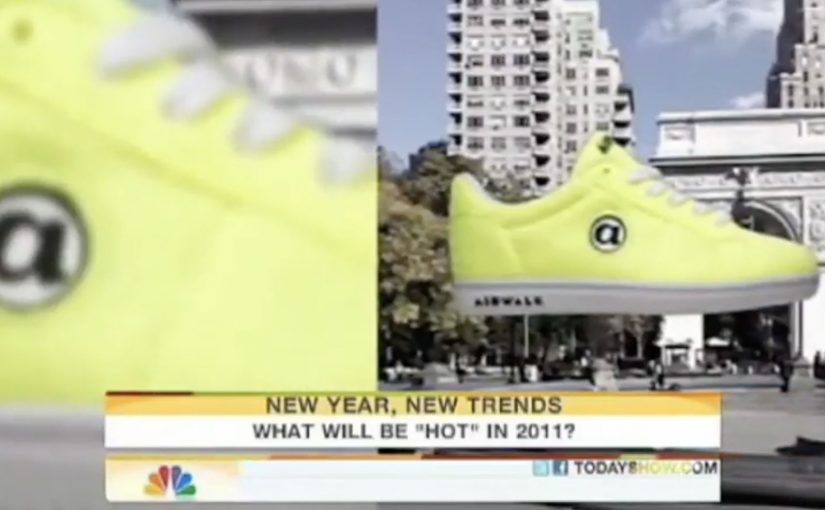
GoldRun and Young & Rubicam have created what is billed as the world’s first invisible pop-up store. Here, “invisible” means the storefront is an AR layer that only appears on a phone at specific GPS coordinates.

Sneakerheads and skaters visit the virtual store at Washington Square Park in NYC and Venice Beach in LA. You show up, look through the phone, and the drop reveals itself.

A pop-up you cannot see until you are there

The mechanism is a location-based AR layer. The product is GPS-linked to specific places, so access is earned by presence, not by refreshing a webshop.

Instead of browsing shelves, people “capture” the virtual sneaker in the app and unlock a purchase path. The retail action is still commerce, but the pre-commerce moment is play.

In youth culture launches where scarcity and scene credibility matter, location-based drops create stronger heat than broad e-commerce blasts.

Why this lands with sneaker culture

This is not just novelty AR. It taps into three instincts that already exist in sneaker communities:

Extractable takeaway: When scarcity is the story, make the constraint experiential (where, when, who) so fans can earn access and retell the effort.

  • Scarcity: limited runs feel meaningful when access is constrained.
  • Proof of effort: being there becomes part of the story and the status.
  • Social retell: the experience is easy to describe and easy to show.

The “invisible store” framing also upgrades the idea from a promo to a cultural moment. It makes the drop feel like an event that happened, not a product that launched.

The business intent under the stunt

Airwalk gets a high-impact relaunch without paying for traditional retail real estate. The brand borrows the authenticity of parks and beaches, then turns those places into distribution.

The real question is whether you can make showing up part of the product value, not just the marketing.

That matters because it makes the product and the environment inseparable. The sneaker is not simply “for” skaters and surfers. It appears where they actually are.

Launch moves from geo-locked pop-ups

  • Make access physical, even if the product is bought digitally.
  • Turn scarcity into a mechanic, not a banner headline.
  • Design a one-sentence retell, for example “the store only exists at two spots.”
  • Pick locations that already signal the brand, so the setting does some of the messaging work.

A few fast answers before you act

What is an “invisible pop-up store” in practical terms?

It is a temporary retail experience that exists only through a phone interface at specific real-world coordinates. No physical store build is required.

What is the core mechanic that drives participation?

Geo-fenced discovery. People must travel to a location to reveal the product, then complete an action in-app to unlock purchase.

Why not just sell the shoes online normally?

Because the launch is the marketing. Turning purchase access into a hunt creates earned attention, social proof, and a stronger sense of drop culture than a standard checkout flow.

What are the biggest risks with this approach?

Friction and disappointment. If the experience is hard to access, unstable on devices, or feels unfair due to distance, enthusiasm flips quickly.

What should a brand measure to know if it worked?

Location visits, completion rate from “found” to purchase, time-to-sell-out, and the volume and quality of organic sharing that shows people proving they were there.

Shopping & Money: When Payment Disappears

Shopping & Money: When Payment Disappears

Shopping is 24×7. It happens everywhere, not just in a store or on a website.

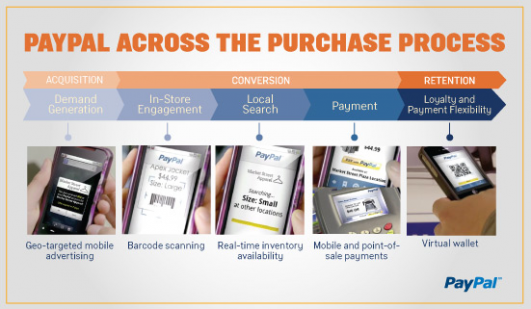
The intersection of smartphones, social media, online and offline shopping puts the consumer squarely in control. The shopping journey is no longer linear. Discovery can start in a social feed, comparison can happen on a phone while standing in front of a shelf, and purchase can happen without ever “going to checkout”.

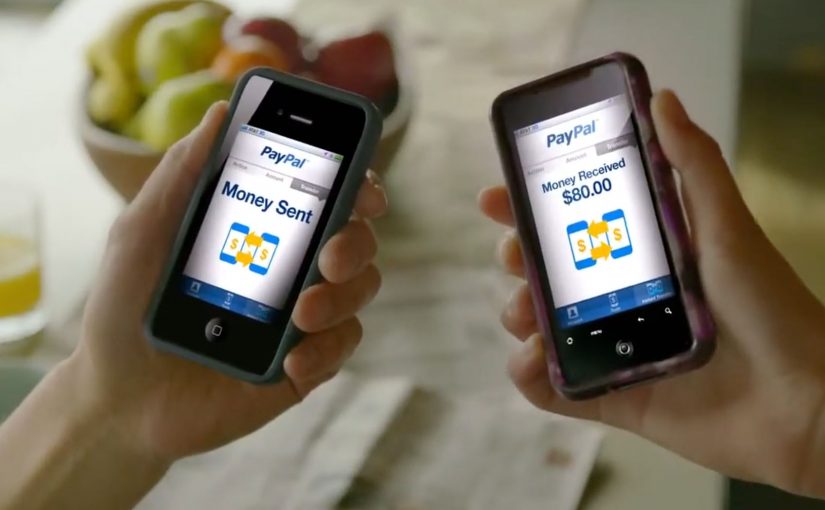
That shift is exactly what PayPal leans into with a hype video depicting what the future of shopping might look like. The story is not only about paying faster. It is about payment disappearing into the experience, powered by PayPal’s next generation payment platforms as they aim to re-imagine money. Here, “payment disappearing” means the transaction runs in the background while the shopper stays focused on choosing and receiving.

Payment is becoming invisible

We already see the building blocks all around us.

  • The phone becomes the remote control for shopping. Discovery, decision, and purchase collapse into one device.
  • Identity and trust become the key. Not the physical wallet.
  • The act of payment moves from a moment to a background process. It becomes an outcome of intent, not a step.

Because identity and trust signals can be verified upfront, the system can authorize transactions without forcing a visible checkout moment.

What changes is not only how you pay. It is when you pay. Or more precisely, whether you even notice it.

In European enterprises and global retail ecosystems, the first battles play out around who can make identity, trust, and permission work consistently across channels.

In commerce ecosystems, the player that owns identity, trust, and the payment layer can influence far more than checkout. It can shape the full shopping journey.

The consumer is in control. Brands and retailers adapt or fade

When consumers can shop anytime and anywhere, the competitive battlefield shifts.

Extractable takeaway: The winning journey makes payment an invisible outcome of intent, while trust and permission stay visible enough for the customer to understand and control.

  • Convenience becomes design. You win by removing friction, not by adding features.
  • Context beats channel. The store is not a place. It is a moment, a need, a trigger.
  • Attention becomes the scarce currency. If payment is effortless, the real fight is for preference, trust, and relevance.

In this model, money is not the centerpiece. The experience is.

What the PayPal vision is really selling

Commerce becomes ambient.

PayPal’s narrative previews a broader shift. Commerce becomes ambient, meaning buying and paying blend into everyday moments instead of a distinct checkout step.

The hype is the packaging. The strategic message underneath is that payment platforms want to sit one layer deeper in the journey. Not at the end, but throughout.

They aim to become the connective tissue between identity, intent, and transaction.

This is why the video matters. It is not a product demo. It is a stake in the ground. The future of shopping is continuous, and the future of money is embedded.

Design moves when payment disappears

If payment disappears, a few questions matter more than ever.

The real question is who sets the rules of identity and trust when payment fades into the background.

Brands and retailers should design journeys so payment is an invisible outcome of intent, while the consumer stays in control of trust and permission.

  • Relationship ownership. Decide who owns the consumer relationship when the transaction becomes frictionless.
  • Trust, privacy, permission. Define how trust, privacy, and permission evolve when identity becomes the wallet.
  • Loyalty without a moment. Re-think loyalty when the purchase moment is no longer a moment.

The brands and retailers who win treat checkout as a symptom. Not a destination.


A few fast answers before you act

What does “payment disappears” actually mean?

Payment becomes a background step. The shopper focuses on choosing and receiving, while the transaction happens with minimal explicit action.

Why is the smartphone central to this shift?

It combines identity, context, discovery, and transaction capability in one always-on device, collapsing steps that used to be separate.

What is the strategic risk for retailers?

If the payment layer owns identity and trust, it can also mediate choice. Retailers risk becoming interchangeable unless they add differentiated experience value.

What is the opportunity for brands?

To design end-to-end journeys that reduce friction and increase relevance. When paying fades away, experience quality becomes more visible.

What is the hardest part to get right?

Trust and permission. Invisible payment only scales when consumers feel in control and understand when and why transactions occur.