A market-day shock that makes the point instantly
The fastest way to explain risk is to make people feel the cost of it. AXA’s stunt is a clean example of that principle.
To raise people’s awareness and make them realize that nobody wants to pay for bad drivers, AXA decided to play a trick on people with the help of a little old lady.
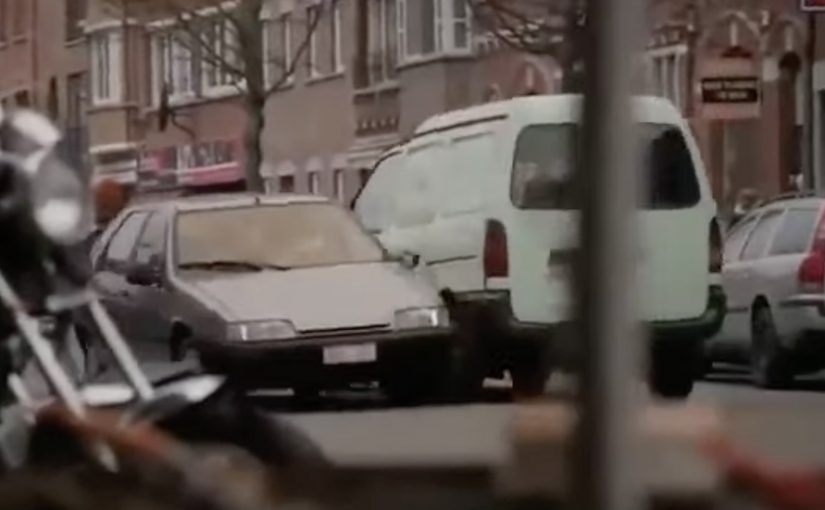
On an ordinary market day in a small, tranquil French town, an old lady was seen getting out of her parking space. In the process she knocked almost everything in her way before crashing into a line of market stalls. With the reveal being that it was staged to make the point.
How the “bad driver” setup delivers the message
The mechanism is staged reality in a real environment. By staged reality, AXA controls the trigger and the reveal, while the setting and bystander reactions stay real.
AXA uses a familiar public setting and a believable trigger. A driver leaving a parking space. Then it escalates into visible damage that bystanders can immediately judge as “this is what we do not want on the road.” The trick creates attention first, then makes space for the reveal and the point. Because the incident unfolds in public, the fairness judgment forms before anyone asks for an explanation.
In European insurance categories, public-safety messages land faster when consequences are visible and socially agreed, not only described.
Why it lands in the moment
It works because it activates two instincts at once. Concern and fairness. Nobody wants to see people hurt or property damaged, and once people witness reckless behavior, the idea of everyone else paying for it feels wrong.
Extractable takeaway: If you can make the cost of a behavior feel public and unfair in under ten seconds, you do not need to over-explain the risk.
The business intent behind the stunt
The intent is to turn an abstract insurance argument into a shared social judgment.
The real question is whether your message can become a shared verdict before people have time to tune out.
Bad driving creates costs. The campaign pushes viewers and bystanders toward the same conclusion. Pricing and consequences should reflect behavior. By making that conclusion feel obvious, AXA strengthens its positioning around responsibility and risk.
Steal this structure for risk awareness activations
- Start with a situation everyone understands. A simple parking maneuver needs no context.
- Make the consequence visible. People react to outcomes they can see, not statistics they cannot.
- Use escalation to earn attention. Build from normal to shocking so the message arrives when focus is highest.
- Let the audience reach the conclusion. The most persuasive line is the one people say to themselves first.
A few fast answers before you act
What was AXA’s “Crazy Driver” trying to change?
It aims to reduce risky driving by confronting people with an exaggerated version of everyday bad driving, making “normal” shortcuts feel unacceptable in the moment.
What is the core mechanic?
Stage a believable incident in a real public setting, then escalate visible consequences fast so bystanders form an immediate social judgment before the reveal.
What is the emotional sequence the stunt triggers?
Concern first, then fairness. Once people witness reckless behavior, the idea that everyone else pays for it starts to feel wrong, which makes the message stick.
What business intent does this serve for an insurer?
It turns an insurance argument into a shared conclusion. Risky behavior creates costs, and consequences should reflect behavior. The stunt makes that conclusion feel obvious.
What should brands steal from this approach?
Make the behavior the content. Start with a situation everyone understands, show consequences people can see, and let the audience reach the conclusion themselves.
What is the key risk with prank-style public activations?
If it feels unsafe, humiliating, or too punitive, attention can flip into distrust. The line is whether the reveal resolves tension quickly and respectfully.