
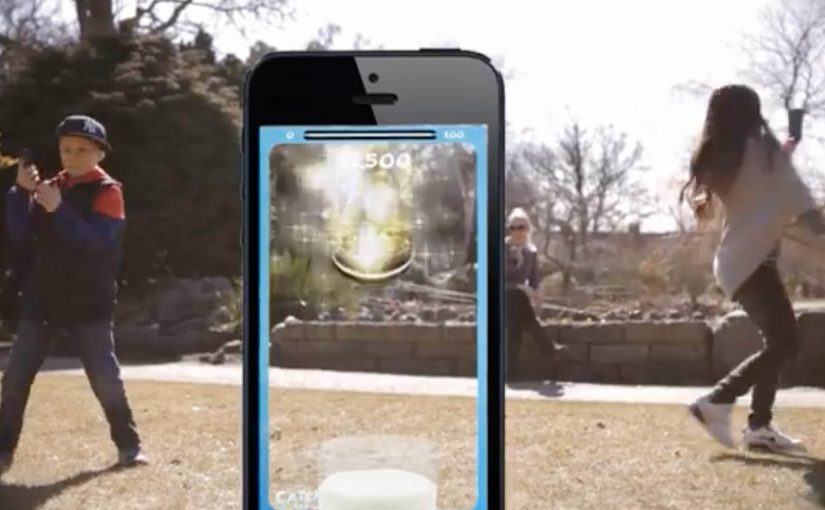
Catch the Oreo: An Augmented Reality Game

Oreo Cookies to commemorate the first video game created by Ralph H. Baer, has used modern day technology to create an augmented reality game called “Catch the Oreo”. The game is available on Android and iOS devices.

People living in Norway and Denmark are automatically entered into a sweepstake competition by just playing and uploading their high score. There are weekly prizes and the winners are decided by drawing lots.

Competition lasts from 8th of April to 28th of July 2013 (both dates included). So start playing.

Why AR is a good fit for a simple, repeatable game

The charm of “Catch the Oreo” is that it takes a basic arcade mechanic and gives it a physical feeling. AR turns “tap on a screen” into “catch it in your space”, which makes the game feel more immediate and more shareable.

  • Instant understanding. Catch the cookie. Score points. Improve your high score.
  • AR adds novelty without complexity. The camera layer makes it feel new, but the rules stay simple.
  • Replays are built in. High scores naturally invite repeated attempts.

The sweepstake mechanic reduces pressure and increases participation

Weekly prizes and winners drawn by lots changes the psychology. You do not have to be the absolute best player to feel you have a chance. You just have to play and upload.

That is a smart way to broaden participation, especially in markets where you want scale quickly.

Why Norway and Denmark focus matters

By making the sweepstake specific to Norway and Denmark, Oreo can concentrate buzz, prize logistics, and local relevance. It also allows them to measure adoption and participation within a defined footprint.

What to take from this if you run mobile engagement campaigns

  1. Keep the core mechanic simple. AR is the layer. The game rules should be obvious.
  2. Reward participation, not only skill. Lot-based prizes can widen the funnel.
  3. Use time-boxed windows. Fixed dates create urgency and repeat visits.
  4. Make sharing part of the flow. High-score uploads naturally create a distribution loop.

A few fast answers before you act

What is “Catch the Oreo”?

It is an augmented reality mobile game created by Oreo, available on Android and iOS, where players catch Oreos to achieve a high score.

Where was the sweepstake promotion available?

For people living in Norway and Denmark, who were entered automatically by playing and uploading their high score.

How were winners selected?

There were weekly prizes and winners were decided by drawing lots, not purely by highest score.

What were the competition dates?

It ran from 8 April to 28 July 2013, with both dates included.

What is the main lesson for AR marketing?

Use AR to add delight, but keep the underlying mechanic simple and repeatable, then attach incentives that drive replays and sharing.
Like hunting

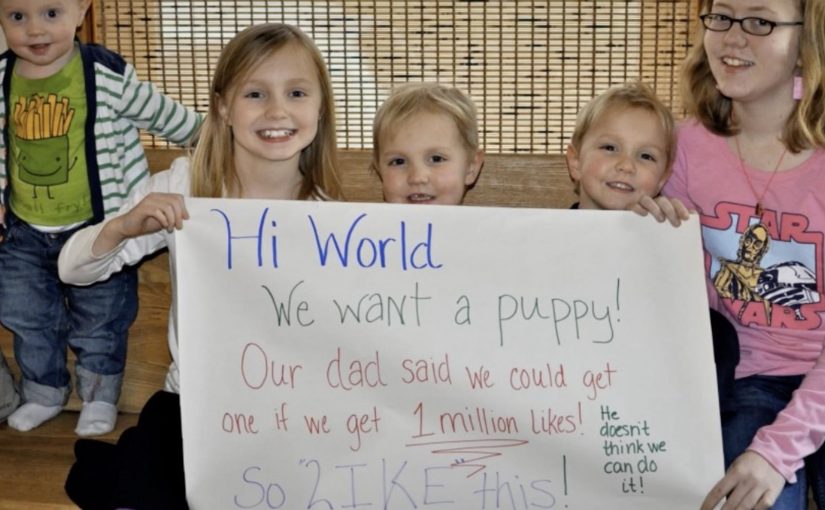
In the last months there have been cases of people uploading photos on Facebook and successfully asking for 1 million likes. So keeping that in mind, Doctors Without Borders decided to turn their campaign idea “good intentions don’t save lives” on its head and actually make people’s intentions count.

Through a special Facebook app people could create a post and ask their friends for likes while donating 1 Danish Kroner to Doctors without Borders for each like they got. Each collection was run for 48 hours and only likes from your own Facebook friends counted. By setting a maximum amount you could also make sure you dont go bankrupt. If your friends were too slow, you could also simply decide to donate more.

At the end of each donation drive people could post a picture saying thank you to all their friends who helped them donate. The campaigns success has already made it a permanent solution and can still be found running for people who want to turn their friends likes into donation.

VW Polo Principle: Crowdsourced 3D Prints

Volkswagen last year launched “The Polo Principle” ad campaign to convey the message that high-end innovations were now available to Polo drivers.

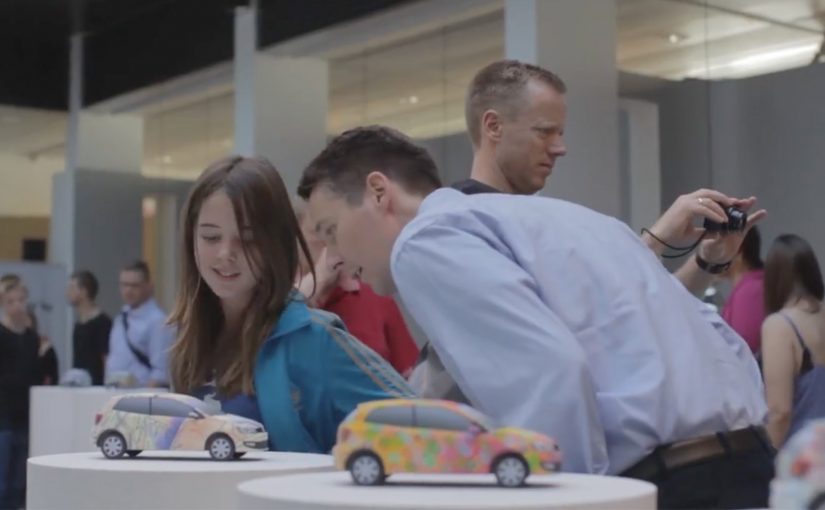
Then, to democratize the innovation process, they allowed people to actually design their very own 3D Volkswagen mock ups. The top 40 designs were chosen by a panel of judges and then put on display in Copenhagen, with the entrants receiving their (mini) 3D printed Volkswagens in the mail.

From innovation message to innovation participation

The mechanism is a neat escalation. The campaign starts with a claim: premium innovation is no longer reserved for premium models. Then it turns that claim into an action: if innovation is being “democratised,” people should be able to shape it. A 3D design tool becomes the interface for participation.

Instead of asking audiences to agree with the brand message, Volkswagen invites them to contribute to it, visually and playfully.

In co-creation campaigns, participation becomes persuasion when people can make something that physically proves the brand promise.

Why it lands: ownership beats persuasion

This works because creating something triggers a different level of engagement than watching something. Designing a mock up requires time, intent, and taste. Once you invest that effort, you become emotionally tied to the campaign. And when your design is selected, the brand is no longer a distant manufacturer. It is a platform that amplified you.

The Copenhagen display adds a public payoff. It moves the work out of the browser and into a real space, which signals seriousness and status.

The intent: make “accessible innovation” feel real

The business intent is to attach innovation to the Polo brand without sounding like advertising. User-generated designs create social proof. The 3D printed mini cars make the campaign tangible. “Innovation is available to you” becomes “here is something you made, and here is a physical object that proves it.”

What to steal from this approach

  • Turn a message into a mechanism. If you claim democracy, build a democratic action people can take.
  • Reward with something physical. A mailed 3D print is a memorable artefact, not a forgettable badge.
  • Curate publicly. Exhibiting the top designs creates status and raises the perceived value of participation.
  • Use judges plus community. A panel can signal craft and quality, not just popularity.
  • Design for shareability. People naturally share what they created, especially when it looks good.

For more examples on brands using 3D printing click here.


A few fast answers before you act

What was the core idea behind the Polo Principle extension?

To move from talking about “innovation for everyone” to letting people participate by designing their own 3D Volkswagen mock ups.

Why add 3D printing to a campaign?

It creates a physical proof point. A printed mini model makes the experience feel real, personal, and worth keeping.

What role did the Copenhagen display play?

It gave public status to the best designs and signalled that the brand took the contributions seriously, beyond a digital stunt.

Is co-creation mainly an awareness play?

It can drive awareness, but its deeper value is emotional ownership. People remember what they helped create.

What is the main takeaway for brands claiming “democratisation”?

If you want the message to stick, build a mechanism that lets people experience the claim directly, and reward participation in a tangible way.