
Quilmes: Mitigol

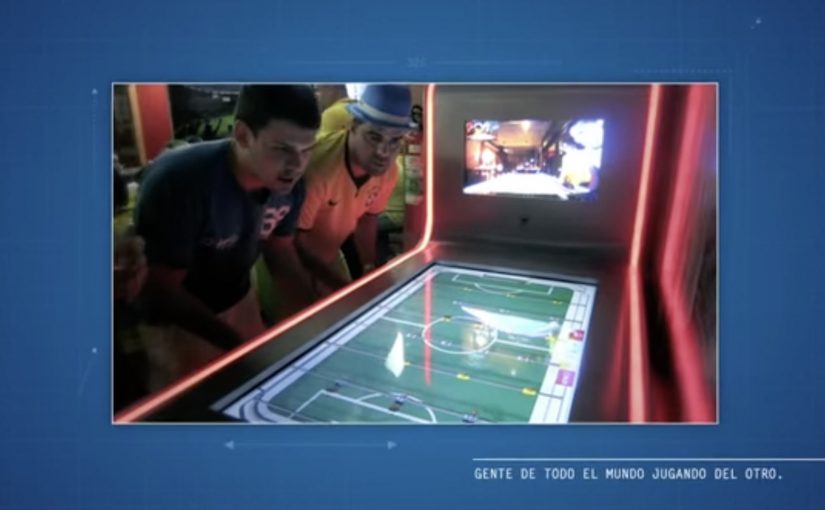
Quilmes and their agency +Castro reinvented the classic game of foosball. In its new version they enabled Argentinians and Brazilians to play each other in real time through a custom made digital foosball table.

Dubbed “Mitigol”, the activation turns foosball into a cross-border live match. One half of the table was placed in Argentina and the other half in Brazil. During the game, players could see their opponent via special in-built video cameras that further enhanced the real time experience of the game. As a prize, Quilmes gave away free beer.

How Mitigol works

The mechanism is a physical game with a digital bridge. A custom table syncs the ball and player movement across distance, while embedded cameras add face-to-face presence so it feels like a real match rather than a remote demo.

In sports and event-led marketing, shared-play installations can turn rivalry into participation because they give fans something to do together, not just something to watch.

Why it lands

This works because it makes a national rivalry tangible without needing a screen-first experience. Foosball already has competitive tension built in, so the cross-border connection raises the stakes instantly. The cameras then do the emotional work by proving the opponent is real, right now, reacting in real time.

Extractable takeaway: When you want “real time” to feel meaningful, do not rely on the word. Add one physical interaction that people already understand, then layer in live presence so the distance becomes the headline.

What Quilmes is really buying

The real question is how to turn passive rivalry into a shared act people want to join.

Beyond novelty, Mitigol is a closeness story. It borrows the energy of an event moment and converts it into a branded experience where the fan is the performer, not the spectator. The prize is just the nudge that keeps the line moving and the competition sharp.

What to steal from Mitigol

  • Start with a familiar game. If the rules are known, participation spikes.
  • Make distance visible. The split-table concept is the idea. Do not hide it.
  • Add live presence. Cameras or live feedback make “remote” feel human.
  • Reward the behavior you want. Small, immediate prizes keep throughput high.

A few fast answers before you act

What is Mitigol?

It is a custom foosball table experience that connects two locations so players in different countries can play the same match in real time.

Why split the table across Argentina and Brazil?

Because the physical split makes the cross-border rivalry concrete. It is instantly legible as “we are playing each other right now”.

What role do the built-in cameras play?

They add live presence and reaction, which makes the experience feel like a real opponent rather than a remote simulation.

What is the simplest way to copy the principle?

Take a familiar physical activity, connect it across distance with tight synchronization, then add a live human layer so the interaction feels personal.

What should you measure for an activation like this?

Participation volume, repeat play, dwell time, and how often spectators convert into players once they see it in action.
Foxtel: The Alert Shirt

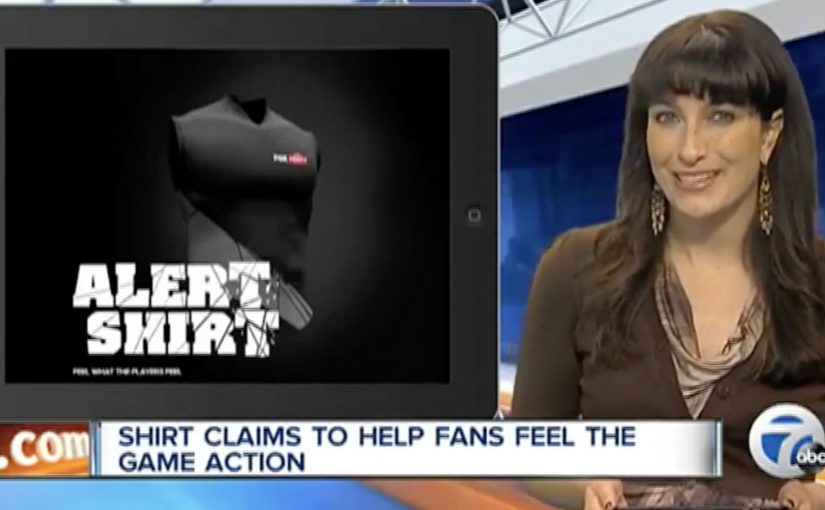
In September 2012, London fashion house CuteCircuit launched a wearable, sharable, programmable tshirt. Then in 2013, Durex Australia unveiled their wearable electronic underwear that allowed touch to be transferred over the internet. Now joining this growing trend of wearable electronic clothing is the Alert Shirt from Australian telecommunications company Foxtel.

Loyal Foxtel customers can use this special shirt to experience in real time some of the physical sensations their favorite players have on the field, including:

  • Pressure: A thumping heartbeat
  • Impact: The shock of a big hit
  • Adrenalin: An intense rush of blood
  • Exhaustion: Lungs burning with effort
  • Despair: A sudden sinking feeling

The data is transmitted via Bluetooth from smartphone app, and the shirt is powered by a lithium polymer cell battery.

From second-screen to second-skin

The mechanism is a clean translation layer. Live game moments are captured as data, the app receives them, and the shirt turns those signals into physical feedback. The experience is not about watching harder. It is about feeling the sport in parallel with the broadcast.

In subscription sports media, the strategic job is retention. The best fan experiences make the service feel like access to something you cannot get anywhere else.

Why it lands

This idea works because it turns fandom into a bodily cue, not just a viewing habit. It also frames “technology” as something you wear once, then forget. When it is working, the interface disappears and the sensation becomes the message.

Extractable takeaway: If you want to deepen engagement, do not add more features to the screen. Translate key moments into a new sensory channel that runs alongside the core experience, and make activation as close to effortless as possible.

What Foxtel is really testing

Beyond the spectacle, this is a trial of emotional stickiness. By emotional stickiness, the point is simple: give fans a stronger felt reason to come back for the live broadcast. The real question is whether that added intensity is strong enough to make Foxtel feel like the only place to experience the match properly. If the shirt can make a live match feel more intense at home, it creates a reason to watch live, to watch longer, and to choose the broadcast that supports the experience.

What sports broadcasters can steal from this

  • Design the sensation vocabulary. Map data to feelings in a way users can understand instantly.
  • Make the phone a bridge, not the destination. Use the app to pair and translate, then let the wearable carry the moment.
  • Keep the promise specific. Heartbeat, hit, exhaustion. Concrete signals beat vague “immersive” claims.
  • Build for live viewing. The value rises when timing is tight and the feedback feels synchronous.

A few fast answers before you act

What is the Foxtel Alert Shirt?

It is a connected shirt that receives live match signals via a Bluetooth smartphone app and converts them into physical sensations so fans can feel key moments in real time.

What problem does it solve for a broadcaster?

It makes the broadcast feel exclusive and more emotionally intense, which can support loyalty and repeat live viewing.

Why use physical sensations instead of more on-screen stats?

Because sensations do not compete with the main viewing experience. They add a parallel layer without asking the fan to look away.

What makes this kind of wearable feel credible?

Clear mappings between events and sensations, low setup friction, and tight timing so feedback feels connected to the moment.

How can another brand apply the pattern?

Choose a live experience with high emotion, capture a small set of meaningful signals, then translate them into a simple, repeatable sensory vocabulary.

Hemoba and Vitória FC: My Blood Is Red and Black

The state of Bahia was experiencing a shortage of blood. To raise awareness of this problem and increase the blood reserves, Hemoba Foundation (Blood Foundation) in Brazil partnered with Bahia football club Esporte Clube Vitória to run a unique blood donation drive.

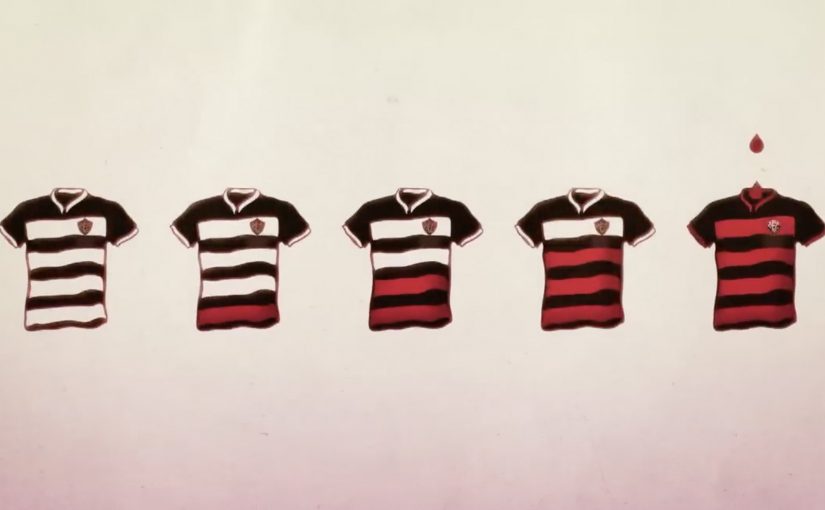
For the campaign, the football club changed the stripes of their iconic jersey from red to white. Then over the course of the season as the blood reserves rose, the team slowly changed the white stripes back to the original red.

As a result, the promotion is reported to have helped raise blood donation by 46%.

A club kit that doubles as a public scoreboard

This is a blood drive that refuses to stay in the background. Instead of asking people to donate “because it is important”, it turns the most visible symbol of the club into a live indicator of how the state is doing. This is a stronger behavior-change design than a standard awareness appeal, because the public scoreboard sits inside club identity.

How the stripe mechanic works

The mechanism is one clean promise. Remove the red from Vitória’s shirt, then bring it back only as blood reserves recover. Every step of progress becomes legible in the one place fans naturally look, the team’s colors.

In sports-led community campaigns, changing a core identity asset works because it creates a shared metric that everyone can track without explanation.

Why this lands beyond typical charity messaging

Most donation drives rely on abstract need. This one makes need visible and slightly uncomfortable, because fans are confronted with “missing red” every match week until they act. It also flips motivation from guilt to pride, because the act of donating becomes a way to restore the club’s full identity.

Extractable takeaway: If you need sustained participation, attach the cause to a symbol your audience already protects. Then turn progress into a public, binary signal that updates over time.

What the partnership is really doing

The campaign aligns incentives. The real question is how to turn a one-time act of goodwill into a shared public ritual that people keep joining. Hemoba gets reach and urgency without buying attention in the usual media sense. The club earns meaning and publicity by making its platform materially costly, because it “gives up” part of its kit until the community responds.

What to steal for your next behavior-change campaign

  • Make the metric visible. People act more when they can see progress, not just hear appeals.
  • Use a symbol with real emotional ownership. Identity assets beat posters, because people notice when they change.
  • Turn donation into restoration. “Bring something back” is often more motivating than “add something new”.
  • Design for weeks, not a day. A season-long mechanic sustains attention and creates multiple decision moments.

A few fast answers before you act

What is “My Blood Is Red and Black”?

It is a blood donation campaign in Bahia, Brazil, where Hemoba partnered with Esporte Clube Vitória and used the team jersey’s red stripes as a visible indicator tied to blood reserves.

How did changing the jersey drive donations?

By removing the red stripes and gradually restoring them as reserves improved, the campaign turned blood supply into a public signal that fans could track across the season.

Why does sports identity work for public health?

Because club colors, rituals, and match-week attention are already shared and emotionally charged. The campaign borrows that energy and redirects it into a concrete action.

Why is this stronger than a standard awareness appeal?

Because it does not ask people to care in the abstract. It makes the shortage visible through a symbol fans already watch, defend, and want restored.

What is the transferable principle here?

Make progress tangible. Link participation to restoring a valued symbol, and keep the feedback loop running long enough for people to join when they are ready.