
Heineken Star Player

Heineken Star Player

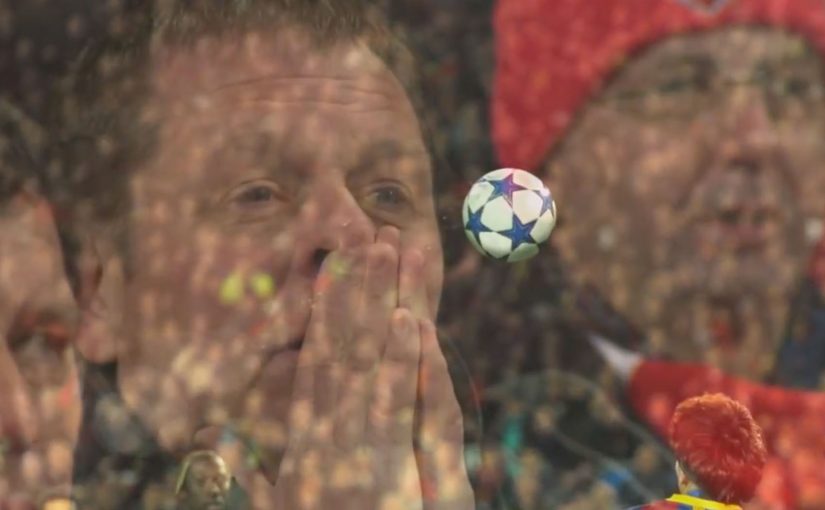
The UEFA Champions League attracts massive global audiences, and a large share of fans watch matches at home. Heineken’s release references over 150 million TV viewers watching live UCL coverage per match week in 220+ territories. Heineken and AKQA used that context to build Heineken StarPlayer, a dual-screen app designed to let fans interact in real time with the nail-biting action.

With StarPlayer, fans play along live on desktop and mobile by anticipating what will happen in key match moments, in real time. The promise is simple. Turn passive viewing into a competitive layer of predictions, banter and shared tension.

What StarPlayer actually adds to the match

The mechanic is built around micro-moments. Here, “micro-moments” means the short, repeatable windows where a single prediction fits without pulling you away from play. Corners, free kicks, penalties, shots, and short time windows where a fan can commit to a forecast. If you are right, you gain points. If you are wrong, you lose ground. The point is not the points. The point is sustained attention and social comparison. Because each forecast is time-boxed and resolved by the next play, the loop creates tension and keeps fans scanning for the next peak moment.

In sports sponsorship, the hard part is not reach. It is converting 90 minutes of attention into 90 minutes of participation.

In global sports sponsorships, the scarce resource is not exposure, it is credible participation during the live window.

The real question is whether you can turn the second-screen reflex into a ritual that heightens the match instead of competing with it.

Why the dual-screen idea fits the way fans really watch

StarPlayer leans into two truths. First, a lot of fans watch at home rather than in stadiums. Second, many are already using a second device during the match, either to check stats, message friends, or follow commentary. StarPlayer turns that second-screen habit into a structured game loop. It also respects viewer control. You can engage in bursts, choose the moments you want to play, and keep your focus on the match while the phone or laptop becomes your companion layer.

Extractable takeaway: If your audience already second-screens, convert that habit into one-tap decisions tied to predictable peaks, so the companion layer adds tension without stealing attention from the main screen.

What the brand is really buying

Heineken positions StarPlayer as “made to entertain” applied to sport viewing. The business intent is to make the sponsorship feel like an experience, not just a logo. If the brand becomes part of the ritual, it earns recall that is tied to real match emotions, not ad breaks. This kind of activation is worth doing only when it becomes part of the viewing ritual, not an interruption layered on top.

The work later earns major industry recognition. Heineken Star Player is listed as a Cyber Gold Lion (Mobile) at Cannes Lions, credited to AKQA London.

Steal the second-screen prediction loop

  • Design around predictable peaks. Build interactions for moments people already lean forward for.
  • Keep the loop lightweight. A decision in seconds beats anything that competes with the main screen.
  • Make it social by default. Rivalry, banter and comparison are the fuel. Solo play is the backup.
  • Optimise for “stickiness”, not clicks. The win condition is returning to the second screen again and again during the match.

A few fast answers before you act

What is a “dual-screen” experience in sports marketing?

A dual-screen experience is when the main content stays on TV, while a phone or laptop adds a companion layer. The second screen can enable play, prediction, stats, chat, or rewards without interrupting the match.

Why do prediction mechanics work especially well in live sport?

Because sport is already a sequence of uncertain outcomes. Predictions let fans externalise their gut feel, then get instant feedback, which creates tension and repeat engagement.

What is the simplest version of Star Player a brand could copy?

Pick 5 to 10 repeatable match moments. Create one-tap predictions with a short countdown. Score it. Add a friend leaderboard. Keep everything playable in under five seconds.

How do you avoid the second screen distracting from the match?

Design for bursts. Keep interactions tied to natural pauses or peak moments. Use quick taps, not typing. The TV remains the hero.

What metrics matter for a second-screen activation?

Time-in-experience per match, repeat participation across matches, and social play rate. For brand outcomes, track recall and sponsorship attribution uplift, not just installs.
Miami Ad School: Three Student Concepts

Miami Ad School: Three Student Concepts

Three student concepts that show their thinking in one move

This year Miami Ad School has produced a run of strong conceptual projects from current students. Here are three that stand out because each one has a clear mechanic and a crisp “why this brand” fit. Here, the mechanic means the one user action and system response that make the concept work.

What makes these concepts travel

Each idea takes a familiar behavior. Choosing food, correcting spelling, inviting friends. Then it adds a single interaction rule that turns the behavior into a branded moment. It is not “advertising about a thing”. It is an experience that demonstrates the thing.

McDonald’s Burger Roulette App

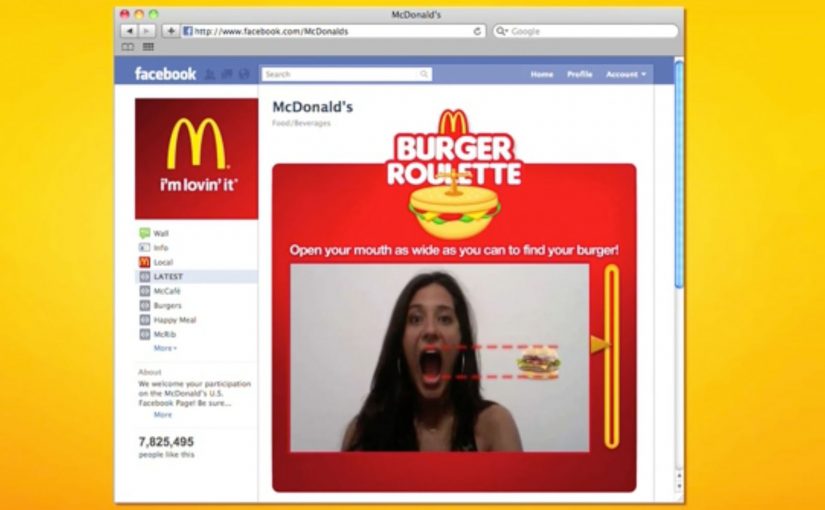
This student concept is designed as a Facebook app that helps you find the “perfect” McDonald’s burger for your mouth. The premise is playful decision support. You answer a few prompts, the system narrows your choice, and the brand becomes the helpful guide instead of a menu you skim and forget.

UNICEF Donate A Word

This student concept proposes a new way to donate for child education by using the spelling feature inside Google Chrome. When a misspelled word is flagged, the prompt becomes a donation trigger, turning a small everyday friction into a small everyday contribution.

In portfolio-driven creative education, concepts like these matter because they show whether a student can turn brand strategy into a usable interaction, not just a line of copy.

Heineken Invite

This student concept uses a social-media-connected bottle opener that invites friends over for a beer. The social mechanic is competitive. Whoever has the most friends attending earns a free case of Heineken, turning “opening a beer” into an invitation ritual and a reason to gather.

Why it lands

All three ideas share the same advantage. They make the brand useful inside a moment people already have, rather than interrupting people to talk about the brand. The mechanic is the message, and the interaction is simple enough that you can explain it in one sentence without killing the effect. That works because a visible rule lets people grasp the idea instantly and connect the payoff to the brand.

Extractable takeaway: Build concepts around one native behavior and one immediate response. If the “rule” is explainable in a sentence and demonstrable in a clip, the idea will be remembered, and repeated.

The real question is whether the interaction makes the brand promise visible without extra explanation. The strongest student concepts are the ones where the interaction itself carries the branding work.

What brand builders can take from these student concepts

  • One behavior, one rule. Keep the mechanic tight. Complexity kills concept believability.
  • Make the brand the enabler. The best student concepts position the brand as the thing that makes the moment better, not the logo that arrives at the end.
  • Design for quick demonstration. If you cannot show it in 10 seconds, it will not spread beyond the pitch.
  • Payoff matters. Personal recommendation, effortless giving, or a social reward. The user needs a reason to do the action.

A few fast answers before you act

What is the common pattern across these three concepts?

Each turns a familiar action into a branded interaction rule with an immediate payoff, making the experience feel like proof rather than promotion.

Why are student concepts often framed around apps or gadgets?

Because interfaces make mechanics visible. You can show input, response, and reward quickly, which makes the idea easy to understand and easy to share.

What makes a concept like “Donate a Word” compelling?

It piggybacks on an existing habit and converts a tiny, repeated behavior into a tiny, repeated donation moment, which feels effortless and scalable.

What is the main risk when brands try to build ideas like this for real?

Friction. If the mechanic is not instant and obvious, people will not complete it in the real world, even if it looks great in a concept film.

What’s the single best takeaway for marketers reviewing student work?

Look for concepts where the mechanic expresses the brand promise without extra explanation. If the interaction itself makes the point, the idea is strong.

Heineken Italy Activation

Heineken Italy Activation

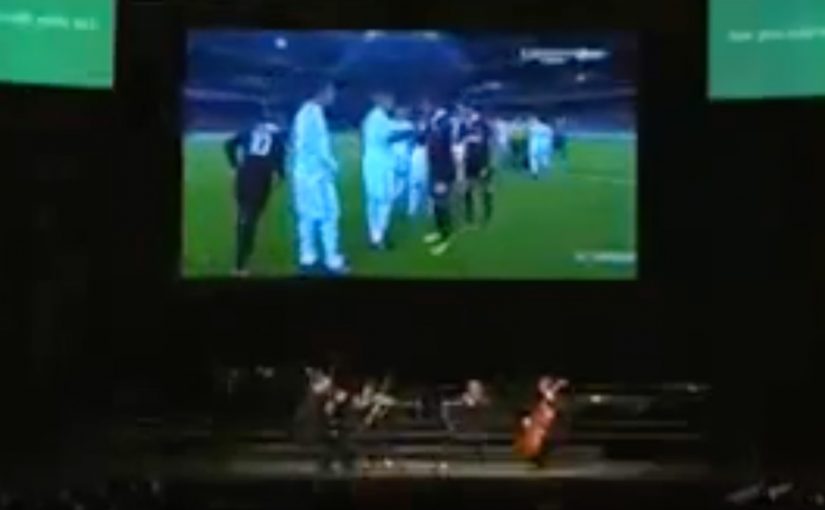
One of the most sacred moments for a lot of guys is watching football with friends. But as time goes by, that moment is increasingly at risk. So Heineken, with the help of ad agency JWT Italy, decided to remind their audience of what is at stake, right on the evening of a UEFA Champions League match: Real Madrid vs AC Milan.

A prank built around a real tension

The craft here is that Heineken does not try to “own football” with another sponsor message. It stages a situation that dramatizes the threat to the ritual, then resolves it in a way that feels like a reward for fans.

How the activation works

In simple terms, this is an activation. That is an in-person experience designed to trigger conversation, participation, and earned sharing, not just impressions.

The setup plays on a familiar dynamic. Partners and friends pull football fans away from the match with an alternative plan, then the brand flips the evening by revealing the game and turning the “loss” into a surprise watch party moment.

In European football culture, match nights are one of the last reliably shared rituals. Brands that win here do it by protecting the ritual, not interrupting it.

Why it lands

This works because it is built on empathy. It starts with a truth about modern life and competing plans, then turns the brand into the friend who restores the moment. It is entertainment with a clear social payoff, not entertainment for its own sake. The real question is whether your brand can credibly protect the ritual instead of borrowing its attention.

Extractable takeaway: If you can turn a threatened shared moment into a felt relief, the brand earns a role people want to talk about, not just a logo people saw.

A useful way to phrase the mechanism is this. If you can make people feel you defended their time with their friends, they will remember you differently than a logo on a perimeter board.

Business intent: earn affinity, then earn retell

Heineken is not just chasing attention. It is buying a story that people want to retell the next day. That story carries the positioning in a way a standard spot cannot. Heineken. Made to entertain.

Steal this for ritual-protecting activations

  • Start with a threatened ritual. If the audience feels a real loss, the payoff lands harder.
  • Make the brand the rescuer, not the interrupter. The reveal should feel like relief, not a sales pitch.
  • Design for retelling. If a friend cannot explain it in 20 seconds, it will not travel.
  • Let the product stay in the background. The memory is the asset. The label is just the signature.

A few fast answers before you act

What is an “activation” in marketing terms?

An activation is a designed experience, often live or in the real world, that drives participation and sharing. Its output is conversation and earned media, not only paid reach.

Why do ritual-based activations work so well?

Because rituals are emotionally protected. If a brand can credibly defend a ritual, it earns affinity that is hard to replicate with standard advertising.

What is the core mechanism in this Heineken example?

Create a credible threat to a valued moment, then flip it into a surprise payoff where the brand is the enabler of the restored experience.

What needs to be true for a prank activation to feel positive?

The audience must feel safe and rewarded at the end. The reveal has to resolve the tension quickly, and the outcome must be better than what they expected.

How do you measure success for this kind of work?

Look for retell signals and intent signals. Retell signals are evidence people repeat the story to others. Intent signals are evidence people take a next step, like searching, visiting, or asking where to buy.