A magazine you can only read in the dark
Publicis Germany created a cross-promotion for Lupine’s bike lighting system with BIKE Online Magazine that turns product use into the gatekeeper of content.
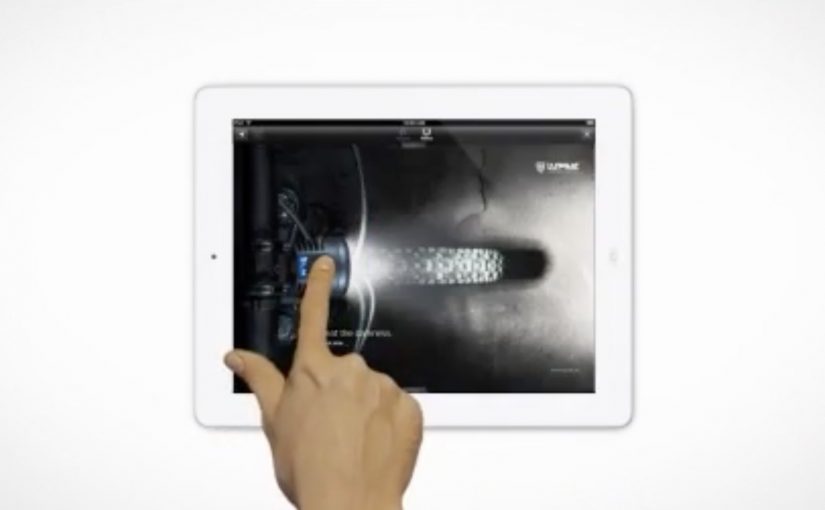
Subscribers could only read the magazine if they switched on a Lupine bike lamp. That simple constraint forces 100% attention onto the lamp because it is literally the way into the content. When readers shared the idea on social networks, their post distributed a link to a sneak preview where the lamp “illuminated” only a small part of the magazine. To read the full issue, users were prompted to order a trial subscription.
Click here to watch the video on the AdsSpot website.
The mechanic that makes it work
This is a clean attention trade. You get the content, but only if you demonstrate the product’s purpose in the moment you want to consume it. The campaign combines a physical trigger (the lamp) with a digital reward (magazine access), then uses sharing to distribute a constrained teaser that naturally pushes people toward the trial subscription step.
In enthusiast categories, tying media access to product behavior is a reliable way to turn curiosity into a demonstration people complete without being asked twice.
Why it lands
It does not ask you to “notice” a product. It makes the product the condition for progress. That flips advertising from interruption to utility, and it also reframes the lamp from a spec-sheet item into a felt experience: bright enough to read, controllable enough to focus, and instantly associated with the moment cyclists actually need light.
Extractable takeaway: When a product’s value is experiential, build a rule that forces the audience to experience it in context, then let sharing distribute a teaser that proves the rule rather than describing it.
What Lupine is buying with the stunt
The immediate goal is obvious: attention and trial subscriptions. The deeper goal is mental availability. The real question is how to make product use inseparable from the value people already want. Once “light equals access” is planted, the lamp is no longer a commodity accessory. It becomes the enabler of something people already value, and that is a stronger buying cue than another brightness claim.
The execution is also the kind of idea awards juries like because the medium and the message are welded together. It is listed with awards recognition including Cannes Lions Mobile Lions Bronze (2013) and The One Show Interactive Merit (2014).
What to borrow from Lupine’s access rule
- Make the product the permission slip. If you can gate a valued experience with the product’s real function, you remove the need for persuasion copy.
- Ship a “teaser mode” for sharing. Constrain the preview so it demonstrates the idea, then let curiosity do the rest.
- Pick a partner with built-in habit. BIKE readers already have a reason to open the magazine. Your job is to attach your product to that routine.
- Keep the conversion step aligned. Trial subscription is consistent with “try it to unlock it.” Anything more complex would break the spell.
A few fast answers before you act
What is “The Brightest Online Ad” for Lupine?
It is a cross-promotion with BIKE Online Magazine where the magazine is only readable when a Lupine bike lamp is switched on, turning product use into the mechanism for accessing content.
Why does “lamp-gated reading” create 100% attention?
Because the lamp is not adjacent to the content. It is the condition for seeing it. The user must interact with the product to continue.
What role does social sharing play in the concept?
Sharing distributes a constrained preview that demonstrates the idea while withholding the full experience, which naturally pushes interested people toward the trial subscription prompt.
What’s the transferable principle for other brands?
When your product’s value is best understood through use, make it the enabler of something the audience already wants, and let the enabling action become the message.
What would be the common failure mode of copying this?
Gating something people do not care about, or adding friction that feels punitive. The gate must feel like a fair trade, not a trap.