
AIDES: A Life

AIDES is described as a leading association in the fight against HIV/AIDS in France and Europe, with a long-running focus on both rights and prevention.

One of its prevention messages is delivered through a short film by TBWA\Paris called “A Life.”

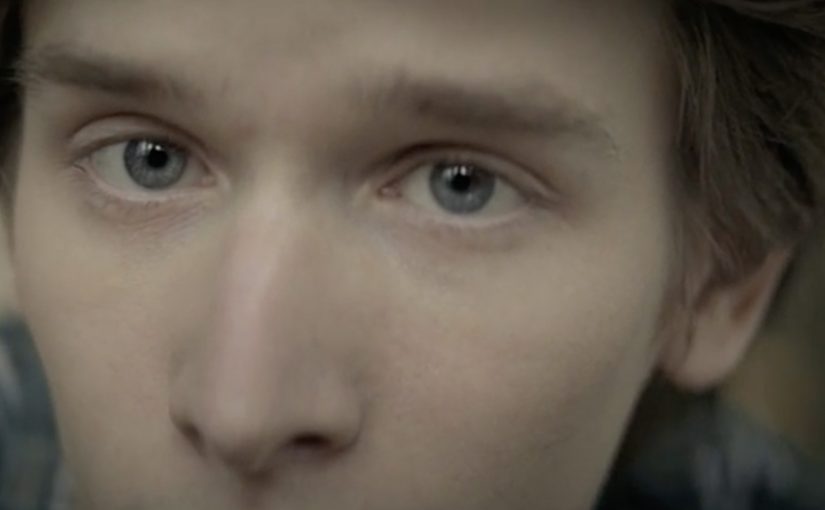
A life story told in reverse

The film is structured as a life narrated backwards. It starts with old age and rewinds through the expected milestones. Family, love, travel, the sense of a full life. Then the rewind lands on a single moment in youth where HIV enters the story, and the future we just witnessed is revealed as the life that will not happen.

In public-health communications, prevention messages compete with fatigue and stigma, so narrative devices have to create attention without sounding like a lecture.

Why the reversal hits harder than a warning

The real question is how to make a familiar prevention warning feel personal enough to interrupt complacency.

Instead of describing risk, the spot makes the consequence legible as absence. It turns prevention from “avoid a bad outcome” into “protect the life you think you are going to have.” The backwards structure keeps the viewer engaged because it feels like a human story first, and only becomes a prevention message at the moment the timeline snaps into focus.

Extractable takeaway: If your message is easy to ignore in abstract form, anchor it in a relatable future, then reveal the single preventable turning point that removes that future.

What the campaign is trying to change

The intent is not awareness of HIV as a concept. It is behavior. That is the stronger strategic move, because the film is built to influence a decision, not just to restate a known risk. Use protection, and treat the decision as something that safeguards years, not minutes. The creative also avoids positioning people living with HIV as “other.” It focuses on a moment anyone can recognize. A choice made early that reshapes everything later.

What to steal for prevention and behavior-change work

  • Start with a human narrative. Let the viewer lean in before you reveal the message.
  • Make the consequence concrete. Show what disappears, not just what might happen.
  • Link the call-to-action to identity. “Protect your life” often motivates more than “avoid a disease.”
  • Use one clear turning point. A single, memorable moment is easier to recall than a list of risks.

A few fast answers before you act

What is the core creative device in “A Life”?

A backwards life narration that rewinds from old age to youth, then reveals the preventable moment where HIV changes the future that was just described.

What behavior is the film trying to encourage?

Prevention, especially the consistent use of protection, by reframing it as protecting your future rather than reacting to fear.

Why does telling the story in reverse work?

It sustains attention and makes the twist meaningful. The viewer first invests in a life they recognize, then understands what is at stake when that life is taken away.

What should a marketer avoid when using a similar approach?

Over-explaining the moral. The power comes from the reveal. If you add heavy-handed copy, you reduce the emotional clarity the structure creates.

When is this structure a good fit?

When a prevention message is well-known but routinely ignored, and you need a fresh device that turns a familiar warning into a personal, memorable stake.
Kaiak: The Online Banner You Could Smell

A banner that refuses to stay “just digital”

Everyone loves cool ad executions, but some are clearly advertising for advertising people. This one shows up at exactly the right time. Award-show season.

The work comes out of Brazil for Kaiak, Natura’s men’s fragrance. Kaiak has been reformulated, and the brief is simple but brutal. How do you sell a new scent online when the one thing people want to do is smell it?

Click the banner. Get the scent.

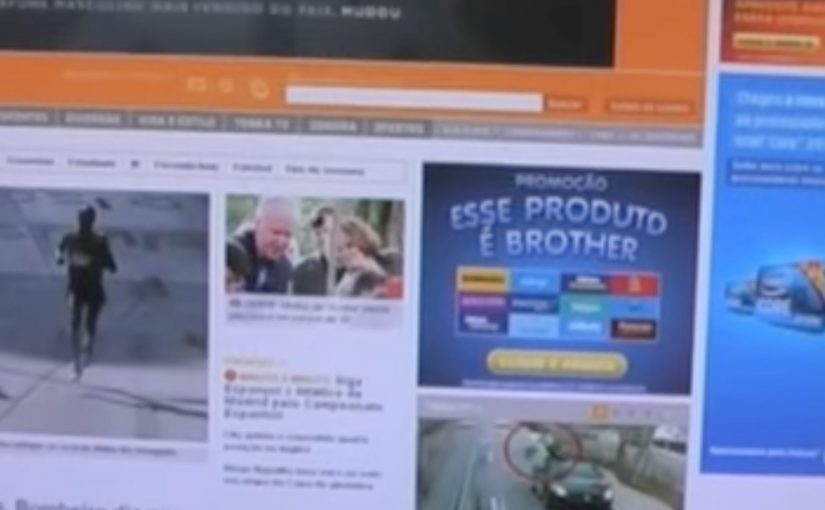
ID/TBWA solves it by building the missing sense into the media placement itself. Custom hardware is attached to computers in lan houses (cyber cafés) across Brazil. A special banner appears on the browser start page and reads, “The best selling men’s fragrance in the country just changed. Want to try it? Click this banner. It’s scented.”

When someone clicks, a scented strip physically emerges from the attached device. The digital impression turns into a real sample in the moment where “try” normally breaks down online.

In Brazilian urban markets where lan houses function as high-traffic digital hubs, turning a cyber café PC into a sampling machine creates mass trial without needing retail testers.

Why it lands: the medium becomes the product experience

The reason it works is not novelty alone. It removes the biggest barrier in fragrance e-commerce. Confidence. The real question is how you create purchase confidence for a sensory product when the screen cannot deliver the sensation. By turning the click into immediate sampling, the campaign makes the claim verifiable in the moment of intent, which is why it converts curiosity into trial. For sensory categories, the best digital work engineers a real trial moment, even if that means adding physical infrastructure. The click is not a promise. It is the delivery mechanism.

Extractable takeaway: If a product’s value depends on a sense the screen cannot deliver, redesign the media so “try” happens at the click, not after it.

The business intent: accelerate trial for a reformulated bestseller

This is a trial engine dressed as a banner. The goal is to reduce hesitation around change, create fresh talk value around “it’s different now”, and push people toward purchase with a sensory proof point that normal digital formats cannot provide.

How to make digital do something physical

  • Identify the missing sense. If the product relies on touch, smell, or taste, do not pretend pixels can replace it.
  • Build a credible “try now” moment. Sampling only works when the action and the reward are tightly coupled.
  • Choose distribution points with dwell time. Cyber cafés, waiting rooms, and shared devices can behave like miniature retail networks.
  • Keep the instruction brutally simple. The banner copy does not explain the tech. It explains the outcome.

A few fast answers before you act

What is the “scented banner” for Kaiak?

An online banner placed on cyber café computers that dispenses a physical scented strip when the viewer clicks, enabled by custom hardware attached to the PC.

Why build hardware for a banner campaign?

Because fragrance requires sampling. The hardware turns a digital click into immediate product trial, removing the biggest barrier to buying scent online.

What is the core mechanism?

“Try now” is built into the media unit. The banner instruction is simple, and the click triggers a physical delivery moment that proves the claim.

What does this teach about selling “sensory” products digitally?

If touch, smell, or taste drives purchase confidence, you need a credible bridge to real-world experience, not just better copy or imagery.

What is the most transferable takeaway?

Identify the missing sense, then engineer a sampling moment where action and reward are tightly coupled and instantly legible.

McDonald’s: Sleeping Baby

Exhausted new fathers count on McDonald’s and they will appreciate this nicely crafted McDonald’s spot by TBWA\Chiat\Day.

How the spot works

The real question is how you make the brand feel helpful in a fragile moment, without turning the scene into an ad.

The mechanism is a single, quiet objective. Keep the baby asleep. Every beat protects that constraint, which is why the brand can show up as the solution without needing to explain itself. This is strong work because it keeps the human tension in charge and makes the brand the enabler, not the headline. By “disciplined” execution, I mean no extra jokes, no explaining, and no sudden volume spikes that break the reality of the moment.

In mass-market consumer categories, small “life moment” stories like this can make a brand feel dependable without shouting.

Why this spot lands

The premise is instantly recognizable, and the execution stays disciplined. It leans on a real-life tension. Keep the baby asleep. Get what you need. Do not make a sound. That restraint is exactly what makes the humor feel earned instead of forced.

Extractable takeaway: When the audience already understands the tension, your job is to protect it. Hold back the message, and the brand benefit will feel discovered, not delivered.

  • Relatable truth first. The situation does the storytelling heavy lifting.
  • Craft over noise. The pacing and detail make the moment feel real.
  • Brand as helpful, not loud. McDonald’s shows up as the dependable solution in a small life moment.

What to take from it

If you can anchor the story in a lived-in human moment, you do not need to over-explain the product role. The viewer connects the dots, and the brand benefit feels natural rather than “sold”.

  • Pick one objective. Build every beat around a single constraint your audience instantly feels.
  • Let the brand enable. Show the brand solving the moment, not narrating its value.
  • Use restraint deliberately. Less copy and fewer “extra” jokes can increase believability and replay value.

A few fast answers before you act

What is the “McDonald’s: Sleeping Baby” spot?

It is a McDonald’s commercial credited to TBWA\Chiat\Day, built around the reality of exhausted fathers and the tension of not waking a sleeping baby.

Why is it effective advertising?

It starts from a universal situation and keeps the execution restrained, so the humor feels authentic and the brand role feels earned.

What is the transferable lesson?

Find one human truth your audience instantly recognizes, then let craft and timing deliver the payoff instead of relying on heavy messaging.

How does the brand show up without being intrusive?

By acting as the reliable enabler of a small win in the viewer’s day, rather than forcing a big claim or a loud punchline.

Who created the spot?

It is credited to TBWA\Chiat\Day.