
The Expendables: YouTube Takeover

The Expendables: YouTube Takeover

This is the latest campaign element for the launch of The Expendables movie. A YouTube takeover that plays like an “interrupted interview” with Sylvester Stallone, where the film breaks into the page and turns the platform itself into part of the spectacle. In campaign terms, a YouTube takeover is a custom page experience that changes how the video and surrounding interface behave, so the platform becomes part of the creative, not just the player.

The fun is in the escalation. What starts like a normal promo interview quickly flips into a chaotic on-page moment, with the surrounding YouTube environment becoming the canvas for the film’s tone. It is not just a trailer. It is a takeover that behaves like a scene.

When the page is the stage

The mechanic is simple to understand and hard to ignore. The interview drives the narrative, but the “takeover” is the real payload. The experience makes YouTube feel temporarily owned by the movie, which is exactly what you want on launch week when everything competes for attention.

It also sidesteps the usual ad fatigue problem. People do not feel like they are being “served” something. They feel like they discovered a disruption, and discovery is what drives sharing.

In blockbuster entertainment marketing, interactive takeovers work best when they turn passive viewing into a moment of viewer control that still feels native to the platform.

Why interruption works better than interruption marketing

Most pre-roll is an interruption that people resent. This is an interruption that people watch because it is designed as entertainment first. The twist is that the platform is part of the joke, so the format is the message. It also gives viewers a clean decision point. Keep watching because it is funny. Close it because you are not interested. Either way, the brand moment is delivered fast.

Extractable takeaway: If you must interrupt, make the interruption itself entertaining and easy to exit, so attention feels chosen instead of imposed.

What the studio is really buying

The business intent is talkability at scale. A standard trailer competes with every other trailer. A takeover creates a story about the trailer. That distinction is what earns press pickup and social forwarding without requiring extra explanation.

The real question is whether your launch asset creates a platform-native story people can retell in one sentence, not just another piece of media to skip.

For a short, noisy launch window, a platform-native takeover is the stronger play than adding more standard trailer impressions.

Short-window launch moves to copy

  • Make the format do the selling. If the medium changes, people lean in.
  • Build a one-sentence retell. “Stallone destroys YouTube during an interview” is easy to repeat.
  • Use escalation. Surprise, then bigger surprise, then payoff.
  • Stay platform-native. The takeover should feel like it belongs on that site, not pasted onto it.

A few fast answers before you act

What is a “YouTube takeover” in campaign terms?

It is a custom YouTube page experience that changes how the video and surrounding interface behave, so the platform itself becomes part of the creative, not just the player.

Why does the “interrupted interview” trope work so well?

Because it starts in a familiar format, then breaks the rules quickly. The contrast creates surprise, and surprise is the fastest path to attention and sharing.

What is the main advantage over running a normal trailer?

A normal trailer is content. A takeover is content plus a story about the content, which increases earned pickup and social forwarding.

What is the biggest risk with platform takeovers?

Annoyance. If the takeover feels forced, slow, or hard to exit, people turn against it. The experience needs to be quick, optional, and satisfying.

What should you measure for a takeover?

Completion rate, replay rate, and earned mentions. If people describe the mechanic accurately when they share it, the concept is working.
McDonald’s: Sleeping Baby

McDonald’s: Sleeping Baby

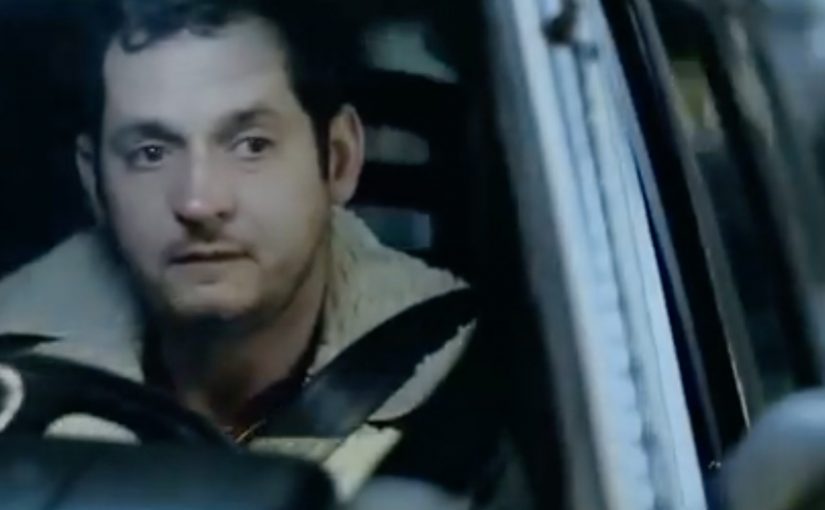
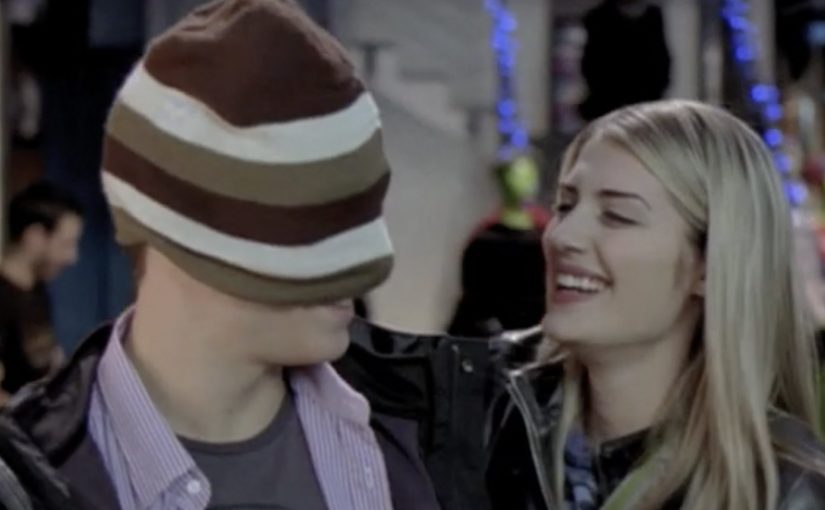
Exhausted new fathers count on McDonald’s and they will appreciate this nicely crafted McDonald’s spot by TBWA\Chiat\Day.

How the spot works

The real question is how you make the brand feel helpful in a fragile moment, without turning the scene into an ad.

The mechanism is a single, quiet objective. Keep the baby asleep. Every beat protects that constraint, which is why the brand can show up as the solution without needing to explain itself. This is strong work because it keeps the human tension in charge and makes the brand the enabler, not the headline. By “disciplined” execution, I mean no extra jokes, no explaining, and no sudden volume spikes that break the reality of the moment.

In mass-market consumer categories, small “life moment” stories like this can make a brand feel dependable without shouting.

Why this spot lands

The premise is instantly recognizable, and the execution stays disciplined. It leans on a real-life tension. Keep the baby asleep. Get what you need. Do not make a sound. That restraint is exactly what makes the humor feel earned instead of forced.

Extractable takeaway: When the audience already understands the tension, your job is to protect it. Hold back the message, and the brand benefit will feel discovered, not delivered.

  • Relatable truth first. The situation does the storytelling heavy lifting.
  • Craft over noise. The pacing and detail make the moment feel real.
  • Brand as helpful, not loud. McDonald’s shows up as the dependable solution in a small life moment.

What to take from it

If you can anchor the story in a lived-in human moment, you do not need to over-explain the product role. The viewer connects the dots, and the brand benefit feels natural rather than “sold”.

  • Pick one objective. Build every beat around a single constraint your audience instantly feels.
  • Let the brand enable. Show the brand solving the moment, not narrating its value.
  • Use restraint deliberately. Less copy and fewer “extra” jokes can increase believability and replay value.

A few fast answers before you act

What is the “McDonald’s: Sleeping Baby” spot?

It is a McDonald’s commercial credited to TBWA\Chiat\Day, built around the reality of exhausted fathers and the tension of not waking a sleeping baby.

Why is it effective advertising?

It starts from a universal situation and keeps the execution restrained, so the humor feels authentic and the brand role feels earned.

What is the transferable lesson?

Find one human truth your audience instantly recognizes, then let craft and timing deliver the payoff instead of relying on heavy messaging.

How does the brand show up without being intrusive?

By acting as the reliable enabler of a small win in the viewer’s day, rather than forcing a big claim or a loud punchline.

Who created the spot?

It is credited to TBWA\Chiat\Day.

Lacta: Love in Action

Lacta: Love in Action

Following the grand success of Lacta’s interactive film in November 2009, Kraft Foods and OgilvyOne Athens set out to create yet another integrated campaign for Lacta, Greece’s leading chocolate brand. This time, instead of producing another love story themselves, they set out to create one with their audience.

Kraft Foods and OgilvyOne crowdsourced a 27-minute branded-entertainment film, involving the audience in everything from writing to casting and styling the actors. Some even popped up as extras in the finished film. During filming, audiences were kept updated through the campaign blog, Facebook, Twitter, YouTube and Flickr.

Here is a 3 minute video case study on the same.

Then on Valentine’s Day the film was aired on Greece’s top TV channel and online, with great success.

What makes this more than “UGC”

The smart leap is that the audience is not just submitting stories. They are being pulled into the messy, high-signal parts of production. Decisions that normally sit behind closed doors. Casting, styling, and creative direction. That raises commitment, because participation shifts from “I sent something” to “I helped shape what shipped.”

In European FMCG branded entertainment, letting people influence production decisions can turn a single film into a sustained participation loop that runs for weeks, not minutes.

Why this lands

This works because it gives people a credible reason to keep coming back. Not to watch ads, but to follow progress, vote, debate, and see whether their influence makes the final cut. The film becomes the payoff, but the real engine is the journey. A public build, meaning a production process made visible as it develops, turns pre-release into its own entertainment.

Extractable takeaway: If you want long-lived attention, make the audience’s role structural, not decorative. Put participation into decisions that change the output, then publish visible progress so people feel their involvement has weight.

The commercial intent underneath

Lacta gets what a standard Valentine’s spot struggles to buy. Time, conversation, and emotional ownership at scale. The brand also stays relatively in the background, so the entertainment is allowed to carry the attention while the association builds quietly.

The real question is whether the audience is helping shape the asset or merely reacting to it.

What to borrow from participatory production

  • Open up real decisions. Voting on meaningful choices beats asking for comments.
  • Show progress publicly. Updates and behind-the-scenes keep momentum alive.
  • Let contributors appear in the output. Even small “extra” moments create powerful ownership.
  • Build a finale moment. A premiere date gives the whole participation arc a shared finish line.

A few fast answers before you act

What is Lacta “Love in Action”?

It is a crowdsourced branded-entertainment film initiative where audiences contributed to and influenced key parts of the production, from story and casting to styling.

What makes this different from a normal brand film?

The audience is involved before release and in decisions that shape the final output, so the build process becomes part of the entertainment.

Why run it across so many platforms?

Because production is a multi-week narrative. Different channels support different behaviours. Updates, voting, sharing, and behind-the-scenes participation.

Why is Valentine’s Day a strong launch moment?

The theme is culturally aligned with love stories, and the calendar creates a natural deadline and shared viewing moment.

What is the main risk when crowdsourcing content like this?

If participation feels cosmetic, people drop out. The audience needs visible proof that their input changes outcomes, and the process must be curated so quality stays high.