
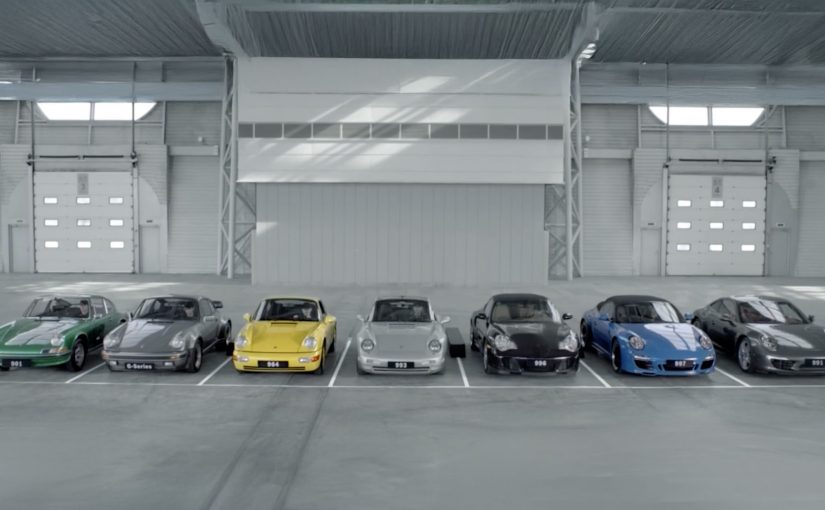
Porsche 911: Birthday Song

A birthday song plays. But the “instruments” are Porsche 911s. The film stitches together sounds from seven generations of the 911 and turns them into a celebratory tune that feels like performance heritage you can hear.

For the 50th anniversary of the Porsche 911, Fred & Farid Shanghai recorded the sound signatures across the model’s generations, then made them playable online via a musical keyboard. Fans can log in, tap keys, and compose their own tracks using real 911 audio samples.

A branded “sound keyboard” is a web interface that maps recorded product sounds to notes or keys, so people can create short compositions. It turns passive listening into viewer control, and that extra participation time is what drives recall and sharing.

In luxury automotive brand building, sound and craft cues often communicate performance credibility faster than specification copy ever can.

Reported results vary by source. One case write-up reports roughly 2.84 million video views over two months, and the keyboard being played about 1.86 million times worldwide.

Why this lands with Porsche fans

It does not explain the 911. It lets you “play” it. That is the emotional trick. The interaction makes the heritage feel accessible, and the sound makes it feel authentic. You are not learning history. You are using it.

What the campaign is really aiming to shift

In China, the anniversary becomes a brand-image move. It reinforces Porsche as a sports-car maker by leaning on the one asset competitors cannot copy easily. The 911’s recognisable sound character across generations.

What to steal for your own heritage-led activation

  • Turn heritage into a tool. Give people something they can do, not only something they can watch.
  • Use sensory proof. Sound is hard to fake and easy to remember.
  • Anchor interaction with a hero asset. The film gives the idea a “default” story, then the keyboard lets fans personalise it.
  • Make sharing inherent. Compositions are naturally shareable outputs. That is stronger than asking for shares.

A few fast answers before you act

What is the Porsche 911 Birthday Song campaign?

It is a 50th anniversary activation that records sounds from multiple 911 generations and turns them into two outputs. A hero “Birthday Song” film and an interactive web keyboard where fans can compose their own tunes.

Why use sound instead of visuals or specs?

Because sound carries performance identity instantly. It communicates emotional credibility and heritage without requiring technical explanation.

What makes the interactive keyboard more than a gimmick?

It creates participation time and personal output. When people make something themselves, they stay longer and are more likely to share. That improves memorability.

What business goal does this serve in China?

Strengthening Porsche’s sports-car credentials by making the 911’s heritage feel distinctive, modern, and culturally shareable.

What is the biggest execution risk with sound-led interactivity?

If the interface is slow or the sounds feel too similar, the “play” loop collapses. The experience needs immediate feedback and clearly different audio notes to feel satisfying.

World’s Toughest Job

Do you have what it takes to handle the World’s Toughest Job? Mullen, an advertising agency in Boston, posted online and in newspapers a fake “Director of Operations” job for one of their clients. With over 2.7 million impressions from the paid placement, the ad got only 24 people applicants.

These applicants were then invited for a video conference, where they were told that they had to work more than 135 hours per week, with constant mobility, keen coordination and adept communication. There would also be no breaks, no holidays, and no pay. The end result was very unexpected… 😎

Pepsi Max: Test Drive

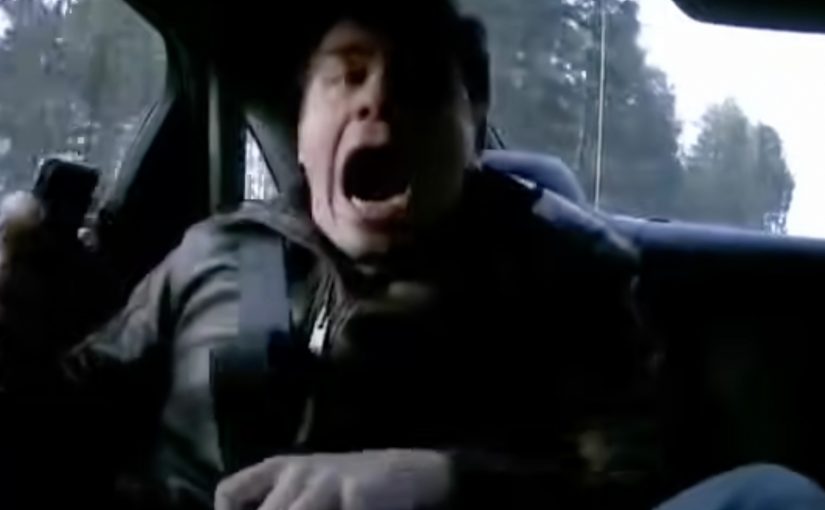
Last year in March, Pepsi Max along with professional stock car racing driver Jeff Gordon performed a prank on an unsuspecting car salesman by taking him on a test drive of his life…

The video since then got over 41 Million views on YouTube. Despite its viral success, automotive journalist Travis Okulski was not impressed and was pretty vocal in pointing out inconsistencies in the viral ad and calling it a fake.

So Jeff Gordon teamed up again with Pepsi Max to pull a similar prank on unsuspecting Travis Okulski, just to prove the authenticity of the original test drive video…

But even after all of that Travis Okulski is still not convinced and the video since its release last week has already gotten over 13 Million views on YouTube.

Why this became a two-part story

The first video worked because the premise is simple, the escalation feels real, and the payoff is pure reaction. But the moment it went viral, it also invited scrutiny. That is what makes the follow-up so interesting. The brand turned criticism into content by making the skeptic part of the narrative.

  • Viral hook. A familiar setting, then a sudden reveal of unexpected capability.
  • Credibility challenge. A public critique that reframed the conversation as “real or staged”.
  • Response as sequel. A second execution aimed at the critic to re-earn belief.

What to learn from the backlash

When stunts travel, authenticity becomes part of the product. If the audience starts debating “is it real”, the brand can either go silent or lean in. Pepsi Max leaned in and used the debate as fuel, which extended the lifecycle and kept attention anchored to the same brand platform.


A few fast answers before you act

What is Pepsi Max “Test Drive” with Jeff Gordon?

It is a prank-style stunt video where Jeff Gordon takes an unsuspecting car salesman on an extreme test drive, created as part of Pepsi Max’s viral entertainment approach.

Why was there controversy around the first video?

An automotive journalist publicly pointed out inconsistencies and argued it was staged, which sparked debate about authenticity.

Why did Pepsi Max do a second video?

To address the credibility debate directly by repeating a similar stunt and making the outspoken critic part of the execution.

What is the transferable pattern for viral campaigns?

Expect scrutiny, especially when the content looks “too good”. If doubt becomes the story, design a credible sequel that engages the criticism rather than ignoring it.