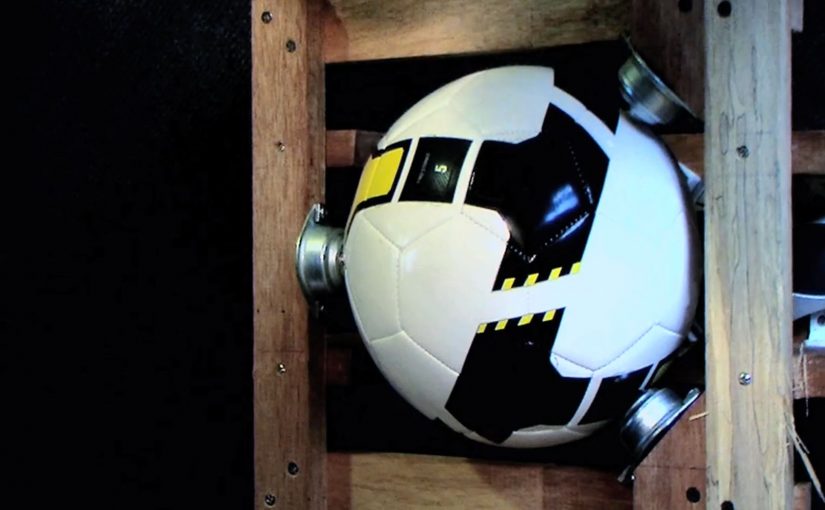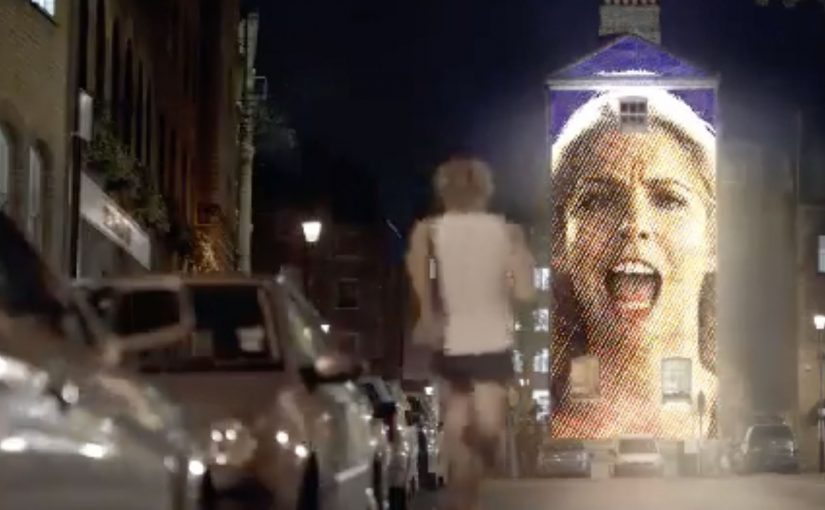
Training for the Olympics is tough, so Cadbury has come up with its loudest campaign to date: Keep Our Team Pumped. Here, supporters of the Great Britain Olympics team can sing a series of motivational, iconic power anthems to keep their team motivated during long training sessions ahead of the big event in 2012.
In plain terms, this is a crowdsourced music campaign: Cadbury gives the nation a set of recognisable “power” tracks, then turns public participation into fuel for Team GB, and into media for the sponsor.
Cadbury is set to release six tracks over the next seven months, culminating in a finale in March 2012 featuring a medley of all six songs created by the British public, plus a performance to Team GB athletes in London.
The Final Countdown
Simply the Best
The integrated campaign involves recruiting singers through social media, followed by a TV campaign airing on 3rd October and running for 6 weeks. There is also radio partnership activity, events, and digital media, with extra support on-pack and in-store, rallying the British public to keep singing.
The fans could follow it all at www.keepourteampumped.com.
In global FMCG sponsorship marketing, this approach works because it turns passive support into an action people can do in under a minute, then reuses that action as campaign content across channels.
The real question is whether your sponsorship can give people a repeatable one-minute action that feels like support, not like homework.
Why music is such a strong sponsorship mechanic
Music is a shortcut to emotion and memory, especially when the songs are already culturally “loaded.” If you pick anthems people instantly recognise, you lower participation friction and increase the chance they will share, remix, or join in again when the next track drops.
Extractable takeaway: If you need mass participation over time, start with a culturally familiar format so the effort is in joining, not in learning what to do.
For a multi-month sponsorship, I would choose a familiar-anthem format over inventing a brand-new mechanic every time, because recognition keeps the participation loop light.
What Cadbury is really building ahead of 2012
At the surface, it is motivation for athletes. Underneath, it is a sponsor-owned participation platform that can run on TV, radio, digital, on-pack and in-store without needing a new idea every week. By “participation platform,” I mean a repeatable participation flow plus reusable assets that can run across channels without reinventing the mechanic. Each track release is a fresh moment, and the public contribution keeps it feeling like a national project rather than a one-off ad.
How to structure a multi-month participation campaign
- Use a repeatable content format. Six tracks. Same mechanic. New moment each time.
- Make participation obvious. One clear action, one clear outcome, then show people what happens next.
- Design for channel handoffs. Social recruitment feeds TV and radio, which then sends people back online.
- Turn the finale into a payoff. If you ask people to contribute for months, the end needs to feel earned and public.
A few fast answers before you act
What is Keep Our Team Pumped?
It is a Cadbury campaign that invites the British public to record and contribute motivational “power anthem” performances intended to keep Team GB energised during training ahead of London 2012.
How does the campaign mechanic work?
Cadbury releases a sequence of tracks, recruits singers via social media and other channels, then builds toward a final medley performance assembled from public contributions.
Why release the campaign in tracks instead of one big launch?
Staggered releases create repeat attention peaks, give people multiple chances to participate, and keep the campaign fresh across months without changing the core idea.
What channels does this kind of campaign need to work?
You need an online hub for participation, plus at least one mass channel to drive scale and a retail layer to convert awareness into purchase at shelf.
What is the biggest risk with crowdsourced music campaigns?
If the participation flow is awkward or unclear, contributions drop fast. The format only sustains if it is easy to join and people feel their input is genuinely used.