
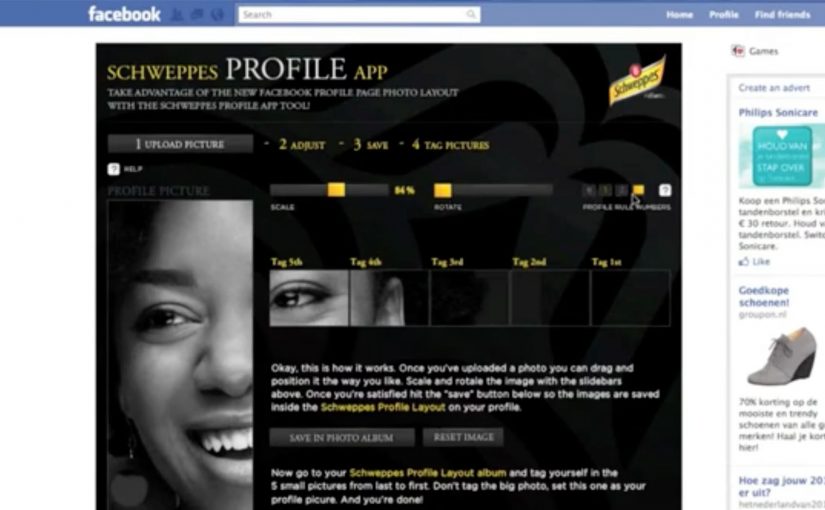
The Schweppes Facebook Profile App

The Schweppes Facebook Profile App

You want a standout Facebook profile, but you do not have Photoshop skills. Schweppes solves it with a Profile App that helps you build a polished new profile design in minutes, using simple templates instead of design tools.

What changed on Facebook that triggered this

Facebook rolled out improvements to the profile experience that made it easier to tell your story and learn about your friends. Creative people quickly started experimenting with the new profile design, turning profiles into personal canvases.

What did Schweppes build

That wave inspired Schweppes to develop the Schweppes Profile App on Facebook. It gave anyone who did not have Photoshop skills, and does not have much time, a way to create a great new profile.

On social platforms where the profile itself is part of how people present themselves publicly, the strongest brand utility is the one that makes visible self-expression easier.

The real question is whether the brand can make a rising social behaviour easier to join without making the experience feel like advertising.

Why this is a smart brand move

This is a smart brand move because it provides a service that becomes increasingly popular as the trend catches on. Templates matter here because they turn a design behaviour into something ordinary users can complete quickly, which is why Schweppes gets used inside the trend instead of interrupting it from the outside.

Extractable takeaway: When a platform change creates a new expression trend, the most effective branded response is often a simple utility that removes skill and time barriers so more people can participate.

What Schweppes is really buying

The business intent is not just profile creations. It is to link Schweppes to an emerging Facebook behaviour at the moment people are actively shaping how they appear to others, which gives the brand relevance through participation rather than message repetition.

What to steal if you build branded social tools

  • Ship a tool that helps people express themselves. Identity improvements get repeated use because the user cares about the output.
  • Ride an emerging behaviour with utility, not messaging. When a platform change sparks a trend, a simple enabler scales faster than a campaign claim.
  • Make quality accessible for non-experts. Templates turn “I need skills” into “I can do this in minutes”.
  • Measure what stays live, not just what gets tried. Adoption is about how many people keep the output active and visible to others over time.

A few fast answers before you act

What is the Schweppes Facebook Profile App?

It is a branded Facebook app that helps people create a customised profile look without needing Photoshop or design skills.

Why does this work as content people actually use?

Because the output is identity-based. People are motivated to improve how they present themselves, so a tool that makes it easy gets adoption.

What is the core pattern to copy?

Spot an emerging behaviour, then ship a simple tool that helps people do it better. The brand earns attention by enabling, not interrupting.

Why does accessibility matter more than creative polish here?

Because the idea scales only if ordinary people can complete it quickly. Templates beat complexity when the goal is broad participation, not elite design output.

What should you measure if you run something similar?

Creations completed, share and usage rate, how many people keep it live, referral loops from friends viewing profiles, and repeat usage over time.
Claro: Ringtowns

Claro: Ringtowns

Turning coverage into something people can carry

Claro is one of the leading telecommunications companies in Guatemala and it faces a constant struggle to combat negative perceptions of their network coverage. So Ogilvy Guatemala created a campaign to counter these perceptions and communicate the wide coverage of Claro by involving consumers through their cellphones.

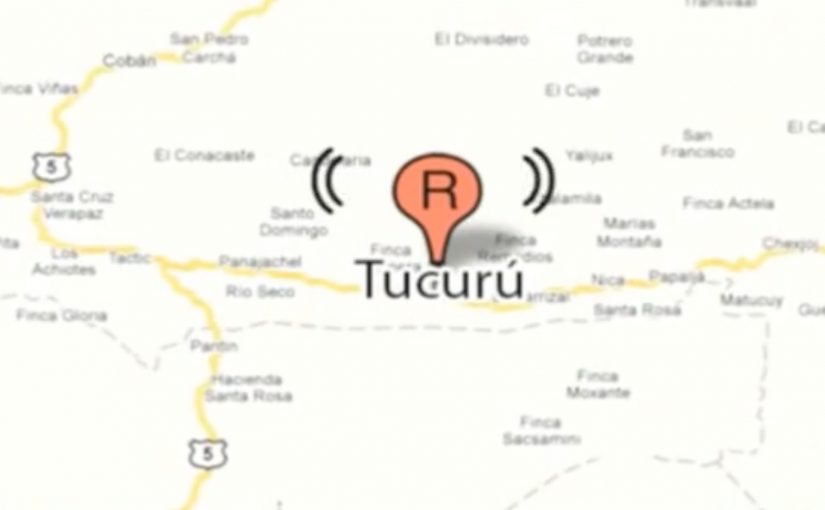
Imitating the sound of the traditional ringtones they communicated the names of towns and remote communities in the country. The campaign “Ringtowns” was based on local realities in Guatemala to create a strong sense of identity and pride, while communicating the wide coverage of Claro in an innovative manner. In the campaign, each “Ringtown” is a downloadable ringtone that encodes a town or community name into the audio, so the place name itself becomes the message.

The mechanic: make a town name sound like a ringtone

The product here is not a poster or a banner. It is a piece of audio people choose to install. Each ringtone is designed to sound like a familiar phone ring while “saying” a place name, so the coverage claim becomes something you hear repeatedly in daily life.

A “Ringtown” is a downloadable ringtone that encodes a specific town or community name into the audio, so the location itself becomes the message.

In telecom categories where coverage is questioned, making the proof travel through personal devices can outperform traditional persuasion because it shows up in real social moments.

In emerging-market telecom markets, coverage trust is shaped as much by social stories as by technical maps.

Why it lands: social proof disguised as personalization

The real question is whether you can make a skeptical coverage claim feel like a personal identity choice, not corporate reassurance. This works because it turns a skeptical claim, “We cover remote places,” into a personalized choice. If I download a ringtone that represents my town, then every time my phone rings in public, it signals both identity and reach. That shift turns the coverage narrative from a corporate statement into a consumer-owned artifact that other people hear.

Extractable takeaway: When an attribute is distrusted, package the proof as a personalized utility people choose, keep, and replay in public.

What Claro is really buying with this format

This is an awareness campaign that behaves like distribution. Downloads create repeat exposures. Call events create additional impressions. Sharing extends reach without extra media spend. An opt-in utility is a stronger lever than another coverage-map ad because repetition is user-chosen and public.

Most importantly, it reframes “coverage” from a technical map into a cultural map. Names and pride replace bars and statistics.

Design moves that make proof portable

  • Make the message a utility. If people can use it daily, frequency is built in.
  • Use identity as the opt-in. People adopt things that say something about where they are from.
  • Design for public replay. Ringtones happen around other people, which makes the message audible and social.
  • Keep distribution simple. Website download and text message fulfillment reduce barriers.

A few fast answers before you act

What is Claro’s Ringtowns campaign?

It is a mobile campaign that turns town and community names into ringtone-style audio. People download the ringtones, and every incoming call becomes a small, repeated reminder of Claro’s coverage.

How does it communicate network coverage without showing a map?

It uses place names as the proof. By turning remote locations into ringtones, the campaign suggests breadth of coverage through cultural recognition rather than technical claims.

Why is the ringtone format powerful for marketing?

A ringtone is repeated, public, and chosen by the user. That combination creates high frequency exposure with built-in social visibility.

What is the key participation mechanic?

Users download one of the “Ringtowns” from the Claro website or request it by text message. Installation is the commitment step that creates ongoing exposure.

What is the biggest risk if you copy this idea?

If the audio is annoying or the payoff feels unclear, people will not keep it installed. The artifact has to be genuinely usable, not just clever once.

Spanair: Unexpected Luggage

Spanair: Unexpected Luggage

On December 24th the flight from Barcelona to Las Palmas arrived close to midnight. 190 people were flying while everyone else celebrated Christmas Eve. Spanair decided to do something special for those 190 passengers.

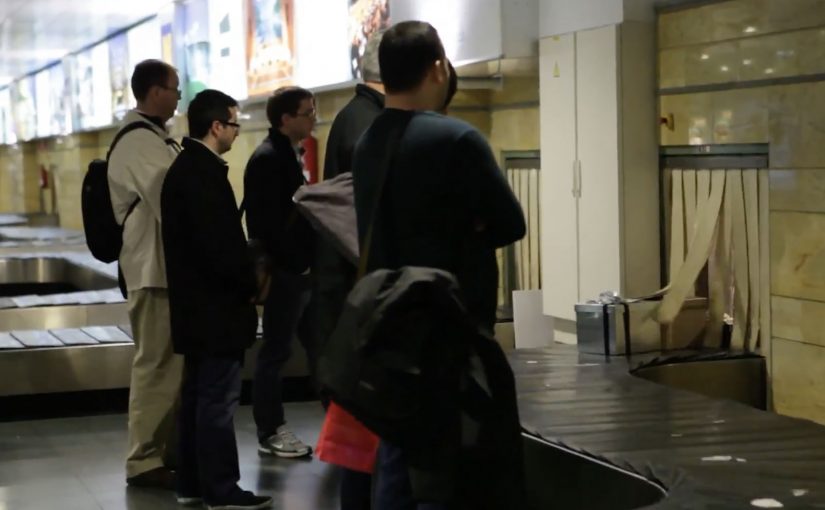
Instead of a routine wait at baggage claim, the luggage carousel delivered an unexpected sight. Wrapped gifts came down the belt before the suitcases did, turning a tired, end-of-day moment into a shared surprise.

How the baggage-claim surprise is engineered

The mechanic is as physical as it gets. Move the brand moment to the one place every passenger must stand still. Then use the carousel as the reveal device, with gifts replacing the expected flow of bags long enough for the crowd to realize something has changed.

In European airline marketing, the most memorable “service stories” are often built from small interventions in unavoidable touchpoints, where emotion is already high and attention is captive.

Why it lands

It respects the situation. Christmas Eve travel is already loaded with absence, fatigue, and sacrifice. The surprise works because it does not ask passengers to do anything new. It simply changes what the moment means, and it does so in front of everyone, so the reaction becomes collective rather than private.

Extractable takeaway: If you want a brand moment to feel generous rather than promotional, place it inside an unavoidable friction point, and make the reveal about relief and recognition, not about brand messaging.

What Spanair is really buying

This is “customer experience” as media. The spend is focused on a small number of people, but the output is a story that travels because it is easy to retell and easy to believe. A luggage belt of gifts is visual proof, not a claim.

The real question is how to turn a routine service touchpoint into proof that people will remember and retell.

What to steal for your own service brand

  • Use captive moments. Baggage claim, check-in lines, boarding queues, and waiting rooms are attention-rich environments.
  • Let the environment do the talking. When the space changes, you do not need much copy.
  • Design for group emotion. Collective reactions create social permission to film, share, and talk.
  • Make the proof unmistakable. If the story can be doubted, it will not travel far.

A few fast answers before you act

What is the core idea of Unexpected Luggage?

Surprise passengers at baggage claim by swapping the expected luggage moment for a gift reveal, turning a routine wait into a shared holiday experience.

Why does baggage claim work so well as a stage?

Everyone must be there, everyone is watching the same thing, and the carousel is already a natural reveal device. That makes the surprise instantly legible.

What makes this feel authentic instead of gimmicky?

The gesture fits the context. It acknowledges what it means to travel on Christmas Eve and gives something back without requiring participation or performance from passengers.

What is the biggest risk when copying this approach?

If operations are not tight, the surprise turns into delay and frustration. The moment must feel like relief, not disruption.

Does this only work for airlines?

No. The same pattern can work in any service setting with a captive, shared wait, as long as the intervention fits the moment and does not create extra friction.