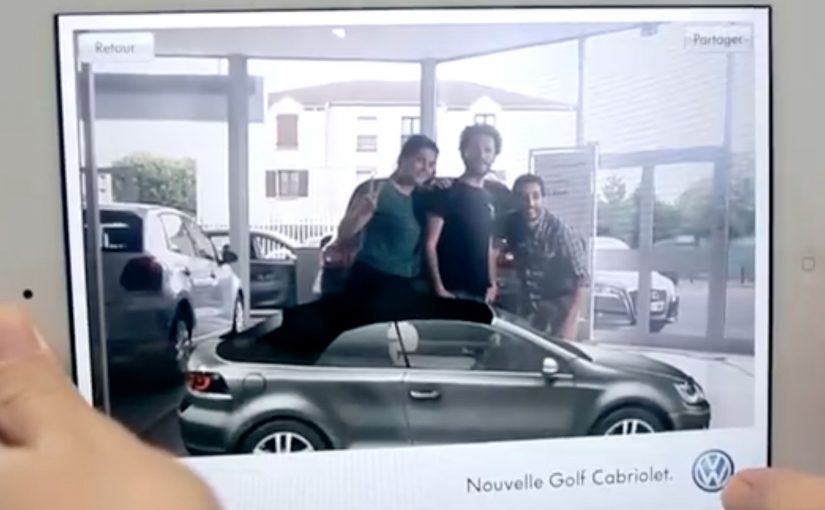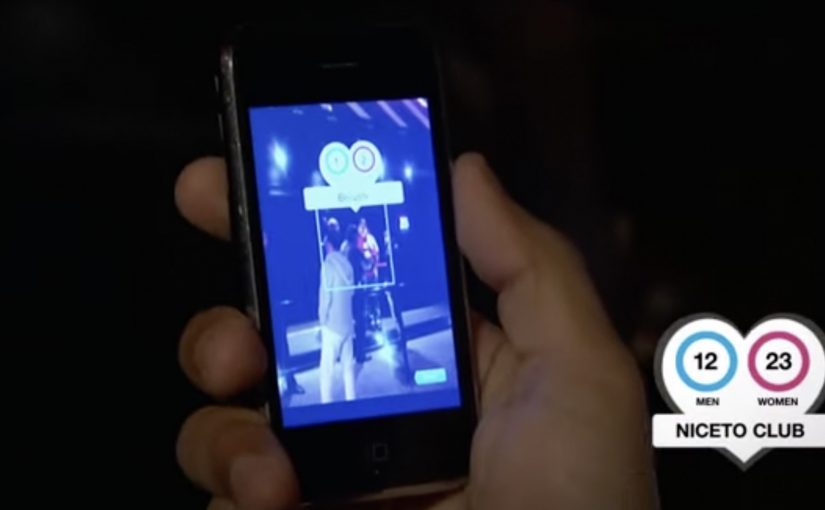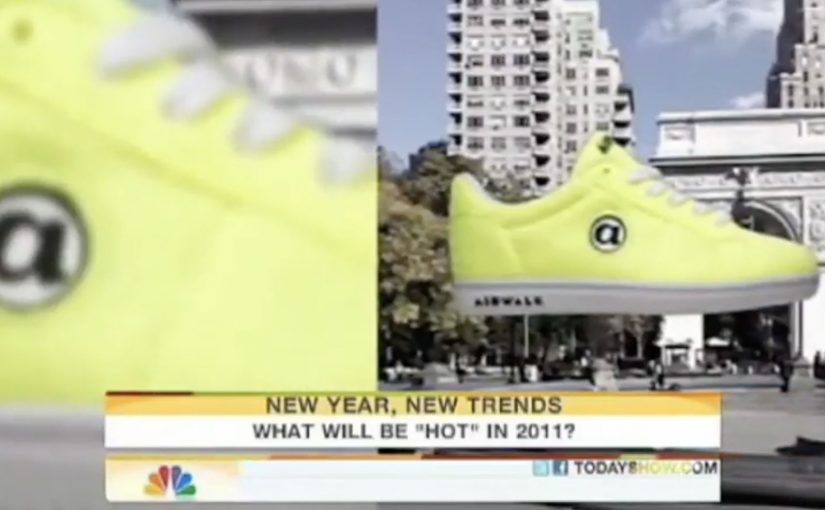
GoldRun and Young & Rubicam have created what is billed as the world’s first invisible pop-up store. Here, “invisible” means the storefront is an AR layer that only appears on a phone at specific GPS coordinates.
Sneakerheads and skaters visit the virtual store at Washington Square Park in NYC and Venice Beach in LA. You show up, look through the phone, and the drop reveals itself.
A pop-up you cannot see until you are there
The mechanism is a location-based AR layer. The product is GPS-linked to specific places, so access is earned by presence, not by refreshing a webshop.
Instead of browsing shelves, people “capture” the virtual sneaker in the app and unlock a purchase path. The retail action is still commerce, but the pre-commerce moment is play.
In youth culture launches where scarcity and scene credibility matter, location-based drops create stronger heat than broad e-commerce blasts.
Why this lands with sneaker culture
This is not just novelty AR. It taps into three instincts that already exist in sneaker communities:
Extractable takeaway: When scarcity is the story, make the constraint experiential (where, when, who) so fans can earn access and retell the effort.
- Scarcity: limited runs feel meaningful when access is constrained.
- Proof of effort: being there becomes part of the story and the status.
- Social retell: the experience is easy to describe and easy to show.
The “invisible store” framing also upgrades the idea from a promo to a cultural moment. It makes the drop feel like an event that happened, not a product that launched.
The business intent under the stunt
Airwalk gets a high-impact relaunch without paying for traditional retail real estate. The brand borrows the authenticity of parks and beaches, then turns those places into distribution.
The real question is whether you can make showing up part of the product value, not just the marketing.
That matters because it makes the product and the environment inseparable. The sneaker is not simply “for” skaters and surfers. It appears where they actually are.
Launch moves from geo-locked pop-ups
- Make access physical, even if the product is bought digitally.
- Turn scarcity into a mechanic, not a banner headline.
- Design a one-sentence retell, for example “the store only exists at two spots.”
- Pick locations that already signal the brand, so the setting does some of the messaging work.
A few fast answers before you act
What is an “invisible pop-up store” in practical terms?
It is a temporary retail experience that exists only through a phone interface at specific real-world coordinates. No physical store build is required.
What is the core mechanic that drives participation?
Geo-fenced discovery. People must travel to a location to reveal the product, then complete an action in-app to unlock purchase.
Why not just sell the shoes online normally?
Because the launch is the marketing. Turning purchase access into a hunt creates earned attention, social proof, and a stronger sense of drop culture than a standard checkout flow.
What are the biggest risks with this approach?
Friction and disappointment. If the experience is hard to access, unstable on devices, or feels unfair due to distance, enthusiasm flips quickly.
What should a brand measure to know if it worked?
Location visits, completion rate from “found” to purchase, time-to-sell-out, and the volume and quality of organic sharing that shows people proving they were there.