
Coca-Cola: Where Will Happiness Strike Next

Coca-Cola: Where Will Happiness Strike Next

A vending machine that behaved like a brand promise

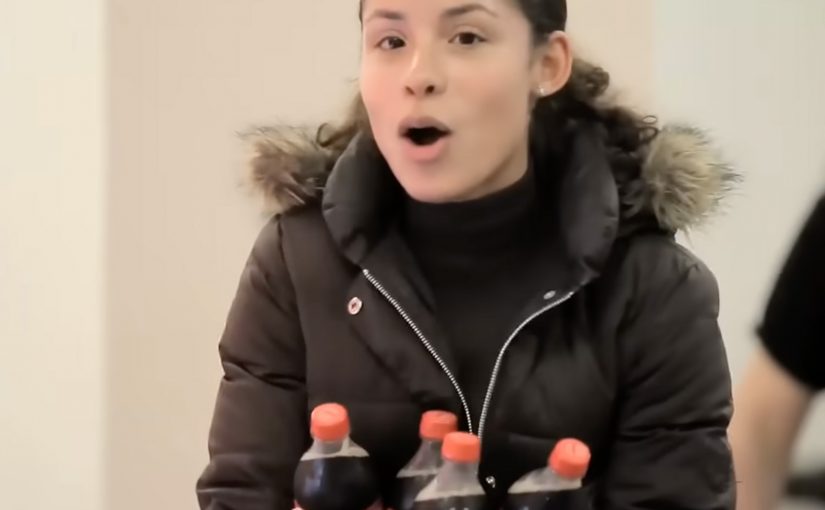
The simplest activations often travel the farthest when the “idea” is visible in one glance. Coca-Cola’s Happiness Machine is a clean example of that kind of instantly understood storytelling.

A Coca-Cola vending machine was transformed into a happiness machine that delivered “doses” of happiness by dispensing more than people expected from a normal purchase.

How the Happiness Machine mechanism worked

The mechanism was a familiar object with an unexpected behavior.

A vending machine is supposed to be transactional. Insert money, get a product. By breaking that script and delivering more than expected, the machine turned an everyday moment into a surprise experience that people immediately wanted to share.

The physical interface did the heavy lifting. No explanation was required because the “before versus after” was obvious in real time.

In global FMCG organizations, activations scale faster when a bystander can understand the payoff in three seconds.

Why the surprise felt contagious

Surprise creates attention, but generosity creates warmth. The experience worked because it did not feel like a trick. It felt like a gift. That distinction matters.

Extractable takeaway: Brands should pair a surprise twist with generosity so sharing feels like celebrating people, not exposing them.

People are happy to share content when it makes them look human, not gullible.

And because the moment happened in public, reactions became social proof. Social proof here means other people’s visible reactions validating that the moment is worth paying attention to.

The business intent behind “doses” of happiness

The intent was to make Coca-Cola’s “happiness” positioning tangible in a way advertising rarely can.

The real question is whether your brand promise can be experienced in public without anyone needing a caption.

Instead of describing a feeling, the brand staged it. The vending machine became a repeatable format that produced real reactions. Those reactions became content, and that content extended the experience far beyond the original location.

Stealable moves from the Happiness Machine

  • Use a familiar object. If people understand the baseline instantly, the twist lands faster.
  • Break a script with generosity. “More than expected” creates goodwill and shareability.
  • Design for public reaction. The audience is not only the participant. It is everyone watching.
  • Make the brand promise physical. If your positioning is emotional, create a moment people can feel, not just read.

A few fast answers before you act

What is the Happiness Machine, in one sentence?

A normal Coca-Cola vending machine behaves unexpectedly by giving people more than they paid for, creating a gift moment instead of a transaction.

How does the mechanism work?

Use a familiar object. Break the expected script. Deliver an instant, legible payoff. Let public reactions create social proof and distribution.

Why does this kind of surprise travel so well?

Because the story structure is clean. Normal situation. Unexpected twist. Human reaction. That sequence is easy to capture and easy to share.

What business intent does this serve?

It makes the “happiness” positioning tangible. Instead of describing a feeling, the brand stages a moment people can experience and witness.

What can brands steal from this execution?

Keep the setup simple, make the payoff instantly understandable, and design for spectators as much as participants. The crowd is part of the creative.

What should you measure if you copy this pattern?

In-the-moment attention and dwell time, organic capture and shares, sentiment, and recall. Also track whether people retell the action, not just the logo.
Pepsi Refresh: Monthly Grants for Ideas

Pepsi Refresh: Monthly Grants for Ideas

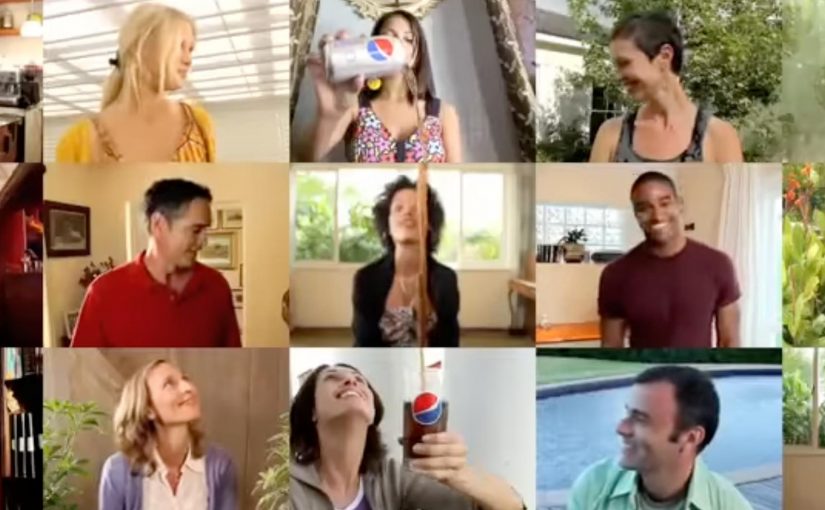
Pepsi wants to make the world a better place and so it has up to $1.3 million in Refresh grants to give out every month, ranging from $5,000 through to $250,000.

The social investment campaign can be seen online at www.refresheverything.com, and is being presented as Pepsi’s alternative to spending on television advertising at the Super Bowl this year.

From January 13, US residents can submit an idea online, choosing categories of health, arts and culture, food and shelter, the planet, neighborhoods, and education.

From February 1, 2010, visitors to the site will be able to vote on ideas, with the first 32 awards being announced on March 1.

The clever part is the trade

The headline here is not just the money. It is the positioning. The real question is whether you can trade a single paid burst for a repeatable participation loop without losing clarity or trust. Pepsi is framing this as an alternative to a single high-cost burst of attention, and shifting that investment into a participatory program where people submit, rally support, and vote.

Why this format can generate momentum

It works because the format creates a loop people can re-enter. Each month resets urgency, gives participants a clear job to do, and turns support-building into something visible.

Extractable takeaway: If you want participation to create reach, make recruiting support effortless and make the cycle easy to repeat.

  • A clear incentive. Monthly grants create repeated urgency, not a one-off moment.
  • Built-in categories. Health, arts, food and shelter, the planet, neighborhoods, and education make participation easy to understand.
  • Voting creates distribution. If your idea needs votes, you recruit your network. That recruitment becomes the media.

In large-scale brand purpose programs, participation grows when funding, voting, and sharing are designed as a repeatable cycle rather than a one-off moment.

What to watch if you run campaigns like this

  1. Transparency. People will want to understand how ideas are evaluated and funded.
  2. Participation fatigue. Monthly cycles help, but the experience has to stay simple to repeat.
  3. Proof of impact. The long-term credibility comes from showing what the funded ideas actually achieved.

What to steal from Pepsi Refresh

  • Make the trade explicit. Position the program as the alternative to a single high-cost attention burst.
  • Design for repeat participation. Use a simple monthly rhythm, clear categories, and a predictable submit-and-vote flow.
  • Let supporters do the distribution. Require votes so participants recruit their networks, and that recruitment becomes the media.

A few fast answers before you act

What is the Pepsi Refresh Project?

It is a social investment program where Pepsi offers monthly “Refresh grants” and invites people to submit community ideas and rally votes to get them funded.

How much funding is available?

Up to $1.3 million in grants per month, with awards ranging from $5,000 to $250,000.

When can people submit and vote?

From January 13, US residents can submit ideas. From February 1, 2010, visitors can vote, with the first 32 awards announced on March 1.

What categories can ideas be submitted under?

Health, arts and culture, food and shelter, the planet, neighborhoods, and education.

What is the strategic alternative being positioned here?

Pepsi is presenting the program as an alternative to spending on television advertising during the Super Bowl, shifting that spend into a participatory grant platform.

Blu Dot: The Real Good Curb-Mining Experiment

Blu Dot: The Real Good Curb-Mining Experiment

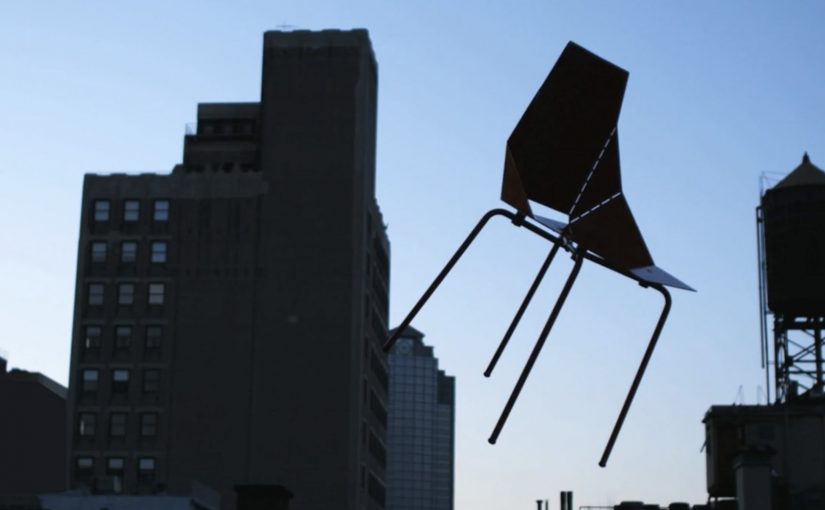
Twenty-five great chairs appear on New York City curbs, free for the taking. Some are quietly GPS-enabled. Then a camera crew follows the trail to see where “free design” actually goes.

“Curb-mining” is the act of finding furniture and art on the streets. Blu Dot decided to conduct its own curb-mining experiment. On November 4, 25 Real Good chairs were dropped around NYC, free for the take. Many were GPS-enabled. Watch the film to see what happened.

How the experiment is staged

The mechanism is deliberately simple. Give away something that normally has clear value, place it in the exact context where curb-miners hunt, then track movement to learn how quickly people claim it, how far it travels, and what stories people attach to it once it is “rescued”.

In urban retail and design-led consumer brands, street-level seeding works best when the giveaway is designed as a story people can retell, not just a free item people can take.

Why GPS changes the meaning of “free”

Without tracking, this is just generosity. With tracking, it becomes a narrative engine. The chair is no longer only an object. It is a moving plot point that creates suspense, location hops, and a human follow-up that turns a giveaway into a documentary. GPS tracking works because it turns an invisible handoff into a visible journey people can follow.

Extractable takeaway: If you can instrument the handoff, you can turn a giveaway into content with a plot, not just a drop.

Definition-tightening: curb-mining is not “dumpster diving”. It is the practice of taking items left out on the curb before they enter the waste stream, which is why the find can feel legitimate and even communal.

What Blu Dot is really buying

This is brand meaning built through behavior. The chairs prove that modern design can live outside showrooms, and the film turns that proof into a piece of shareable content that travels further than a poster ever could. This is a smarter brand move than a one-off giveaway because the documented trail turns product into proof.

The real question is whether you are giving away inventory, or buying a traceable story that people will retell for you.

A street-seeding blueprint you can reuse

  • Seed with intent. Give away something that is unmistakably “worth taking”.
  • Make the context do the targeting. Place the product where the right behavior already exists.
  • Capture the human aftermath. The owner stories are where meaning and memorability come from.
  • Design for repeatable proof. Track, document, and package the journey so it becomes content.

A few fast answers before you act

What is curb-mining?

Curb-mining is the practice of finding and taking usable furniture or objects left out on the street, typically before they enter the waste stream.

What did Blu Dot do in this experiment?

They placed 25 Real Good chairs around NYC for free, with many chairs GPS-enabled, then documented what happened as people took them.

Why add GPS tracking to a giveaway?

Tracking turns a giveaway into a story. It lets the brand show the journey, not just the drop, and it creates a documentary-style narrative that people will watch and share.

What makes this different from a normal stunt giveaway?

The follow-through. The value is not only in the moment of discovery, but in the documented trail and the human stories that emerge afterward.

What is the main execution risk with street seeding?

If it feels staged in a manipulative way, people reject it. The giveaway has to feel authentic to the street context and respectful of public space.