
Pinterest 2012: Early Brand Campaigns

Pinterest 2012: Early Brand Campaigns

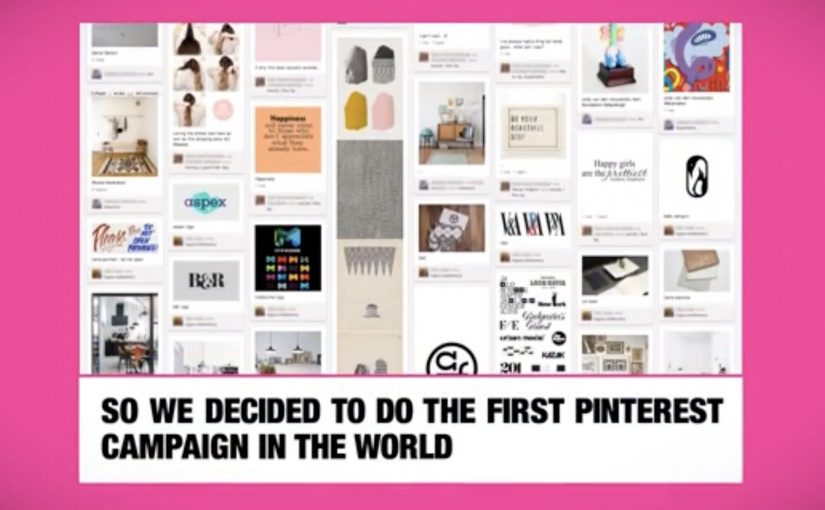
Pinterest is one of the most talked about and fastest growing social networks of 2012. What makes this social site different from the others is its pinboard-styled social photo sharing feature that allows users to create and manage theme-based image collections.

Since it is still very new, a lot of major brands do not know what to make of it. However, a couple have already found creative ways to exploit the potential of the new social media destination.

Why the native loop matters

In early-stage social platforms, the first campaigns that win tend to be the ones that treat the platform’s native behavior, pinning, collecting, repinning, as the mechanic, not as an afterthought. The native loop, the repeatable cycle of pinning, repinning, and collecting, is what makes participation feel like curation instead of work.

In global consumer brands and agencies, early pilots work best when the platform’s native loop is the unit of design, not a channel to paste old formats into.

The real question is whether your idea makes the platform’s default action rewarding before you add any media spend.

Brands should ship only what is native-first, and skip anything that needs heavy explanation to feel like it belongs.

Four early Pinterest plays worth studying

Women’s Inspiration Day by Kotex

In Israel, Kotex reportedly identified 50 inspiring women and looked at what they were pinning on Pinterest, then sent them virtual gifts. If they re-pinned the gift, Kotex would send a real gift by mail. Smoyz, the agency behind the effort, claims nearly 100% of the women posted something about their gift, not only on Pinterest, but on Facebook, Twitter and Instagram.

Puzzle by Peugeot Panama

Peugeot Panama ran a contest that awarded fans who completed their Pinterest puzzle. The brand’s Pinterest presence featured images of cars running over two or more boards. In each case, a board was missing. To get the missing pieces, fans had to go to Peugeot Panama’s website to find and complete the full image set.

Color Me Inspired by Guess

Color Me Inspired by Guess

Guess challenged its fans to create boards based on four spring colors: Noir Teal, Hot House Orange, Red Hot Overdue and New Plum Light. Participants were asked to title their boards as “Guess My Color Inspiration” and pin at least five images, each tagged with #GUESScolor, in them. Four winners were then chosen by fashion bloggers Kristina Bazan of Kayture, Michelle Koesnadi of Glisters and Blisters, Jennifer Rand of Belle De Couture and Samantha Hutchinson of Could I Have That.

Pinterest Lottery by British Midland International
Pinterest Lottery by British Midland International

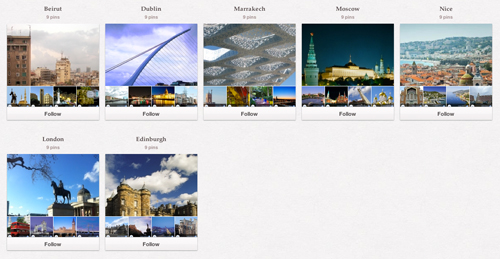
British airline “bmi” launched a game of chance to engage its fans. With “Pinterest Lottery”, bmi encouraged fans to re-pin up to six images of its travel destinations Beirut, Dublin, Marrakech, Moscow, Nice, London and Edinburgh. At the end of each week, the company chose a number at random, and users who had re-pinned the image with that number qualified for a chance to win a free return flight.

What these early campaigns get right

These ideas differ in execution, but they all turn Pinterest behavior into a simple loop you can complete and share.

Extractable takeaway: When a platform is new, design around the action people repeat, then let the reward validate the behavior, not the other way around.

  • They make “repin” the action, not the decoration. The platform behavior is the participation mechanic.
  • They reward curation. People are not asked to broadcast. They are asked to build a board that reflects taste.
  • They turn visuals into utility. Gifts, missing puzzle pieces, color palettes, destination boards. Each idea uses images as a system, not as wallpaper.

Rules for your first Pinterest test

  • Start with one native behavior. Make it do the heavy lifting, then build the incentive around it.
  • Design for identity, not reach. Boards are self-expression. Campaigns that respect that feel less like ads.
  • Keep the rules explainable. If the mechanic cannot be retold in one sentence, participation drops.

A few fast answers before you act

What made Pinterest feel different from other networks in 2012?

Its core object was a curated pinboard. People collected and organized images by theme, which made self-expression look like curation rather than status updates.

What is the common pattern across these early brand campaigns?

They use Pinterest’s native loop. Pin, repin, collect, complete, as the interaction, then attach a reward or outcome to it.

Why did Kotex’s approach travel well?

Because the output was personal and “worth pinning”. The gift reflected what someone had already revealed about themselves through their boards.

Why do puzzle and lottery mechanics fit Pinterest?

Because Pinterest already feels like collecting. Turning boards into completion tasks or numbered sets makes the platform behavior feel like a game, not a campaign.

What is the biggest risk when brands jump onto a new platform too early?

Forcing old formats into new behaviors. If the campaign does not feel native to how people already use the platform, it gets ignored or mocked.
Cadbury Creme Egg: When Will It Goo

Cadbury Creme Egg: When Will It Goo

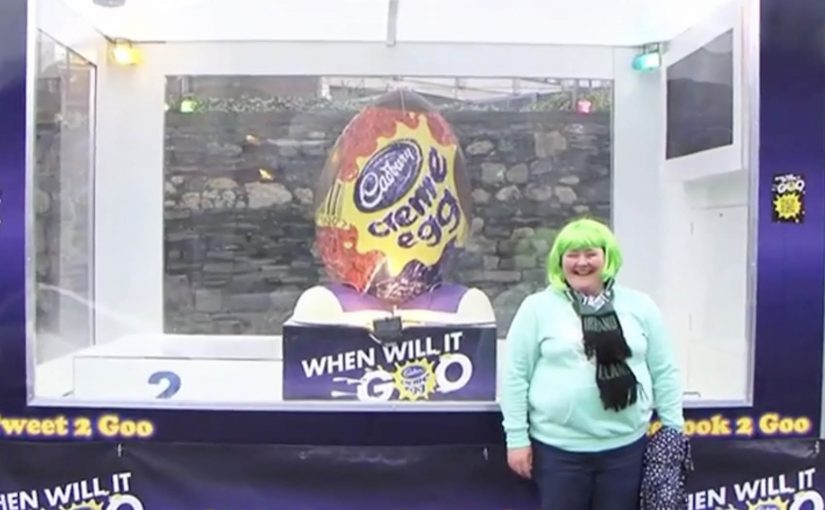
Cadbury, along with agency MCsquared Dublin, created an integrated campaign that enlisted the Irish public to help their giant Creme Egg release its Goo. Here, “Goo” is the campaign’s shorthand for the public release moment.

Eight rocking giant eggs, each protected in a transparent case, were placed around Dublin. Fans were asked to tweet “Goo” using #tweet2goo or enter via the campaign Facebook app. Every tweet and Facebook post made the egg get more “egg-cited” until it “egg-sploded”.

The entire Goo event was broadcast live on the Cadbury Ireland Facebook page, and participants were automatically entered into a draw to win tickets to the London 2012 Olympic Games.

From social input to physical payoff

The mechanic is a simple loop with a strong public proof moment. People post. The installation reacts. The reaction builds suspense. Then the payoff happens in public, with a clear “we did that” feeling for anyone who participated.

In Irish FMCG launches where seasonal products rely on impulse and talk value, turning participation into a shared street spectacle can earn attention that paid media cannot easily buy.

Why it lands

This works because it turns a familiar product truth, the goo, into a shared mission. Because people can see progress building toward a public release, each post feels consequential rather than disposable. The spectacle turns remote social actions into something you can physically witness, and the ticking progress effect gives people a reason to keep posting and to pull friends in. The live broadcast also gives the event a second stage, so even people not in Dublin can follow along and contribute.

Extractable takeaway: If you want social participation at scale, design a public system where every small action visibly moves a shared object toward an inevitable moment. The promise of that moment does the acquisition work.

What the campaign is really buying

It is not just awareness. It is repeat behavior during a short seasonal window. The real question is how to turn a short seasonal sales window into repeat participation instead of one-off attention. The hashtag and the Facebook entry mechanic reward persistence, and the prize draw adds a practical reason to participate even if you are not nearby.

What to steal for seasonal participation campaigns

  • Make the participation rule obvious. One hashtag, one word, one job.
  • Translate digital actions into physical feedback. That is what creates credibility and excitement.
  • Build suspense, not just a reveal. Progress is a stronger engine than surprise.
  • Give it two stages. Street spectacle plus a live stream extends the audience.
  • Add a lightweight incentive. A draw works best when the core experience is already fun.

A few fast answers before you act

What is “When Will It Goo”?

A Cadbury Creme Egg activation where tweets and Facebook entries drive giant public eggs toward a live “goo-splosion” moment.

Why does the physical installation matter?

It turns online participation into something visible and real, which increases belief, excitement, and sharing.

What is the role of the hashtag?

It is the simplest participation interface. It makes the action easy to repeat and easy to recruit others into.

What is the biggest execution risk?

If the installation feedback is slow, unclear, or unreliable, people stop participating because they cannot see impact.

How can a smaller brand replicate the pattern?

Use one shared object, one simple input, and one visible progress signal. The object can be smaller, but the loop must stay legible.

EA Sports SSX: SSX Shakes

EA Sports SSX: SSX Shakes

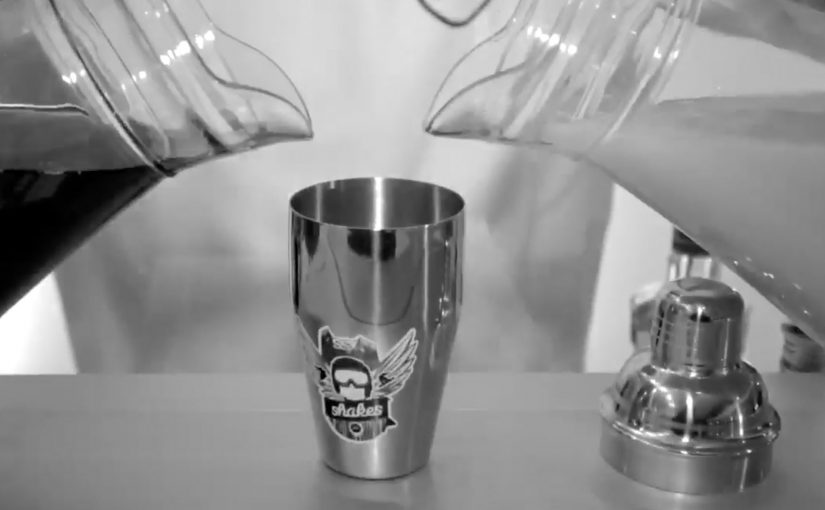
A cocktail order comes in, and a bartender does not reach for the shaker. A pro rider does. The drink gets “shaken” by performing the very snowboard trick it is named after, then handed over fresh to the guest who ordered it.

That is the core of SSX Shakes. A small, invitation-only pre-launch event in Belgium created to generate extra buzz and free press for EA’s SSX extreme snowboarding release on PlayStation and Xbox 360. Duval Guillaume Modem (Antwerp) stages the night around mood and shareability: music, a slope setup, a cocktail bar, riders, and hands-on game play.

How the mechanic turns into media

The mechanism is deliberately tight. Cocktails are named after specific snowboard tricks. Guests choose one. Riders perform the corresponding trick while holding the shaker, then deliver the finished drink. After the event, every blogger and journalist receives a personalised video showing the making of their own SSX shake, packaged for easy sharing with friends, fans, and followers.

In European games marketing where launches depend on earned coverage, the best activations create a photogenic proof point and a ready-to-publish asset for every attendee.

The real question is whether you can hand every attendee a personalised, ready-to-post asset that still feels native to the product story.

Why it lands

It collapses three jobs into one moment. It entertains in the room. It proves the SSX fantasy of trick-driven adrenaline in a physical way. Because the trick is also the “shaker”, the camera captures that fantasy in a single, explainable shot. Then it hands each guest a personalised piece of content that makes sharing feel like showing off a story, not doing a brand a favour.

Extractable takeaway: If your goal is buzz, do not just invite press to watch something. Give them a personalised, category-native moment that can be posted as a complete narrative, without extra editing or explanation. By “category-native”, I mean it uses the category’s own cues and rituals so the story makes sense without context.

What to steal for your next press and influencer activation

  • Build one iconic “single frame”. A rider mid-trick with a cocktail shaker is instantly legible. Your activation needs a moment people can recognise in a second.
  • Make participation the content generator. The guest’s choice determines the trick and the drink. That turns attendees into co-authors of the footage.
  • Personalise the output, not the invitation. The personalised video is the real multiplier. It gives each person a reason to share that is about them, not the brand.
  • Keep the mechanic on-brand. Tricks are not decoration here. They are the core of SSX, translated into a bar ritual.

A few fast answers before you act

What is SSX Shakes in one sentence?

A pre-launch event where SSX-themed cocktails are “shaken” by pro riders performing the matching snowboard trick, followed by personalised recap videos for attendees to share.

Why does the personalised video matter so much?

Because it turns attendance into distribution. Each guest leaves with a finished asset that is already framed for social sharing and blogging.

What is the brand objective behind a concept like this?

To generate earned media and social reach before release by creating a highly visual, retellable moment tied directly to the game’s core fantasy.

How do you adapt this if you cannot produce personalised videos?

Keep the “one guest, one ready-to-share asset” rule, but simplify the output. Capture a short, branded clip or photo that features the guest’s choice and the hero moment, and deliver it to them in a format they can post immediately.

What is the main failure mode if someone copies this format?

If the “hero moment” is not instantly understandable on camera, the event can be fun in-person but produce weak content, and the earned media engine stalls.