
Coca-Cola: Hug Me Machine

Coca-Cola: Hug Me Machine

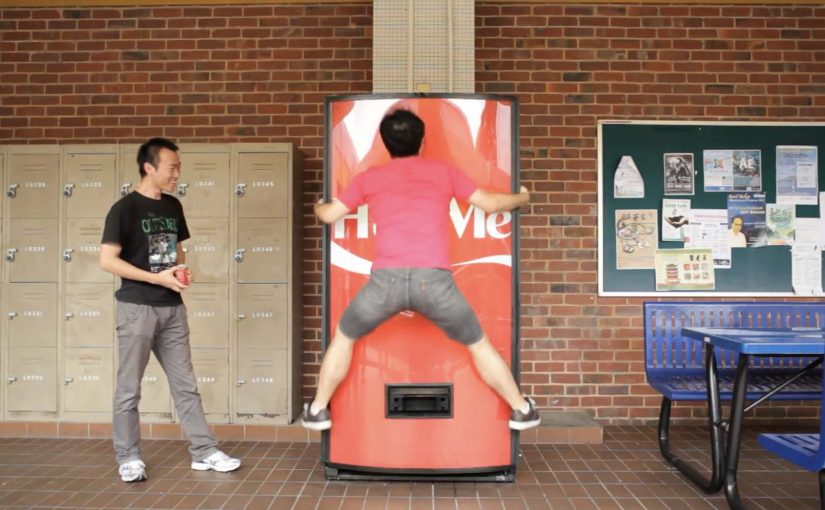
As part of its global “Open Happiness” campaign, Coca-Cola set up a vending machine at the National University of Singapore that doesn’t take coins or any other cash. It only takes hugs. For every public display of machine love, the Coca-Cola “Hug Me” machine gifts the person a free can of Coca-Cola.

A vending machine that runs on human behavior

The mechanism is a single, universal trigger. Instead of payment, the machine asks for a hug. That one action creates a public moment, signals the brand promise instantly, and makes the reward feel earned through emotion rather than money.

In FMCG sampling and brand experience work, replacing “transaction” with a simple human gesture is a repeatable way to turn distribution into a story.

Why it lands

This works because it transforms a functional object into a social catalyst. A vending machine is normally private and transactional. A hug is public and disarming. That contrast generates smiles, draws a crowd, and makes the brand feel like the instigator of the moment rather than the sponsor of a giveaway. The real question is whether the brand can make the giveaway feel like a public act people want to witness and copy. Coca-Cola gets this right because the machine itself turns sampling into visible, social participation.

Extractable takeaway: If you can swap payment for a simple, universally understood gesture, you turn sampling into participation. Participation creates social proof, and social proof is what makes the experience travel beyond the physical location.

The machine is one of a number of Happiness Machines Coca-Cola has deployed around the world since 2009.

What to steal from the Hug Me machine

  • Pick one obvious action: the trigger should be instantly understood without instructions.
  • Make the behavior visible: public participation is the engine for attention and sharing.
  • Keep the reward immediate: the dispense moment is the payoff that seals the memory.
  • Design for bystanders: the crowd reaction is part of the product.
  • Let the object carry the message: the machine itself should explain the campaign in one glance.

A few fast answers before you act

What is the Coca-Cola “Hug Me” machine?

It is a branded vending machine that dispenses a free Coke when a person hugs it, turning sampling into a public, playful interaction.

Why use a hug as the trigger?

A hug is universally understood, emotionally positive, and visibly social. It signals “happiness” faster than copy, and it recruits bystanders naturally.

What’s the marketing job this format does best?

It converts distribution into a shareable moment. The product is delivered, but the real value is the public reaction and the story people retell.

Where does this work well outside campuses?

Any high-footfall environment where people are open to playful participation. Events, malls, transit hubs, and city centers.

What is the biggest risk with this kind of activation?

If the gesture feels awkward or culturally mismatched, participation drops. The trigger has to feel comfortable, obvious, and safe for the audience.
Toyota Scion “Microsoft Surface Experience”

Toyota Scion “Microsoft Surface Experience”

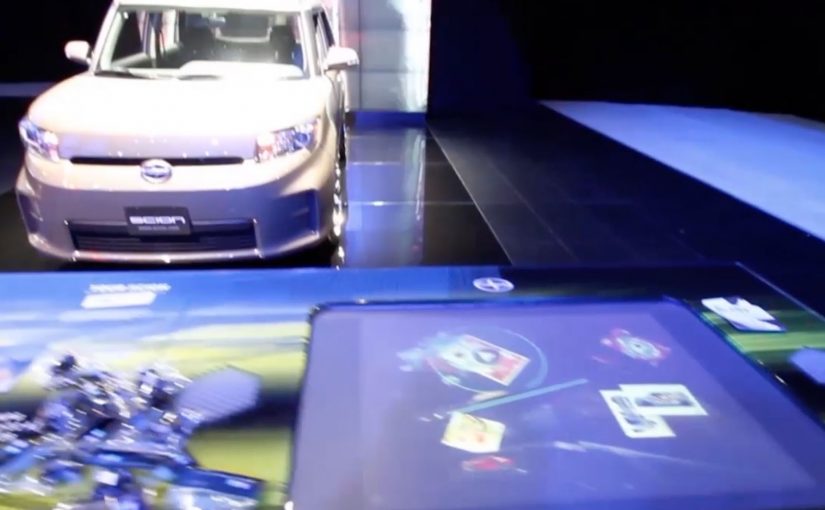
You walk up to a Microsoft Surface table at a Scion auto show stand and pick up one of the collectible cards. You place it on the table and the surface immediately reacts. Photos, video content, regional sales information, and localized events appear around the card. You flip the card over and it triggers a musical element. Beats, bass, or vocals. When all eight cards are on the table at the same time, the full song plays and the table turns into a simple, social remix station.

Auto shows as a lab for new interfaces

At the 2011 International Motor Show in Frankfurt, the pattern is easy to spot first-hand. The brands that win attention make exploration physical and obvious.

The activation. Scion meets Microsoft Surface

If you visit upcoming auto shows late this year or in 2012, you can run into the Scion Surface Experience, built on Microsoft Surface tables. Toyota’s agency Juxt Interactive designs the experience to let visitors explore Scion’s product, racing, and cultural affiliations in an unexpected way.

How it works. Eight cards, two sides

The interaction is built around a deck of eight collectible cards:

  • Place a card on the Surface and the table reveals photos, video content, regional sales information, and localized events.
  • Flip the card over and it triggers one element of a song, such as beats, bass, or vocals.
  • Place all eight cards on the Surface at once and the full song plays.

Once the full track is unlocked, guests can remix the song in their own way. It reinforces the self-expression that sits at the core of the Scion brand story.

In auto show environments, where multiple brands compete for brief attention in the same hall, interfaces that make participation obvious outperform passive display messaging.

The take-home loop. Physical tokens for digital content

The cards do not end when the stand visit ends. Guests can take their cards home and use them to download digital content connected to the auto show experience. The business intent is clear: use play to pull visitors into deeper product content, then extend recall beyond the booth with a take-home trigger.

Why this works. Exploration first, messaging second

This is a clean example of experiential design where the interface creates the interest. The collectible cards make the first step easy, the Surface makes the response immediate, and the “complete the set” mechanic rewards curiosity. The “complete the set” mechanic means each added card reveals more value, so the interaction naturally pulls people toward finishing the sequence together. Because each added card changes the output immediately, the table turns product exploration into a visible group activity, which keeps people engaged longer than a passive stand screen.

Extractable takeaway: When you want people to explore branded content, give them a physical trigger, an immediate digital response, and a group reward for going deeper.

The real question is how to turn product exploration into something people want to start, continue, and share with the people beside them.

What to steal from this interface-led booth

  • Make the first move physical. Use a tangible trigger that is obvious, low-friction, and instantly responsive.
  • Turn content into discovery. Let people unlock information through curiosity, not a forced linear demo.
  • Design for small groups. Build in a reason to collaborate, compare, and “complete the set” together.
  • Extend the moment beyond the booth. Give visitors a take-home token that continues the experience after the event.

A few fast answers before you act

What is the Toyota Scion Microsoft Surface Experience?

An auto show installation that uses Microsoft Surface tables and eight collectible cards to explore Scion content and trigger a music remix experience.

What happens when a card is placed on the table?

The Surface reveals photos, video content, regional sales information, and localized events tied to the stand experience.

What happens when the card is flipped?

It triggers a part of a song, such as beats, bass, or vocals.

Why are there eight cards?

Placing all eight cards on the Surface at the same time unlocks the full song, and turns the table into a simple remix station.

What is the lasting value beyond the booth moment?

Visitors can take the cards home and use them to download digital content related to the auto show experience.

Jeep Wrangler: Drive Your Track

Jeep Wrangler: Drive Your Track

A road trip, chosen by your favorite song

Tell Jeep your favorite song and their app will tell you where to drive. Jeep Spain and Leo Burnett Iberia come up with an online campaign called “Drive Your Track”.

At www.driveyourtrack.com users are asked to upload their favorite song to discover where their music could take them.

How Drive Your Track works

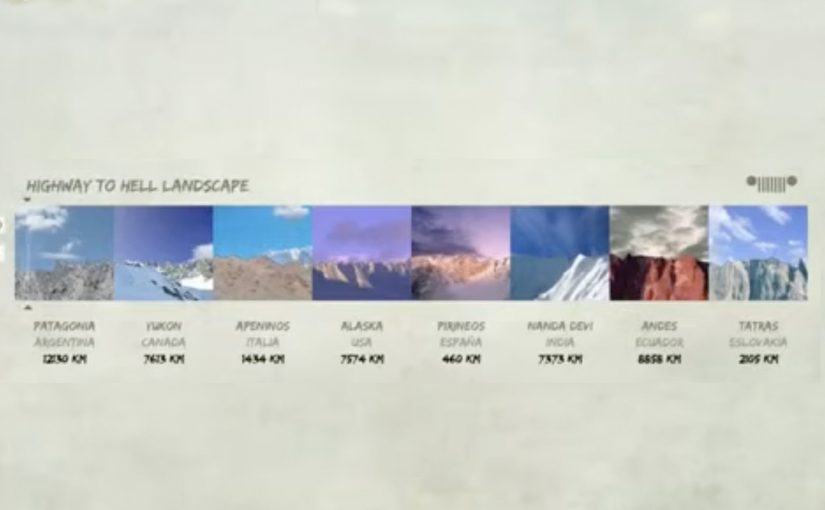
The mechanic is simple and slightly magical. The site reads the shapes of the uploaded track’s sound waves, then matches those shapes to landscape imagery that “looks like” the waveform. With an extra click, users can also discover the route to reach the destination.

In automotive brand building, turning an abstract promise like “freedom” into a playful self-portrait tool helps make exploration feel personally earned. Here, that means the user’s own taste shapes the result, so the experience feels like a reflection rather than a recommendation.

Why it lands

It replaces the usual car-site decision tree with a personal input that people already care about. Their music taste. That shifts the interaction from “find a feature” to “discover a place”, and it gives people a reason to share because the output feels like a quirky reflection of them, not an ad.

Extractable takeaway: If you want people to explore a brand experience, start from an input they feel ownership over, then return an output that looks unique enough to share without needing an incentive.

What Jeep is really buying

This is a soft test-drive nudge disguised as entertainment. The real question is how to make a brand promise about freedom feel personal before anyone even thinks about a vehicle spec sheet. The campaign gets people to imagine themselves on a specific drive with a specific soundtrack, then offers a route so the fantasy can become a plan. Even if the destination is symbolic, the journey cue is real, and that is the brand territory Jeep wants to occupy.

What to steal from Drive Your Track

  • Make the first step emotional, not technical. “Upload a song” beats “choose terrain type”.
  • Turn data into a story artifact. Waveforms become landscapes, so the output is visual and memorable.
  • Give a clear next action. A route option converts discovery into intent.
  • Design for identity sharing. If the result feels personal, distribution comes naturally.

A few fast answers before you act

What is Jeep’s “Drive Your Track”?

It is an interactive campaign where users upload a favorite song and the experience matches the track’s waveform shapes to landscapes, then offers a route to reach the suggested destination.

What is the core mechanic?

Waveform visualization and pattern matching. Your song’s sound-wave shapes are used to generate a landscape-style destination suggestion.

Why does music work as the input?

Music is identity. When the input feels personal, people stay longer, care more about the output, and are more likely to share it.

What makes this more than a novelty?

The route step. It turns a playful recommendation into a concrete next action that can lead toward an actual drive.

What is the transferable lesson for other brands?

Start with a user-owned input, return a shareable artifact, then offer one clear step that turns curiosity into intent.