
Norte Beer: Photoblocker

After their successful campaigns for Andes Beer in Argentina, Del Campo Nazca Saatchi & Saatchi is back with another beer campaign. This time it is a TV ad that highlights another Argentine beer-related invention.

A beer cooler that fights the camera flash

The invention is described as the Norte “Photoblocker”. A functional beer cooler fitted with sensors that detect camera flashes. When a flash goes off nearby, it fires back its own burst of light to overexpose the photo and make faces hard to recognize.

In nightlife culture and bar marketing, protecting privacy in public spaces is a relatable tension that spreads fast through word-of-mouth.

Why it lands

The idea works because it turns an everyday annoyance into a “brand-powered solution”. Being tagged in a messy night-out photo is a modern fear, and the Photoblocker is a simple, visual punchline that makes the benefit obvious without explanation. It also sets up a clean contrast. With Photoblocker versus without Photoblocker. That before-and-after logic is perfect for TV, but it also hints at a real-world stunt, which is where the campaign earns extra talk value.

Extractable takeaway: If you can productize a social pain point into a physical prop that demonstrates itself in one second, you get both a clear story and a repeatable proof moment people will retell.

What the brand is really doing

This is less about claiming a taste difference and more about claiming a role in the night. The real question is how a beer brand can become useful in the exact social moment where embarrassment starts. Norte positions itself as “on your side” in the club. The brand becomes the enabler of freedom, mischief, and plausible deniability, with a device that dramatizes that promise.

What to borrow from this nightlife privacy stunt

  • Start from a real behavioral pain. Here it is social photo-tagging anxiety.
  • Build a prop that shows the benefit instantly. One flash. One ruined photo. No explanation needed.
  • Use an obvious contrast format. “With / without” is easy to remember and easy to share.
  • Make the stunt feel usable. Even if it is promotional, it should look like something you would want in real life.
  • Keep the brand role credible. The solution must feel like it belongs in the product’s world.

A few fast answers before you act

What is the Photoblocker, in one sentence?

A beer cooler that detects camera flashes and fires back light to spoil photos taken nearby.

Why is this a “beer campaign” and not just a gadget gag?

Because it connects directly to a drinking occasion and positions the brand as a protector of nightlife freedom, not just a beverage.

What makes the mechanic so shareable?

It is visual, instantaneous, and easy to explain. People understand the benefit the moment they see a flash ruin a photo.

What is the biggest credibility risk?

If the audience thinks it is impossible or staged, the “solution” stops being funny and becomes just an ad trick. The execution has to look functional.

How can other brands apply this pattern without copying it?

Identify a socially painful moment in your category, then build a simple, physical demonstration that resolves it in a way anyone can understand at a glance.

#The8N8 Twitter Campaign

A celebrity tweets a question about the new Nokia N8. You spot the clue, follow the celebrity, and race to reply with the correct answer before everyone else. Do it fast enough, and you earn the follow-back. Repeat until you have eight.

The brief. Launching the Nokia N8 on Twitter

Wunderman Buenos Aires is given the task to launch the new Nokia N8 smart phone. They create a Twitter-based activation campaign called #The8N8. Here, “activation” means a participatory game on Twitter, driven by clue tweets and timed replies.

The real question is whether you can turn product features into a race people choose to replay.

This is a strong Twitter launch mechanic because it forces people to learn features under time pressure, while making the reward publicly visible.

How it works. Clues, speed, and follow-backs

  • Nokia enlists top celebrities to tweet questions, clues, and features of the phone.
  • Users find the clues, follow the celebrity, and respond correctly in the fastest time.
  • The reward is the celebrity following the user back.
  • The first eight people to get eight celebrities to follow them back win the new Nokia N8.

In consumer electronics launches on fast-moving social platforms, attention windows are short and social proof is a primary currency.

Why the follow-back works

By making the reward a follow-back from a celebrity, the mechanic converts speed and accuracy into instant social proof, which is why participants keep replaying the hunt.

Extractable takeaway: When you attach a visible status reward to answering product-feature clues fast, you can make launch messaging feel like a game instead of an ad.

Results. Reach and follower growth

The campaign is reported to reach 300,000 Twitter users. It is also reported to increase Nokia’s fan base on Twitter and Facebook by over 100%.

How to reuse the mechanic in a launch

  • Turn features into clues. Write prompts that translate key features into quick, answerable questions.
  • Make speed the differentiator. Keep the rule simple. First correct reply earns the follow-back.
  • Keep the reward visible. A follow-back is public, so the prize doubles as social proof.
  • Use a clear finish line. “Eight follow-backs” makes progress legible and creates urgency.

A few fast answers before you act

What is #The8N8?

A Twitter-based activation by Wunderman Buenos Aires to launch the Nokia N8.

What do participants actually do?

They follow participating celebrities, answer their clue tweets correctly, and do it faster than others to earn follow-backs.

What is the win condition?

Be among the first eight people to get eight celebrities to follow you back.

What are the reported outcomes?

Reported reach of 300,000 Twitter users and reported fan base growth on Twitter and Facebook by over 100%.

What is the transferable mechanic?

Turn product messaging into a speed-based game that rewards social proof. Here, that social proof is the follow-back.

Zonacitas.com: Singles Finder App

“Love is out there. If we get organized, there’s plenty for all.” That is the simple provocation behind the Singles Finder App built for Zonacitas.com, a major Argentinian dating portal.

Buenos Aires is often described as a nightlife-heavy city with thousands of bars, discos, and pubs. That abundance creates a practical problem for singles. Where do you go tonight if your goal is to actually meet someone?

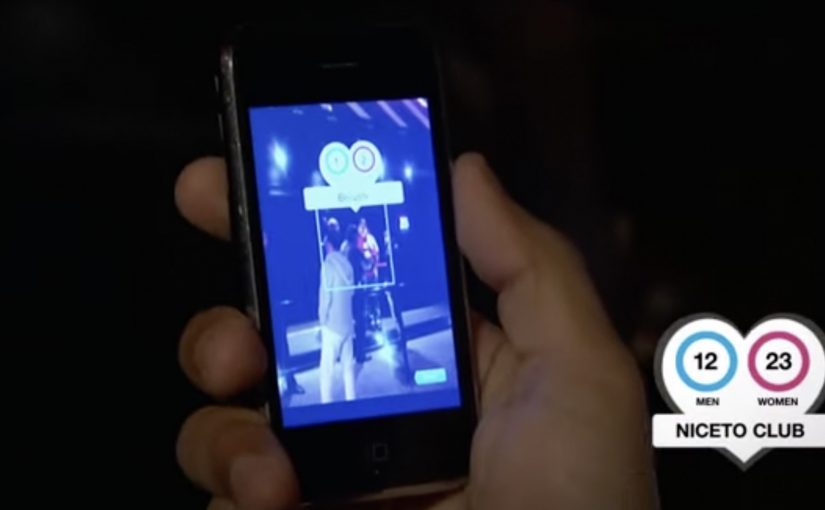
Singles Finder reframes the decision as information. It is described as a free iPhone app that shows the number of single prospects in each location, so users can choose where to go before they go.

Turning nightlife into a searchable index

The mechanism is straightforward. The app surfaces venue-level counts of single men and women, letting users compare options and pick the spot with the best odds for their intent, rather than relying on guesswork or luck.

In big-city nightlife ecosystems, the winning consumer experience is often the one that reduces uncertainty about where to invest your next two hours.

Why it lands

This works because it respects the real barrier. The hardest part is not downloading a dating app. It is deciding where to show up in the physical world. The real question is where you can increase the odds before you leave home.

Extractable takeaway: When your category depends on offline outcomes, shift the product value from “matching” to “decision support,” meaning a clear, comparable signal that helps people pick where to go before they leave. Help people choose where to go, not just who to message.

What Zonacitas.com is really buying

As positioning, it moves the brand from “dating portal” toward “nightlife utility.” As behavior, it encourages planning and repeat usage. As marketing, it turns a crowded, emotional category into a rational promise you can explain in one sentence. This is a stronger bet than competing on endless profiles and messaging alone.

Takeaways for location-driven products

  • Make the choice easier, not louder. Reduce the decision space with a simple comparison signal.
  • Shift value upstream. Solve the problem before the user commits time and money to a night out.
  • Design for “before I leave home.” The best moment is pre-decision, not mid-venue.
  • Keep the promise legible. A count is clearer than a vibe.

A few fast answers before you act

What is the Singles Finder App?

It is a Zonacitas.com mobile app concept that shows how many single prospects are in each nightlife location, helping users decide where to go before they head out.

Why is the “count per venue” mechanic persuasive?

It turns an emotional, uncertain choice into a comparable signal. Users can pick a venue based on odds rather than guesswork, which feels immediately useful.

What problem does this solve that typical dating portals do not?

It addresses the offline planning step. Instead of focusing only on profiles and messaging, it supports the real-world decision of where to show up tonight.

Who is this best for?

It is best for people facing many similar nightlife options and a time-bound goal. The value is reducing randomness in the “where do we go” decision.

How should the promise be explained in one line?

Explain it as “help me choose where to go tonight.” The clearer the decision it supports, the faster users understand why it is useful.

What should a brand measure for an activation like this?

App opens during peak nightlife hours, venue search and comparison behavior, downstream check-ins or venue visits where available, and retention driven by repeat planning on future nights.