It’s that time of the year again. This is my last and very Christmassy post for the year.
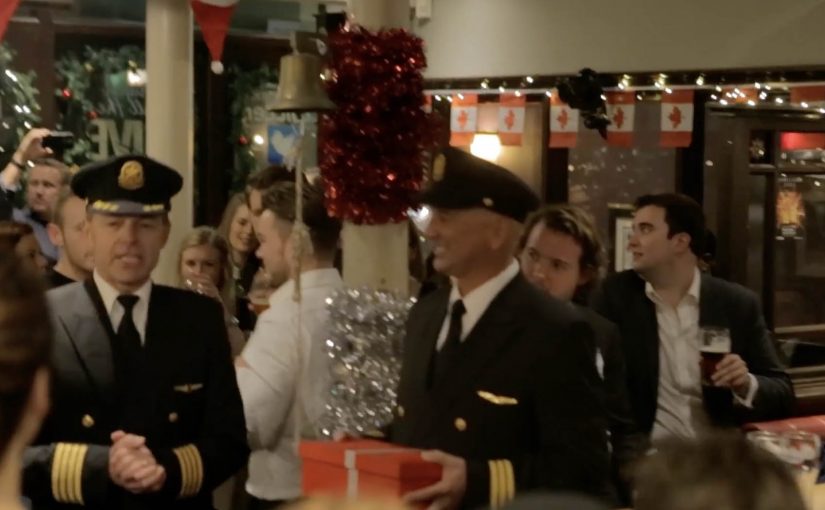
Since Christmas is the season of giving, Air Canada decided to spread a little love to unsuspecting Canadians at a local bar in London. Two Air Canada pilots talked to several Canadians about how they would not make it home this holiday season, and then announced they would be giving everyone in the bar a very special gift.
What happened next will make you wish you were there for this moment.
How the surprise is staged
The setup is intentionally low-key. Start with a real conversation in a normal place, then pivot to an unexpected announcement that turns empathy into action. The bar setting does the work of making it feel unproduced, and the pilots do the work of making it feel credible. That combination matters because low production cues reduce skepticism and make the reveal feel earned rather than engineered.
In travel brands, “getting home for the holidays” is one of the few emotional promises that translates across cultures without explanation.
Why this lands
This works because the tension is familiar and the payoff is immediate. You can feel the disappointment of not getting home, and you can feel the release when the gift arrives. The brand is not explaining values. It is demonstrating them through a human moment that people recognise as real. The real question is whether the emotion feels earned by the brand’s actual role. It does, because helping people get home is the airline promise in its most human form.
Extractable takeaway: If you want an emotional story to travel, start with a universally understood problem, keep the setup believable, and make the brand’s role an enabling action rather than a slogan.
What travel brands can borrow
- Use a natural setting. Familiar environments lower skepticism fast.
- Make the “turn” simple. Conversation, reveal, gift. No complicated mechanics.
- Let real people carry the scene. Authentic reactions beat scripted lines.
- Anchor to a seasonal truth. Holidays come with shared emotional stakes that do not need heavy copy.
Until 2015. Ramble over and out.
A few fast answers before you act
What is the core idea of this Air Canada holiday activation?
A surprise moment in a London bar where Air Canada pilots speak with Canadians about not making it home for the holidays, then reveal a special gift.
Why does the bar setting matter?
It makes the interaction feel everyday and believable, which strengthens the emotional payoff when the surprise lands.
What is the campaign really selling?
More than routes or fares, it sells reassurance. The feeling that the airline helps you get to the people that matter.
What is the transferable pattern for other brands?
Build a simple, credible setup around a universal tension, then resolve it with a concrete act that only your brand can enable.
What’s the biggest risk with “surprise and delight” campaigns?
If the setup feels staged or the brand role feels performative, the emotion collapses. Believability is the asset.