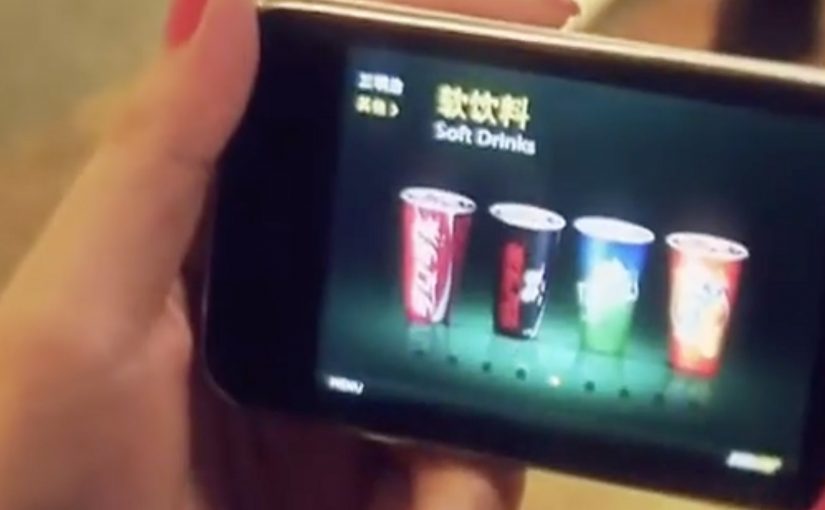
Subway was facing massive competition from other fast food chains in China. Mobile agency iconmobile was given the task to claim the mindsets of their target audience in an innovative way that also triggered sales.
A mobile game was created to let users step into the role of a subway delivery guy. Rather than just providing an emotional benefit, the app also included…
- a map that provided direction to shops nearby
- a click-2-call order function
- a mobile coupon channel to trigger sales according to the users behaviour
Here, a mobile coupon channel means offers delivered through the phone based on what the user does in the experience, not a generic discount blast.
Why the mechanics matter
The idea combines three practical conversion tools with gameplay. A nearby-store map reduces “where do I go”. Click-to-call reduces “how do I order”. Coupons reduce “why now”. The game gives all of it a reason to be opened in the first place. This is smart mobile thinking because it makes the route from attention to order materially shorter. The real question is how to turn a branded interaction into a faster path to purchase.
Extractable takeaway: entertainment works harder when it removes friction at the exact moment interest is highest.
In mobile-led fast food categories, this matters because attention is easy to win for a moment, but ordering friction still kills intent fast.
What Subway is really trying to do
The business intent is to turn branded play into store discovery, faster ordering, and timed coupon redemption.
What to borrow for mobile campaigns
- Attach utility to entertainment. Games can drive attention, but the built-in tools drive action.
- Keep the path to purchase short. If ordering is a tap away, intent has less time to cool down.
- Use behaviour to time incentives. Coupons work better when they match what the user is doing in the moment.
A few fast answers before you act
What is Subway “Daredevil Delivery”?
A mobile game campaign in China that put users in the role of a Subway delivery guy, paired with tools that could trigger real orders.
Which agency created it?
iconmobile.
What features connected the game to sales?
A nearby-store map, a click-to-call ordering function, and a mobile coupon channel based on user behaviour.
Why is this stronger than a branded game on its own?
Because the game creates attention, while the map, call function, and coupon channel give that attention a direct path to store visits and orders.
What is the key lesson for mobile?
Pair a fun mechanic with immediate utility, so the experience can convert curiosity into action without friction.