
A Can Size for Every Aussie

A Can Size for Every Aussie

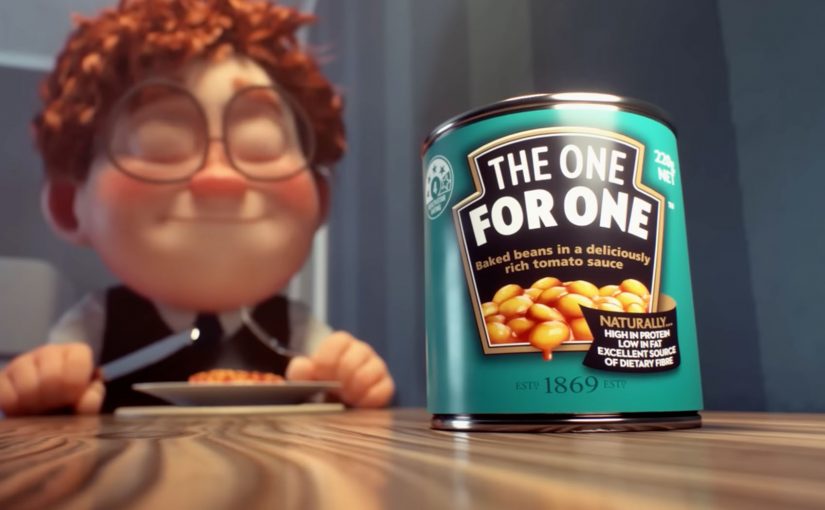
Kraft launches four new sizes of Heinz baked bean cans with a three-minute “life narrative” film. It follows Geoff, a man addicted to beans, and his future wife, whom he meets in the spaghetti department. The story builds to the punchline. Geoff “invents” a range of can sizes that feels perfect for different Australian occasions.

The creative choice is doing a lot of work. It turns something that is normally functional and forgettable. Pack size. Into a character-driven narrative that is easy to watch and easy to remember.

The insight behind the pack strategy

In 2016, Kraft commissions consumer and shopper research to understand how Australians use Heinz beans and spaghetti. The key finding is straightforward. People want ideal can sizes that suit different occasions.

Four sizes is not “more choice” for its own sake. It is a response to a usage reality. One household does not always need the same portion format.

Why a film is the right container for a packaging story

Packaging benefits can sound like rational product copy. This film makes the point emotionally, then lands it practically.

Extractable takeaway: When the product change is useful but easy to ignore, story can turn the format logic into something people can retell.

In FMCG portfolios, format expansion only scales when shoppers can instantly see why each variant exists.

This is the right strategic move because the job is not to announce four SKUs. It is to make each size feel like an intuitive answer to a real usage moment, so the portfolio looks helpful instead of bloated.

The real question is whether the audience immediately understands why more pack formats improve everyday use.

The narrative format also solves a distribution problem. It gives the campaign a reason to be watched and shared even by people who do not currently care about can sizes.

What to steal if you are launching format variants

  • Start with a concrete usage insight, not a portfolio decision.
  • Give the variant story a memorable mental model. Here, “a can size for every occasion.”
  • Use entertainment to earn attention. Then let the product logic feel obvious, not forced.

A few fast answers before you act

What is being launched here?

Four new sizes of Heinz baked bean cans.

What insight drives the launch?

Kraft’s research shows Australians are looking for ideal can sizes to suit different occasions.

How is the launch communicated?

Through a three-minute life narrative film featuring Geoff and his future wife in the spaghetti department.

What is the core marketing technique?

Use story to make a functional packaging benefit feel human, memorable, and worth sharing.

Why not just announce the new sizes directly?

Because the film helps the audience feel the usefulness of the size range, rather than processing it as a dry packaging update.
Burger King: Anti Pre-Roll Pre-Roll

Burger King: Anti Pre-Roll Pre-Roll

Turning the internet’s biggest annoyance into the idea

The smartest digital work often starts with a blunt truth the audience already feels. Burger King’s take on pre-roll irritation is a clean example of that approach.

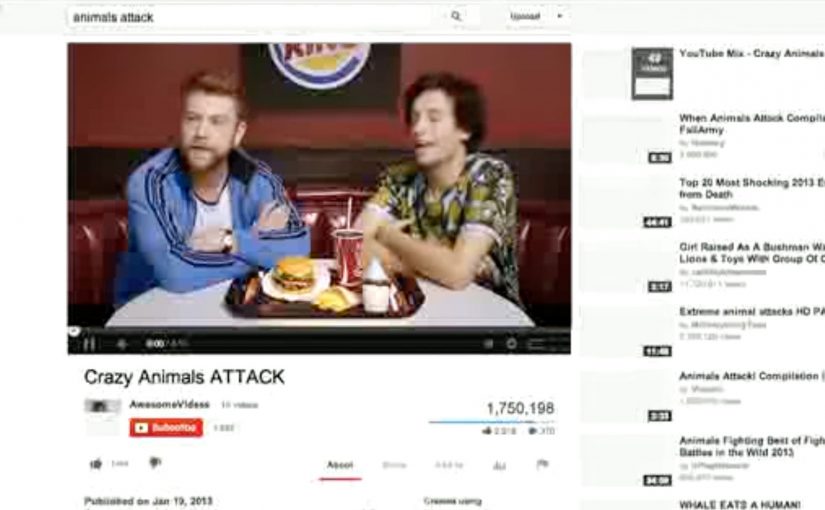
Pre-rolls on YouTube are considered as one of the most annoying things on the internet. Here, “pre-roll” means the ad that plays before a video starts.

It is a fact that even Burger King acknowledges, even though they profit enormously from them.

So for their campaign in New Zealand they decided to take a slightly different approach. They created 64 videos that made fun of the annoying pre-rolls and then tailored it to the video that was about to be watched.

How 64 tailored pre-rolls made interruption feel relevant

The mechanism was contextual creative at scale.

Instead of running one generic pre-roll, Burger King produced a library of short spots designed to match the viewer’s intent. The pre-roll referenced the type of content about to play, making the interruption feel less random and more like a commentary on the moment. By “contextual creative,” I mean variants that change based on the content about to be watched.

That shift matters because it changes the viewer’s question from “how fast can I skip?” to “what are they going to say about this one?”

The real question is: can you turn the skip reflex into a moment of curiosity.

In global consumer brands buying always-on video, contextual creative is the simplest way to make paid interruption feel earned.

Why self-aware interruption can win attention

Pre-roll is hated because it steals time and breaks flow.

Extractable takeaway: If you cannot remove an interruption, acknowledge it and pay it back with relevance.

This idea reduced that emotional tax by acknowledging the annoyance and using humor to create alignment with the viewer. When a brand says what people are already thinking, it earns a small amount of trust. Tailoring the message to the next video adds a second reward: relevance.

In other words, it does not remove the interruption. It makes the interruption entertaining enough to tolerate.

The business intent behind mocking the format

The intent was to keep the media advantage of pre-roll while reducing the brand penalty that comes with it.

By turning the format itself into the joke, Burger King aimed to increase watch time, reduce skip reflex, and improve brand sentiment. The audience still gets interrupted. But they feel understood, and that changes how the brand is remembered.

If you have to run pre-roll, self-aware contextual creative is a cleaner play than pretending the format is not annoying.

What to steal for your next video campaign

  • Start with a shared frustration. If the audience already dislikes the format, acknowledge it instead of pretending it is fine.
  • Make relevance the reward. Contextual tailoring can turn an interruption into a moment of curiosity.
  • Scale with a clear template. A creative system. Many variants. One consistent joke structure.
  • Earn seconds, not impressions. In pre-roll, attention quality is the real KPI.

A few fast answers before you act

What did Burger King do differently with pre-roll in New Zealand?

They created 64 pre-roll videos that mocked the annoyance of pre-roll and tailored the message to the video the viewer was about to watch.

What was the core mechanism?

A library of contextual creative variants designed to match viewer intent, making the interruption feel relevant and humorous.

Why does self-aware humor work in an interruptive format?

Because it aligns the brand with what viewers already feel, reducing irritation and increasing willingness to watch.

What business goal did this support?

Improving attention quality and sentiment while still benefiting from the reach and placement of pre-roll media.

What is the main takeaway for brands?

If you cannot remove an interruption, redesign it so the audience gets a payoff. Relevance and humor are two of the fastest payoffs available.

IKEA: Catch the Swedish Light

IKEA: Catch the Swedish Light

Summer is usually a slow period for IKEA in Belgium, and IKEA wanted to change that. Instead of running traditional advertising for summer offers, they built an interactive YouTube game that challenged viewers to “catch the Swedish light.”

Click here to watch the case video on the AdsSpot website.

A YouTube mechanic that turns attention into speed

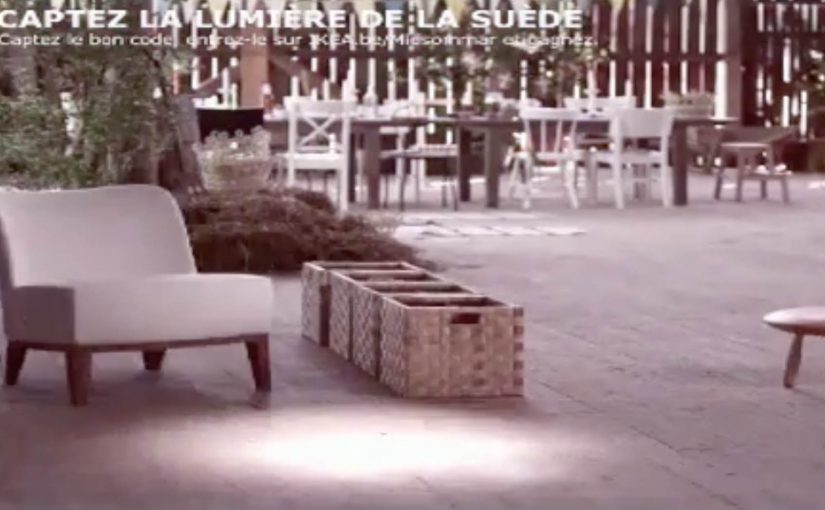
The game used a set of 48 different ads. Viewers had to pause the spot at the exact moment a beam of light hit a product. In that unique frame, a yellow code appeared in the top right corner. The first person to validate the code on the summer microsite won the product instantly.

In seasonal retail marketing, this kind of mechanic works best when it converts passive viewing into an action that is both simple and time-sensitive.

Why this is a smart use of YouTube’s constraints

The neat twist is that the limitation becomes the hook. Because YouTube is not designed for frame-perfect browsing, the challenge feels like a real skill moment rather than a basic form-fill. That “I nailed it” feeling is the reward even before the prize lands.

Extractable takeaway: If you want people to pay full attention to video ads, give them a single, clear reason to watch closely, and make the payoff depend on timing rather than effort.

What IKEA is really optimizing for

Yes, it is a prize mechanic. But the deeper objective is to turn summer browsing into a competitive habit. Viewers must watch actively, replay, and react quickly, which increases recall of products and offers without relying on heavier messaging. The real question is whether you want your summer promo to be remembered as an offer, or as a skill moment people choose to replay. This is a stronger play than a standard summer-offers spot, as long as the validation race feels fair across devices.

What to steal from Catch the Swedish Light

  • Make the win condition visual. A light beam hitting a product is instantly understandable.
  • Keep the action atomic. Pause at the right moment. Capture code. Validate. Done.
  • Use scarcity properly. “First to validate wins” creates urgency without extra complexity.
  • Scale through variations. Multiple ads keep the game fresh and reduce repetition fatigue.
  • Protect fairness. If latency (the delay between a code submission and server confirmation) or site load affects outcomes, communicate rules clearly and log validation times reliably.

A few fast answers before you act

What is “Catch the Swedish Light” in one sentence?

It is an IKEA Belgium YouTube-based game where viewers pause ads at the exact moment light hits a product to reveal a code, then validate fastest to win instantly.

Why does “pause at the right frame” drive engagement?

Because it forces active viewing. People stop multitasking, replay moments, and concentrate to hit the timing.

What makes this better than a standard prize draw?

The outcome feels earned. Speed and attention decide the winner, which makes participation more exciting and shareable.

What is the biggest execution risk?

Perceived unfairness. If buffering, device differences, or slow microsite performance decide winners, sentiment can flip fast.

What should you measure beyond views?

Replay rate, average time spent per viewer, code validation volume, site conversion rate, and whether product interest rises during the slow summer window.