A Christmas recycler that turns responsibility into a reward
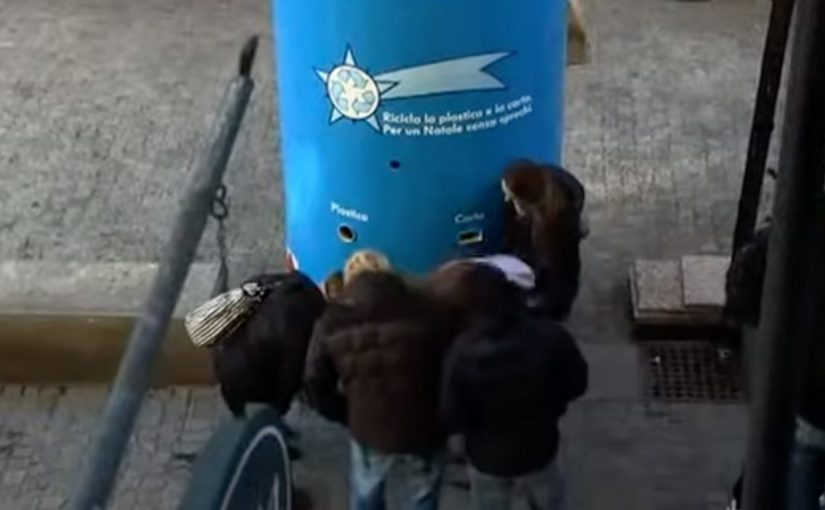
Volkswagen in Italy wanted to convince people to be more responsible towards the environment. So with the help of ad agency Now Available they created an engaging ambient ad called the “Instant Christmas Recycler”.
How the Instant Christmas Recycler works as an ambient activation
The idea is simple: put a recycling station where people are already moving, then make the “right” action feel immediately worthwhile. Here, “ambient activation” means a branded installation in a public setting that invites an on-the-spot action. As described in campaign write-ups, each time someone disposed of rubbish correctly, the machine responded with an instant Christmas-themed reward. That instant feedback is the mechanism. Because the response is immediate, it reinforces the behavior while the motivation is still present.
In retail-adjacent public environments, ambient installations can make sustainability tangible by turning small actions into visible, immediate consequences.
Why it lands: it replaces guilt with a small win
Environmental messaging often asks for sacrifice. This flips the emotional contract. It rewards the behavior on the spot, so the action feels like a game you want to complete rather than a lecture you want to avoid.
Extractable takeaway: If you can turn a “should” into an immediate, visible win, the behavior starts to feel self-propelled instead of imposed.
The Christmas framing matters too. It gives the act of recycling a seasonal “ritual” feel, which makes participation socially acceptable and easy to repeat.
The business intent behind the charm
This is brand reputation building with a behavioral nudge attached. The real question is whether you can design the loop so the sustainable choice feels rewarding in the moment. Reward-based nudges only hold when the payoff is inseparable from the action. Volkswagen gets to show up as a constructive actor in everyday life, while testing a simple truth: if you want people to change behavior, reduce friction and make the payoff immediate.
What to steal for your next sustainability activation
- Reward the action, not the intention. People follow loops they can feel instantly.
- Place it where behavior already happens. Footfall beats persuasion.
- Make the feedback public. Visible participation normalizes the act for bystanders.
- Keep the rules obvious. One action. One response. No instructions needed.
A few fast answers before you act
What is the “Instant Christmas Recycler”?
It is an ambient activation for Volkswagen in Italy that uses a branded recycling station to encourage responsible disposal by giving immediate feedback and reward.
What is the key mechanism that makes it work?
Instant reinforcement. When someone recycles correctly, the installation responds immediately, making the right behavior feel easy and worth repeating.
Why use an ambient installation for an environmental message?
Because it reaches people in the moment of action. It turns sustainability from a slogan into a behavior you can perform right now.
What should a brand be careful about with reward-based nudges?
If the reward is unclear, delayed, or inconsistent, the loop collapses. The response has to feel reliable and directly tied to the action.
How do you scale an idea like this beyond one location?
Standardize the behavior loop and vary the context. Same simple action and response, different placements and seasonal skins that fit local routines.