Omote 3D: The 3D Printing Photo Booth

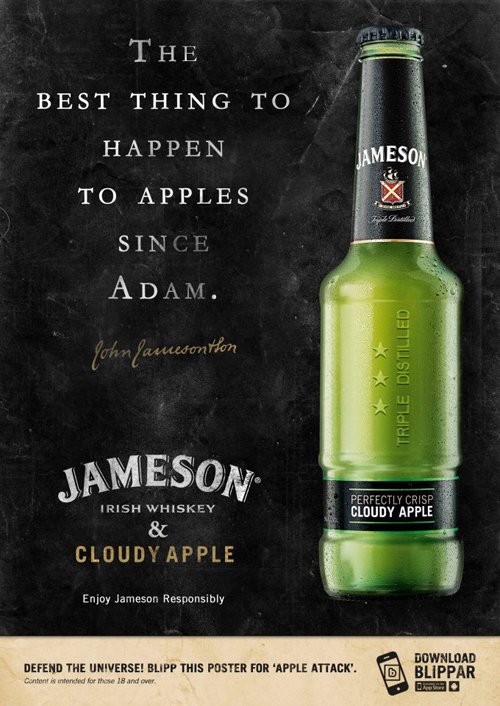
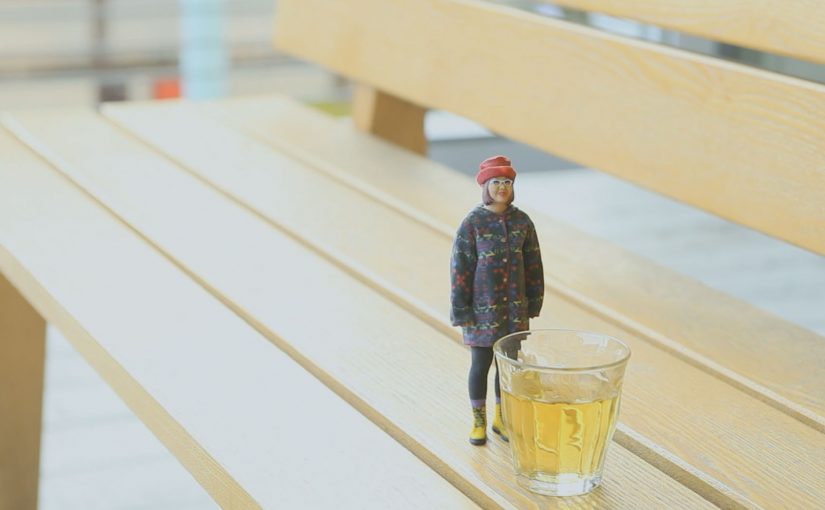
Ever wanted a life-like miniature action figure of yourself. Not a cartoon avatar, but a small, physical replica you can hold in your hand.

Omote 3D makes that possible by setting up what is billed as the world’s first 3D printing photo booth for a limited time at the Eye of Gyre exhibition space in Harajuku, Japan.

From November 24 through January 14, 2013, people with reservations can have their bodies scanned into a computer. Then, instead of a photograph, they receive miniature replicas of themselves.

The miniature replicas are available in three sizes. S (10cm), M (15cm) and L (20cm) for US$264, US$402 and US$528, respectively.

Why this “photo booth” feels like a shift

The mechanism is the message. A booth that normally captures a flat memory instead captures a 3D dataset, then materializes it into a keepsake. The output is not content you scroll past. It is content you place on a shelf.

Extractable takeaway: When you turn personalization into a physical object, it stops being content and starts being a keepsake.

Definition-tightening: this is not 3D “photography” in the traditional sense. It is full-body 3D scanning plus full-color 3D printing, packaged in a familiar photo booth ritual.

In consumer experiences where attention is scarce and products are increasingly interchangeable, turning personalization into a tangible object is a reliable way to earn talk value, meaning people have a reason to talk about it later.

The real question is whether your experience ends as something people display, not something they forget after the moment passes.

What makes it work as an exhibition idea

The booth turns the visitor into the exhibit. It also turns waiting and anticipation into part of the experience, because the “print” is a manufactured object, not an instant print strip. That shift makes the end result feel earned and premium.

Stealable patterns from Omote 3D’s booth

  • Use a familiar ritual as the wrapper. “Photo booth” is instantly understood, even when the technology is new.
  • Make the output physical. Physical artifacts extend the campaign life long after the pop-up closes.
  • Price by meaning, not by material. People pay for identity and memory, not for plastic and ink.
  • Gate with reservations when demand is the story. Scarcity plus scheduling can reinforce that this is special.

Additionally click here to see how Polskie Radio in Poland has used 3D printing technology to market their website.


A few fast answers before you act

What is Omote 3D’s 3D printing photo booth?

It is a pop-up booth that scans your body in 3D, then produces a full-color miniature figure of you instead of a standard photo print.

Why call it a “photo booth” if it prints a figure?

Because it borrows the familiar booth ritual. You step in, you get captured, and you leave with a keepsake. The technology changes, but the mental model stays simple.

How is the miniature created?

Your body is scanned into a 3D model, then the final figure is manufactured via 3D printing in full color and finished as a physical object.

What sizes are offered and what do they cost?

Three sizes are offered. 10cm, 15cm, and 20cm. The listed prices are US$264, US$402, and US$528, respectively.

What is the marketing lesson for brands?

Personalization becomes more valuable when it becomes tangible. A physical output turns novelty tech into an object people keep, show, and talk about.
Jameson Irish Whiskey: Blippar Space Invaders

Outdoor ads that turn into a game

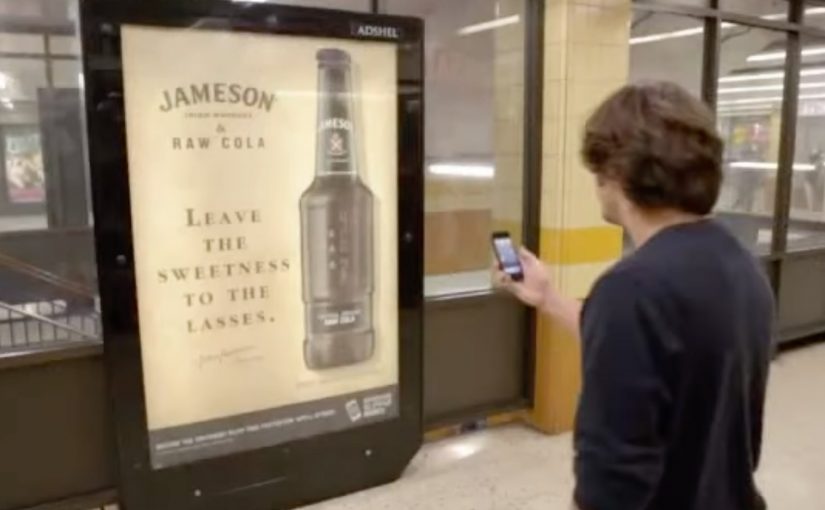
Jameson Irish Whiskey recently launched a huge outdoor campaign, teaming up with augmented reality specialist Blippar for image recognition technology. Here, “image recognition” means the app matches what the camera sees to known Jameson creative and then triggers the experience.

People with the Blippar app could scan any Jameson Irish Whiskey ad or bottle and immediately get immersed in a Jameson Irish Whiskey version of Space Invaders.

How the Blippar scan-to-play mechanic worked

The mechanism was straightforward. A phone camera scan triggered Blippar’s image recognition. That recognition launched an interactive AR experience on the device.

In practice, the physical media became the “portal”. The ad or bottle was the entry point. The phone was the display and controller. The game was the reward.

In spirits and FMCG outdoor campaigns, scan-to-play AR works best when the payoff is immediate and the controls feel natural in a standing, on-the-street context.

Why it landed, and where the interaction could be smoother

The win is immediacy. Scan and you are inside the brand world without a long setup. Because recognition launches the game instantly, it converts a fleeting poster glance into play time.

Extractable takeaway: If you turn physical media into a “scan to reward” portal, deliver the reward within seconds and design controls that match the real-world posture of the moment.

After playing the game myself, I found it would have been a better experience if they had allowed viewer control through tilting the phone around, instead of non-stop tapping at the screen. However, it is still good to see more brands innovating like this.

What the brand was really buying

This was not just about novelty. It was about extending an outdoor campaign into a personal, interactive moment that people could not get from a standard print execution.

The real question is whether your outdoor media can earn voluntary attention, not just reach.

The intent was clear. Increase attention time. Add talk value. Create a reason to engage with the bottle and the ads beyond the first glance.

This pattern is worth copying when you can reward immediately and keep interaction comfortable enough to sustain play.

What to steal for your next AR activation

  • Make the entry point universal. “Scan any ad or bottle” reduces friction and increases participation.
  • Reward immediately. If the scan does not pay off fast, the experience loses the environment it depends on.
  • Design the controls for comfort. Favor natural motion and simple gestures over repetitive tapping when sessions run longer than a few seconds.
  • Use AR to earn time, not impressions. The value is the extra seconds of focused attention, not the novelty headline.

If you would like to give it a try, download the Blippar app on your smartphone and scan the below bottle to start playing.

Jameson Irish Whiskey


A few fast answers before you act

What was Jameson doing with Blippar?

They used Blippar’s image recognition so people could scan Jameson ads or bottles and launch an interactive AR game experience on a smartphone.

What was the core mechanic?

Scan the physical creative with the Blippar app. The scan triggers recognition. The phone immediately launches the game.

Why does scan-to-play work well for outdoor advertising?

It turns a passive glance into an active moment. The ad becomes a portal to content that holds attention longer than print.

What interaction improvement could make this smoother?

More natural viewer control, such as tilting the phone, can reduce fatigue compared to continuous tapping during gameplay.

What is the main takeaway for brands?

Use AR to earn time and engagement by delivering an immediate reward, and make the control scheme comfortable enough to sustain play.