
A Can Size for Every Aussie

A Can Size for Every Aussie

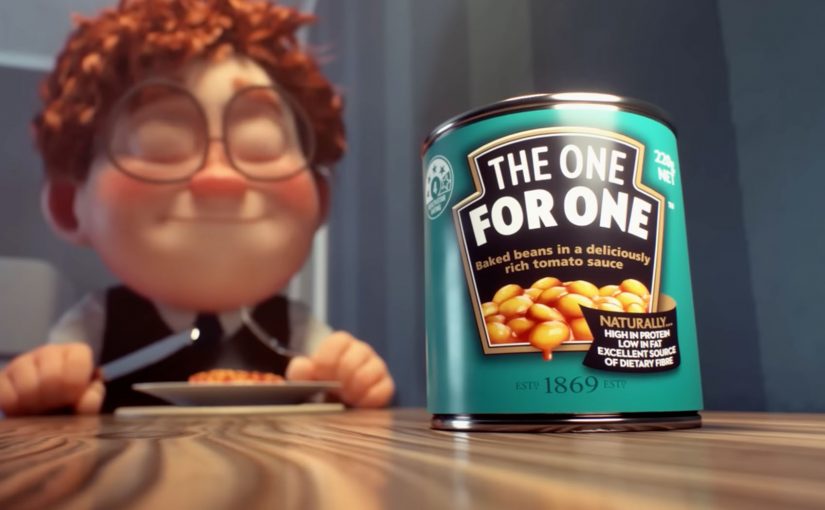
Kraft launches four new sizes of Heinz baked bean cans with a three-minute “life narrative” film. It follows Geoff, a man addicted to beans, and his future wife, whom he meets in the spaghetti department. The story builds to the punchline. Geoff “invents” a range of can sizes that feels perfect for different Australian occasions.

The creative choice is doing a lot of work. It turns something that is normally functional and forgettable. Pack size. Into a character-driven narrative that is easy to watch and easy to remember.

The insight behind the pack strategy

In 2016, Kraft commissions consumer and shopper research to understand how Australians use Heinz beans and spaghetti. The key finding is straightforward. People want ideal can sizes that suit different occasions.

Four sizes is not “more choice” for its own sake. It is a response to a usage reality. One household does not always need the same portion format.

Why a film is the right container for a packaging story

Packaging benefits can sound like rational product copy. This film makes the point emotionally, then lands it practically.

Extractable takeaway: When the product change is useful but easy to ignore, story can turn the format logic into something people can retell.

In FMCG portfolios, format expansion only scales when shoppers can instantly see why each variant exists.

This is the right strategic move because the job is not to announce four SKUs. It is to make each size feel like an intuitive answer to a real usage moment, so the portfolio looks helpful instead of bloated.

The real question is whether the audience immediately understands why more pack formats improve everyday use.

The narrative format also solves a distribution problem. It gives the campaign a reason to be watched and shared even by people who do not currently care about can sizes.

What to steal if you are launching format variants

  • Start with a concrete usage insight, not a portfolio decision.
  • Give the variant story a memorable mental model. Here, “a can size for every occasion.”
  • Use entertainment to earn attention. Then let the product logic feel obvious, not forced.

A few fast answers before you act

What is being launched here?

Four new sizes of Heinz baked bean cans.

What insight drives the launch?

Kraft’s research shows Australians are looking for ideal can sizes to suit different occasions.

How is the launch communicated?

Through a three-minute life narrative film featuring Geoff and his future wife in the spaghetti department.

What is the core marketing technique?

Use story to make a functional packaging benefit feel human, memorable, and worth sharing.

Why not just announce the new sizes directly?

Because the film helps the audience feel the usefulness of the size range, rather than processing it as a dry packaging update.
BMW Films: The Escape

BMW Films: The Escape

BMW Films has teamed up with Academy Award nominated director Neill Blomkamp (“District 9,” “Elysium”) to create an action-packed short film to promote the new upcoming 2017 BMW 5 Series.

The story centers around a young girl simply named “Five”, played by Dakota Fanning, who is the subject of seemingly illegal experiments.

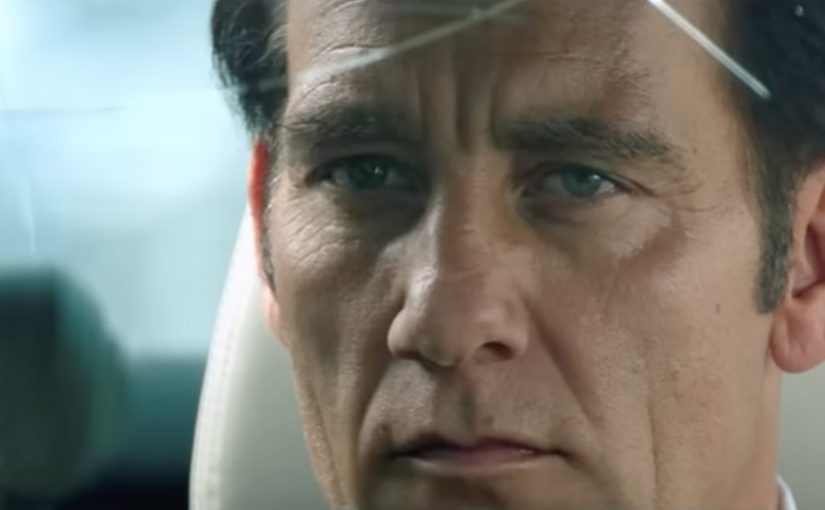
With the FBI cracking down on the company responsible for such experiments, Oscar nominated actor Clive Owen plays the nameless transporter who is hired to get Five out of there. The action ensues.

Why BMW Films still works as a launch format

This is not a product demo dressed up as content. It is content where the product belongs naturally. The car is not the “message”. It is the tool that makes the story credible.

Extractable takeaway: Branded entertainment only pays off when the product is structurally necessary to the story, because that necessity makes the brand presence feel earned.

Here, “branded entertainment” means a film that works as entertainment even if you are not shopping, with the brand woven into the premise instead of appended as a pitch. Because the car drives the plot, the attention feels earned and people share it as a short film, not a launch asset.

  • Talent creates attention. Director and cast set a quality bar that feels like entertainment, not advertising.
  • The vehicle role is functional. Driving, control, and decision-making are essential to the plot.
  • Shareability comes from story. People pass it on because it is a short film worth watching, even without shopping intent.

In global high-consideration launches, long-form story formats work when they make the product feel necessary before anyone compares specs.

The brand job: make the new 5 Series feel inevitable

When a film like this lands, it does two things at once. It signals confidence and it frames the new model in an emotional territory that spec sheets cannot reach. Capability, composure, speed, control.

The real question is whether your launch format makes the product feel inevitable, not merely visible.

The benefit is not that viewers remember a feature. The benefit is that they remember a feeling, and they connect that feeling to the 5 Series before they ever step into a showroom.

What to take from this if you are launching something complex

  • Earn attention with craft. If you want people to choose long-form, it needs to deserve their time.
  • Give the product a role, not a cameo. If it does not matter to the plot, it will feel bolted on.
  • Let story carry the distribution. The strongest paid media is the one you do not need because people share it anyway.
  • Build a universe, not a one-off. Formats like BMW Films work best when audiences expect the next chapter.

A few fast answers before you act

What is “BMW Films: The Escape”?

It is a branded short action film created to promote the upcoming 2017 BMW 5 Series, directed by Neill Blomkamp and starring Clive Owen and Dakota Fanning.

Why use a short film instead of a classic launch ad?

Because story earns time and attention. It creates emotional association and premium perception that traditional product messaging often cannot deliver on its own.

What is the product role of the BMW 5 Series in this format?

The car functions as an essential tool in the narrative. It supports the transporter premise and makes the action feel credible, rather than serving as a standalone showcase.

What makes branded entertainment feel “credible”?

High production quality, real creative talent, and a story where the brand presence is natural and necessary, not forced.

What is the practical takeaway for launch teams?

If you want to use long-form content, design it as entertainment first, then embed the product so it belongs, and the attention will travel further.

Honda – The Other Side

Honda – The Other Side

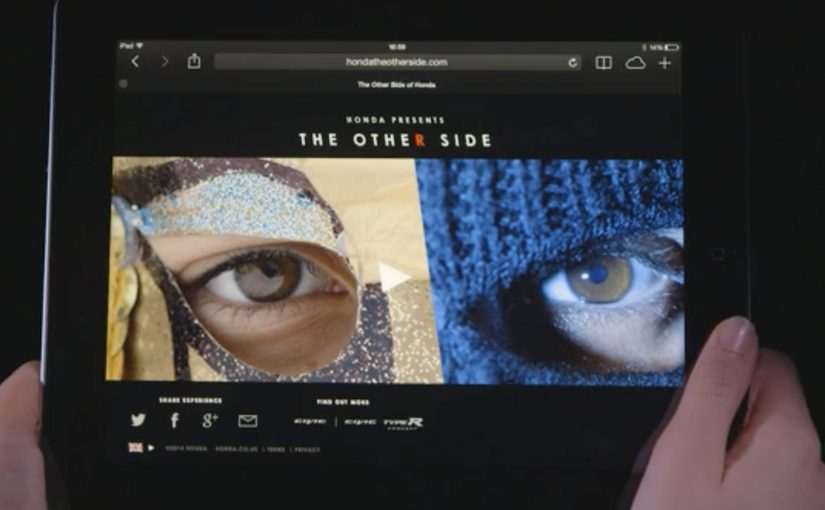
Car brands are always trying to show that their cars have different sides to their personalities, sporty vs reliable, safe vs cool, etc. What makes Honda’s latest effort unique is its YouTube video. By simply holding down the “R” key on the keyboard, the viewer can instantly switch between two different videos.

To execute this innovation, Wieden & Kennedy London had to create two storylines, one of an easygoing Dad doing the school run and the second as an undercover cop posing as a getaway driver. Both of which were then expertly mirrored with contrasting style and tone. The interactive experience was then put together by Stinkdigital at Honda’s YouTube Channel.

Why the mechanic matters more than the novelty

The “hold R to switch” idea is a simple interaction mechanic, meaning the viewer action changes how the story is revealed, but it changes how you watch. You are not just viewing a story. You are actively comparing two versions of the same moment, in real time.

Extractable takeaway: When a brand claim depends on contrast, the strongest format is often one that lets the audience trigger the comparison for themselves.

The real question is whether the interaction makes the brand point clearer, not whether the tech looks clever.

  • One scene, two meanings. The mirrored structure makes contrast instantly legible.
  • Viewer control. You control the cut, which increases attention and repeat viewing.
  • Storytelling as product proof. Different “sides” of a car become a narrative device, not a claim.

Execution discipline: mirrored scenes, opposite tone

This only worked because the two storylines were designed to align. Timing, framing, and beats had to match so the switch felt seamless, not like two unrelated edits.

The payoff is that contrast becomes the hero. Calm family routine vs high-pressure escape. The same underlying vehicle context. Two different emotional reads.

In digital brand storytelling, interactive mechanics only earn their place when they make the positioning easier to grasp, not harder.

The business intent is clear: turn Honda’s “different sides” message into a felt comparison, so the format demonstrates the proposition instead of leaving copy to explain it.

What to take from this if you build interactive brand content

  1. Make the interaction explain itself. If the mechanic needs instructions, you lose momentum.
  2. Design for replay. The best interactive films reward going back and re-watching with intent.
  3. Let structure carry the message. When the format proves the point, you do not need heavy-handed copy.
  4. Keep the tech invisible. Viewers remember the feeling of control and contrast, not the implementation details.

A few fast answers before you act

What is Honda “The Other Side”?

It is an interactive film experience where viewers can switch between two parallel storylines by holding down the “R” key.

What are the two storylines?

One follows an easygoing Dad doing the school run. The other follows an undercover cop posing as a getaway driver, with both narratives mirrored scene-by-scene.

Why is the “hold R to switch” mechanic effective?

It gives the viewer control and makes the contrast immediate. That active comparison increases attention, engagement, and replays.

Who created the work?

Wieden & Kennedy London created the two mirrored storylines, and Stinkdigital put the interactive experience together on Honda’s YouTube Channel.

What is the transferable lesson for digital teams?

If you can express your message through an interaction that is instantly understandable, the format itself becomes the persuasion.