
Coca-Cola: Happiness Truck

Coca-Cola: Happiness Truck

Happiness Machine, now with a Rio beach twist

Coca-Cola, whose Happiness Machine video was described as a runaway hit for the brand last year with 3 million views, is back with a sequel that offers more of an international flavor.

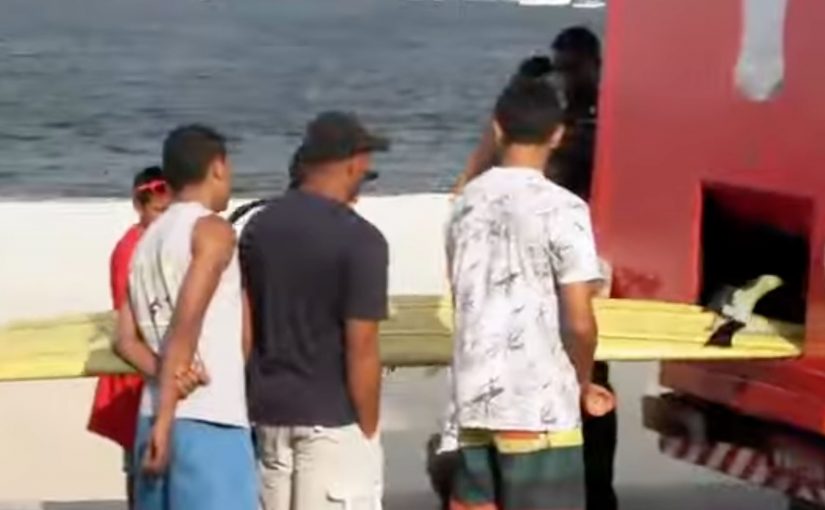
“Happiness Truck” takes place in Rio de Janeiro and is a twist on the original idea, which showed a Coke machine that spit out free Cokes, flowers, balloon animals, pizza and submarine sandwich at a college cafeteria. This time around, a special truck dispenses free Cokes as well as a beach toy, a surfboard, sunglasses, beach chairs, t-shirts and soccer balls.

The mechanic: one button, a public reward loop

The idea is almost embarrassingly simple. Put a big, inviting “PUSH” button on a branded truck. Let passersby trigger it. Then over-deliver on what comes out. Drinks first, then gifts that match the location and mood. Here, “public reward loop” means one person triggers the moment, everyone sees the payoff, and the crowd reaction invites the next press.

The Coca-Cola Happiness Truck is an experiential marketing activation where a branded truck dispenses free drinks and beach items to people who press a large button, turning a giveaway into a shared street moment.

In global FMCG marketing, these activations work best when the surprise is immediate, the moment is public, and the brand behavior feels generous rather than promotional.

Why it lands: the brand promise becomes observable

People do not need to be convinced by copy. They watch someone press a button and receive something real. The real question is whether bystanders can understand the payoff without explanation. The crowd reaction provides social proof, and the escalating gifts create a mini narrative that keeps people watching. The Rio-specific items, surfboards, beach chairs, sunglasses, make the generosity feel locally tuned, not copy-pasted from the first film. Because the trigger is public and the payoff is instant, the activation creates social proof without explanation.

Extractable takeaway: If the audience can see the action and the reward at a glance, you earn belief through visible behavior, not through messaging.

The business intent behind the “international sequel”

This is a sequel strategy that scales a successful format while refreshing the setting. It keeps the core concept intact. Surprise rewards from a familiar Coca-Cola object. and broadens it into a global “where will happiness strike next” platform.

It also turns brand warmth into a repeatable content engine. Each location can add its own culturally legible gifts, which gives the series room to travel without changing the structure.

Steal this street-activation pattern

This is worth copying when you can make the trigger obvious and the payoff immediate in public.

  • Make the trigger obvious. One button beats instructions.
  • Design escalation. Start with the expected reward, then add unexpected layers to hold attention.
  • Localize the gifts. Choose items that instantly signal place and mood.
  • Capture the crowd, not just the hero. The bystanders are the credibility layer and the amplification engine.

A few fast answers before you act

What is Coca-Cola’s Happiness Truck?

It is a street activation in Rio de Janeiro where a branded truck dispenses free Coca-Cola and beach-themed gifts to passersby who press a large “PUSH” button.

How is it related to the Happiness Machine?

It is described as a sequel that keeps the same surprise-generosity structure, but moves it from a cafeteria vending machine to a public street setting.

What is the core mechanic, step by step?

A public trigger creates a clear moment of action. An immediate reward lands first. Then the activation escalates with location-fit gifts, and filmed reactions provide the proof and the content.

Why does the push-button format work so well?

It removes friction and makes the story instantly legible. One simple action creates a visible payoff, so bystanders understand it immediately and social proof builds on the spot.

Why does localization matter in this execution?

The Rio-specific items make the generosity feel tuned to the place and mood, not copy-pasted. That detail makes the sequel feel fresh while keeping the structure familiar.

What business intent is this kind of activation serving?

It turns a brand promise into observable behavior and a repeatable content format. The same structure can travel to new locations without changing the concept.
Levi’s: Soundwash

Levi’s: Soundwash

You pick a Levi’s Square Cut style, choose a music genre, then “Soundwash” the jeans, meaning you pair the selected cut with a music mix through a washing-machine-style interface. The idea gives young audiences a new way to express themselves by turning denim selection into a brand and music experience, not just a purchase.

TBWA\TEQUILA Hong Kong and Levi’s Hong Kong developed Soundwash for the Square Cut collection featuring five new styles of jeans. Soundwash runs as a multi-dimensional interactive experience that lets the audience choose their favourite jeans style and then “Soundwash” the jeans to their favourite style of music, including rock, hip hop and Cantopop, across multiple platforms.

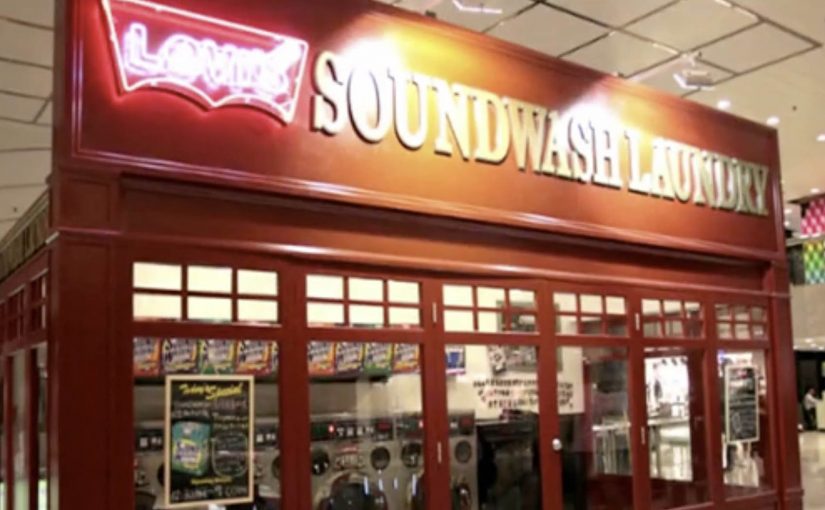
Creatively, Soundwash rediscovers the authenticity of the classic American laundry and collides it with cutting-edge music styles to create a distinct brand experience using a Soundwash “machine”. The concept is supported by limited edition packaging and gift accessories, a Soundwash Laundry pop-up store in high traffic Tsim Sha Tsui, a branded iPhone game app, a website, and an online viral video featuring local music band Mr.

A laundromat you can control with music

The mechanism is a tight participation loop. Start with a product choice, then translate that choice into sound. Shoppers select a Square Cut style, then pick a music mix to “Soundwash” it, using the Soundwash “machine” as the interface that makes the metaphor feel physical and real.

In youth fashion markets where denim is a social signal and music is identity language, interactivity works best when it lets people express taste choices in public, not just consume a message in private.

Why it lands

This works because it turns a collection launch into something you can play with. The laundry metaphor makes the experience instantly legible, and the music layer makes it personal. You are not only choosing jeans, you are choosing a vibe, then “performing” that choice through the machine, the pop-up, and the shareable formats.

Extractable takeaway: If you want a product line to feel like culture, build one repeatable interaction that lets people express taste, then extend it across retail, packaging and mobile so the same idea shows up wherever the audience moves.

How the app makes it competitive

The Soundwash iPhone app includes a game where friends can compete to see who can Soundwash the most jeans in 30 seconds. The top scorer of each week receives a pair of Levi’s Square Cut jeans, which turns the app from a novelty into a reason to return and to challenge others.

The real question is whether the campaign can turn one moment of playful customization into a repeatable social behavior that keeps the collection in circulation.

Levi’s makes the right call by using the app to extend the same interaction rather than treating mobile as a separate stunt.

Steal the denim-and-music playbook

  • Turn selection into performance. Make the act of choosing feel like self-expression, not decision fatigue.
  • Use one clear metaphor. “Laundry” is a simple frame that supports multiple touchpoints without explanation.
  • Build a retail anchor. A pop-up makes the digital idea feel tangible and photogenic.
  • Add a competitive loop. Time-boxed play plus weekly rewards creates repeat usage and social pull.

A few fast answers before you act

What is Levi’s Soundwash?

A Levi’s Hong Kong Square Cut activation that combines denim and music. People choose a style, then “Soundwash” it to a music mix via an interactive machine and supporting digital experiences.

What is the core mechanism?

Product choice plus music choice, expressed through a “Soundwash machine” interaction, then extended into a pop-up, packaging, app, website, and a viral video featuring local music band Mr.

Why use a laundromat metaphor?

Because it is instantly understood and visually rich. It makes the experience feel physical, and it gives the campaign a consistent world across touchpoints.

What role does the iPhone app play?

It adds competition and repeat engagement through a 30-second game format, plus weekly rewards that encourage people to come back and challenge friends.

What is the most reusable lesson here?

When you are selling self-expression, design one simple interaction that makes taste visible, then let that interaction travel across retail, digital, and social formats.

Andes Beer: Friend Recovery

Andes Beer: Friend Recovery

Following the success of the Andes Teletransporter in 2009, and its reported Grand Prix win at the 2010 Cannes Lions festival, Andes, the No. 1 beer from Argentina’s Andean region, is back with another invention designed to keep friends together for longer.

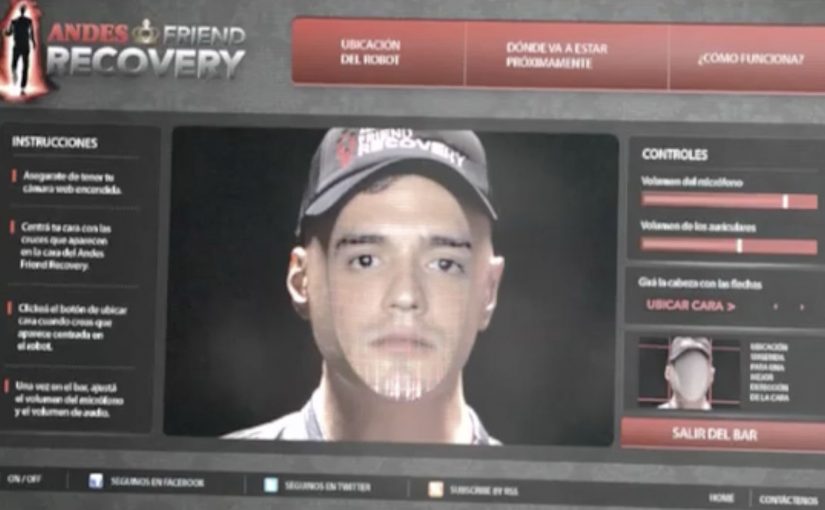
Andes Friend Recovery (AFR) is a telepresence robot with human features, installed in key bars in Mendoza. The pitch is deliberately simple. You can be “present” at the bar with your friends while still being physically somewhere else, taking care of whatever obligations pulled you away.

A bar table that comes with a remote seat

The mechanism is a dedicated AFR table in a bar, plus a robot that becomes your stand-in. Your friends start the session at the table. You authenticate remotely, map your face via webcam, and your live presence appears at the bar through the robot.

This is a physical version of “status update.” Instead of telling friends you will join later, you join now, with viewer control over a real viewpoint and a real conversation happening in real time.

In social, venue-led categories, the easiest growth lever is reducing the friction that ends the occasion early.

The real question is whether you can make “I can’t make it” feel like a solvable problem at the table, not a polite apology in a text thread.

Why the trick works

The appeal is not robotics. It is social continuity. AFR treats friendship as an appointment you should not have to cancel just because you are temporarily stuck elsewhere, and it makes the solution tangible enough to demo in one minute. Because the mechanism turns absence into a visible, physical stand-in, the group gets a concrete reason to keep the occasion going instead of wrapping it up.

Extractable takeaway: When your brand benefit is “more time together,” do not talk about it in slogans. Build a mechanism that removes the one blocker that ends the moment, then make that mechanism visible and easy to explain so people spread it for you.

How it works

  1. Your friends go to a bar and sit at the Andes Friend Recovery table.
  2. They ask for a password which is sent to you via an SMS, while you fulfil your boyfriend duties.
  3. Wherever you are you log in to the AFR page and use the webcam to map your face.
  4. Then you appear at the bar via the Andes Friend Recovery robot.

The numbers the case story leans on

AFR is described as being installed across major bars in Mendoza during October and November 2010. In that period, the campaign is reported to have driven over 2 million website visits, with around 5,000 “recovered” friends.

Friend Recovery moves worth borrowing

  • Remove the exit friction. Target the one blocker that ends the occasion early, then design the experience to neutralize it.
  • Make the mechanism instantly demoable. If the benefit is “more time together,” a visible, one-minute explanation travels further than a slogan.
  • Keep the framing playful. Anchor the joke in friendship and social continuity, not in teaching deception, so the stunt does not backfire.

A few fast answers before you act

What is Andes Friend Recovery?

It is a bar activation using a telepresence robot so a person can appear at a bar table remotely via webcam while being physically somewhere else.

What is the core mechanic that makes it feel “real”?

Two-way presence. Your face and voice show up at the table, and your friends interact with a physical avatar in the bar, not just a chat window.

Why does this count as experiential marketing, not just a film idea?

Because the primary value is delivered by a real installation in real bars. The video is the distribution layer, but the product is the experience.

What makes a stunt like this risky for the brand?

Tone and social framing. If it feels like a “how to lie” tutorial, it can backfire. It works best when it stays in playful exaggeration and focuses on friendship, not deception.

What should you measure if you try a “remote seat” activation?

Track whether the mechanism extends time together (session length and repeat use) and whether the demo travels (views, shares, and visits), then compare results to normal nights without the installation.