
Coca-Cola Second Screen Reinvented

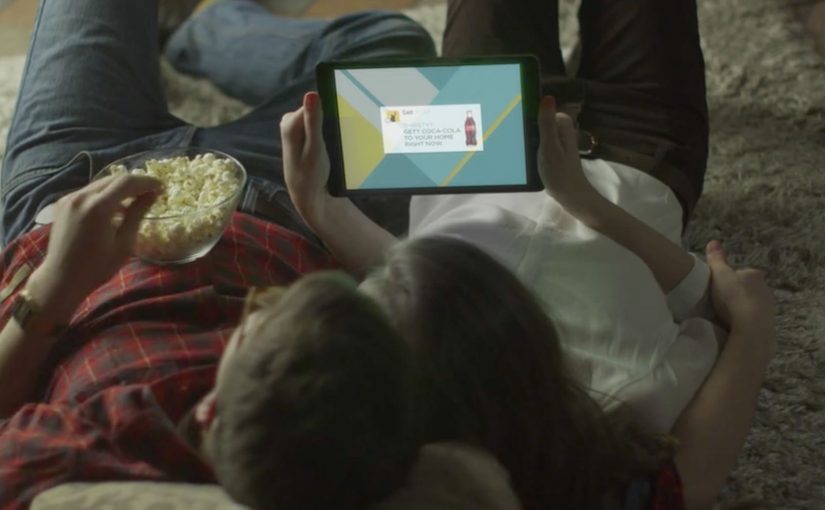
You are watching a Coca-Cola TV spot in Israel. Your phone lights up. A “Gett Coca-Cola” prompt appears. You tap once. Five minutes later, a special Coca-Cola package shows up at your door: a branded cooler, two Coke bottles, and a bottle opener.

From TV spot to one-tap delivery

Turn a TV ad into a one-tap order, and make “second screen” mean immediate delivery, not just engagement. Here, “second screen” means the phone acting as the immediate action surface while the TV spot supplies the trigger.

What is actually happening on the second screen

The TV spot carries an audio trigger that a smartphone can recognize. The moment the ad plays, phones with the Gett app installed receive a push notification. The viewer swipes or taps, and the order is placed in one click.

In practice, this behaves like Shazam for commerce. Except the payoff is not identification. It is fulfillment.

Why the Gett partnership is the real unlock

The ad is only half the experience. The other half is logistics.

To make the “five minutes later” promise credible, Coca-Cola partners with Gett, a local taxi app, and during the promotion Gett dispatches thousands of vehicles packed with branded coolers across Israel, ready to deliver on demand.

In FMCG and retail campaigns, the strategic value is not the novelty of a second screen, but the ability to compress media, commerce, and fulfillment into one immediate behavior.

The real question is whether the brand can remove enough friction that attention turns into action before intent cools.

Why this feels like a reinvention of TV, not a gimmick

This is not a gimmick. It is a tighter piece of commercial design because the creative, transaction, and fulfillment layers are built to work as one system.

Extractable takeaway: When a campaign links attention, transaction, and delivery inside one continuous action, the medium stops acting like awareness-only media and starts behaving like a service.

It collapses the funnel

There is no gap between awareness and action. The moment of attention is the moment of purchase.

It turns “sampling” into a media format

The campaign is a TV impression plus product trial, delivered instantly.

It makes the second screen earn its place

Second screen ideas often stop at polls and hashtags. Here, the phone is not a companion. It is the checkout button.

The deeper point

This is what “buyable advertising” looks like when it is engineered end to end. By “buyable advertising,” this means media that lets a viewer move from exposure to transaction without leaving the moment.

The business intent is simple: remove the lag between media spend and product trial by turning broadcast attention into immediate, measurable fulfillment.

Media triggers action. Action triggers logistics. Logistics completes the brand promise while attention is still warm.

What to steal from this buyable-media model

  • Collapse the funnel deliberately: If you can connect attention to action in one gesture, the “ad” becomes the first step of the purchase flow.
  • Make the trigger earn its existence: Second screen only matters when it changes the outcome, not when it adds commentary.
  • Engineer fulfillment as part of the creative: The logistics promise is the product. Treat it like core campaign craft, not an ops afterthought.
  • Turn sampling into a format: Delivering the kit is the media unit. That is why this reads as more than a shoppable banner.
  • Protect trust explicitly: Any “listening” mechanic needs clear permissioning and transparency, or the whole experience flips from magic to creepy.

A few fast answers before you act

What does the TV ad do that is different?

It uses an audio trigger so phones can recognize the ad and prompt a “Gett Coca-Cola” order on the second screen.

Do viewers need anything installed for this to work?

Yes. The flow depends on the Gett app, since the notification and one-tap order happens inside Gett.

How does it deliver so fast?

Gett uses its taxi network as a delivery fleet, with cars preloaded with the cooler kits during the promotion.

Why is this more powerful than a “second screen” hashtag?

Because the second screen is not commentary. It is conversion plus fulfillment.

What is the main risk brands must manage?

User trust. Any experience that “listens” for triggers must be transparent and permissioned, or it will feel creepy, even if the mechanics work.
Cornetto: Series Commitment Rings

Netflix has taken the world by storm, transforming itself from a mail order DVD company into a streaming behemoth that consumes immense amounts of internet bandwidth worldwide. Along the way, it helped normalize a cultural habit called binge-watching, where you watch multiple episodes of the same TV show in one sitting.

Cornetto looks at that habit and pulls out a relationship insight. People “binge-watch cheat”. Skipping ahead without their partner, then pretending they did not. Campaign materials from Cornetto described this as widespread behavior and framed it as “Netflix infidelity”, including stats about how often people watch ahead while the other person sleeps, or re-watch episodes later to cover it up.

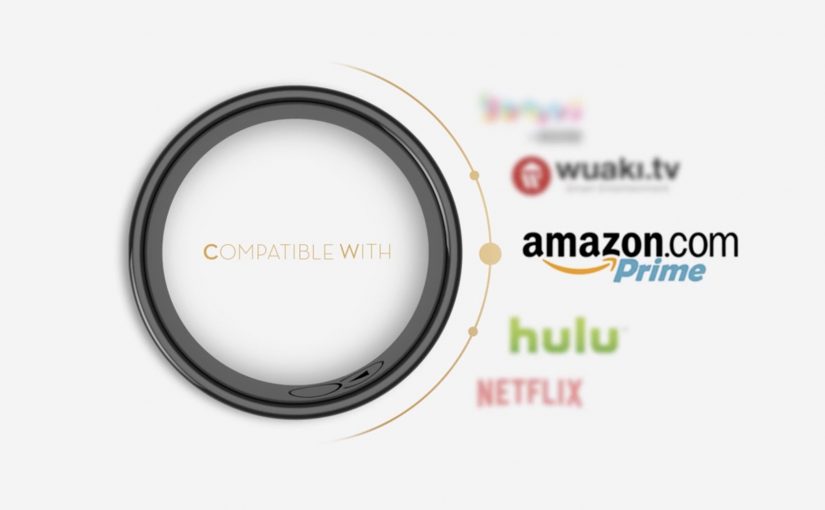
To “fix” the problem, Cornetto creates Commitment Rings. A pair of smart wearable rings designed to block access to agreed shows unless both partners are watching together.

How the rings enforce “we watch together”

The mechanism is NFC proximity plus a companion app. The rings connect to a smartphone over NFC. In the app, users register the shows they want to watch as a couple. From that point on, the next episode only plays if both people are present and their Commitment Rings are nearby, effectively locking the series unless the pair is together.

In subscription streaming culture, shared series have become a relationship ritual, so small “watching ahead” moments can carry real emotional weight.

Why it lands

This idea works because it treats a modern micro-conflict as if it deserves a formal solution, and that exaggeration is the joke. The rings also make the conflict visible and measurable. Either both are present or the episode does not start, which turns a vague promise into a concrete rule. It is a product-shaped punchline that still maps cleanly to a real behavior.

Extractable takeaway: When a cultural habit creates a recurring “tiny betrayal”, build a playful constraint that makes the rule unmistakable, then let the product itself carry the story in one sentence.

What Cornetto is really buying

This is not about launching a scalable wearable business. It is a brand move that places Cornetto inside a current cultural conversation, binge-watching, couples, and the social etiquette of streaming. The rings function like a physical metaphor for commitment, then redirect that metaphor back to the brand’s role in shared moments.

The real question is whether a brand can turn a small relationship rule into a product-shaped cultural story people want to share.

At the moment there aren’t any pricing details or release dates for this particular wearable, so you’ll have to keep checking the Series Commitment website for more details about it, or register with the site to receive more information about the product.

What to borrow from the idea

  • Start from a recognizable behavior. The audience must immediately know the “problem” from their own life.
  • Make the solution overly literal. The comedy comes from treating a small issue with disproportionate tech seriousness.
  • Build a crisp constraint. A simple rule is more shareable than a clever explanation.
  • Create a proofable mechanic. NFC proximity is easy to understand and easy to demonstrate on camera.

A few fast answers before you act

What are Cornetto’s Commitment Rings?

A pair of NFC-enabled rings designed to prevent “watching ahead” by only unlocking selected shows when both partners and their rings are nearby.

How does the locking actually work?

Users register the shows in an app. When someone tries to play a new episode, the app checks whether both rings are in close proximity, then blocks or allows playback.

What problem is the campaign targeting?

So-called “binge-cheating”. Watching episodes alone, out of sync with a partner, then hiding it or re-watching to cover it up.

Is this positioned as a real product or a campaign stunt?

It is presented as a product concept tied to a campaign, with sign-up messaging and no clear pricing or release timing in the original write-up.

What is the key lesson for marketers?

If you can translate a current cultural tension into a simple, demonstrable rule, the rule becomes the shareable story, and the brand becomes part of the conversation.

Québec City Magic Festival: The Magic Poster

To promote the Québec City Magic Festival, lg2 makes the poster behave like a trick, not a billboard.

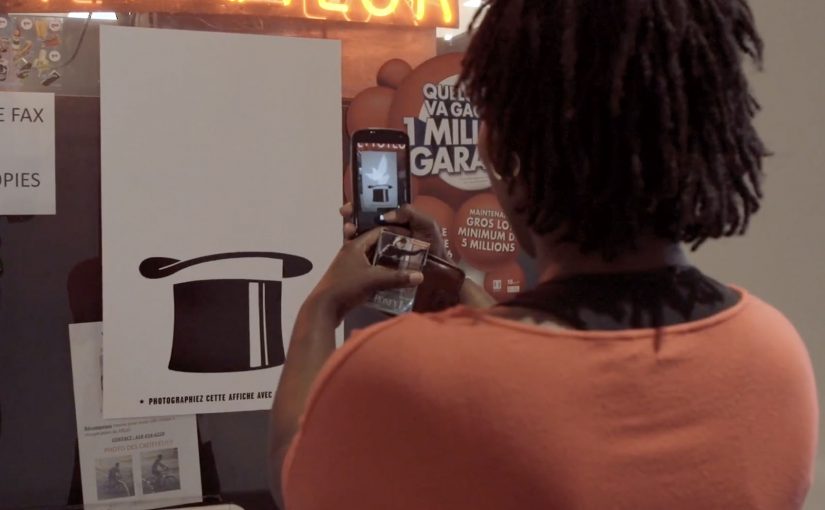
The creative is a magician’s hat poster with a message printed in invisible ink. Curious passers-by discover the mechanic by doing what people already do. They pull out a phone, take a picture, and turn the flash on. The flash reveals the hidden copy, and a lucky few are rewarded with a free ticket for the festival’s closing show.

A poster that turns curiosity into participation

The mechanism is invisible ink plus a flash-triggered reveal. Instead of asking for attention, the poster pays attention back. It gives you a reason to stop, and it gives you a satisfying “aha” the moment you do.

In high-traffic city out-of-home placements, the best interactive work rides on habits people already have, not instructions they have to learn.

In out-of-home, the strongest interactive ideas do not demand a new behavior. They attach to a behavior already in the environment and simply add a twist.

Why it lands for a magic festival

The medium is perfectly aligned with the message. The campaign does not merely advertise magic. It performs magic in the street. That alignment makes the experience feel like a preview of the festival rather than an ad for it. The real question is whether the medium can demonstrate the experience you are selling, not just describe it.

Extractable takeaway: When promoting an experience product, make the marketing behave like the product. Let the audience sample the feeling, not just read the promise.

The free-ticket twist strengthens the loop. The reveal provides instant reward. The prize provides delayed reward. Both motivate sharing, because people want friends to try it and to see if they win.

How to design a flash-reveal OOH interaction

  • Hide something worth revealing. The reveal must feel like a payoff, not a gimmick.
  • Use a native trigger. Flash photography is a default phone capability, not an app install.
  • Reward the behavior. Even a small chance of winning can meaningfully increase participation.
  • Make it repeatable. The interaction should be easy enough that people can show someone else on the spot.

A few fast answers before you act

What is “The Magic Poster” concept?

A festival poster printed with invisible ink that reveals its message when someone photographs it with a phone flash, turning a passive billboard into a small magic trick.

Why is the flash-triggered reveal effective?

It uses a built-in phone behavior, creates instant payoff, and turns the audience into the operator of the trick, which increases attention and sharing.

What makes it more than a novelty poster?

The mechanic reinforces the product truth. The campaign demonstrates magic rather than merely claiming it, making the ad itself a preview of the festival experience.

How can brands adapt this without copying the exact technique?

Design a simple reveal that matches your story, attach it to a native behavior in the environment, and ensure the revealed content is genuinely rewarding, not just hidden for hiding’s sake.

What should the hidden message say?

Keep the revealed copy short and emotionally rewarding in one glance, so the flash moment feels like a payoff and not a puzzle.