JetBlue’s ground rule for the sky
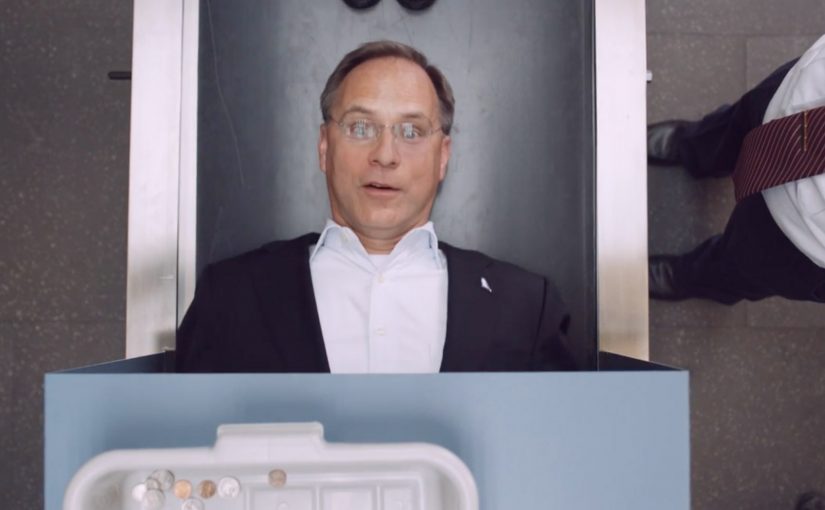
JetBlue has a new credo: “If you wouldn’t take it on the ground, don’t take it in the air.” The carrier’s first ads from Mullen were described at the time as using hidden cameras in Manhattan to illustrate the point. The clip that’s still available is the CEO version. JetBlue’s CEO, Dave Barger, has a lot to say and nothing to hide.
What this execution is really selling: transparency as a brand behavior
This is not a product demo. It is a credibility play. By “credibility play,” I mean a trust-building move where behavior and voice do the convincing, not feature claims. Putting the CEO front and center makes the promise feel like an internal standard, not just a campaign line. Because leadership voice is hard to outsource, the claim reads as accountable, not decorative.
When a service brand uses leadership voice in a short spot, it is trying to compress distance: less “corporate statement,” more “here’s what we stand for.”
In service categories where trust is fragile, a simple fairness test plus a human spokesperson can communicate differentiation faster than feature claims.
In high-frequency service categories, transparency only lands when it is expressed as a behavioral rule customers can reuse without you in the room.
Why the credo works
The line is a mental model. It creates a “ground test”: if a behavior feels unacceptable in a taxi, store, or restaurant, it should feel unacceptable in an airplane cabin too. That reframing lets people judge the category with everyday rules they already believe in.
Extractable takeaway: If you can turn your promise into a simple test people apply to new situations, you get a platform that travels faster than feature claims.
The business intent hiding in plain sight
This is competitive positioning disguised as common sense. The brand is implicitly calling out industry behaviors customers resent, then claiming the moral high ground by promising not to play those games.
The real question is whether you can name a rule customers can repeat and use to judge you.
Even if you never remember the details of the ad, you remember the test. That is the goal.
Moves behind a repeatable promise
- Make the line a test, not a slogan. If people can apply it to new situations, it travels.
- Put a real human behind the promise. A credible spokesperson turns positioning into accountability.
- Keep the claim grounded in everyday fairness. “Would you accept this here?” is easier than explaining features.
- Leave room for multiple executions. A platform is only useful if it can produce many spots without getting weird.
A few fast answers before you act
What is JetBlue’s “Nothing to Hide” spot about?
It uses a simple fairness credo. If you would not accept something on the ground, you should not accept it in the air. In this clip, CEO Dave Barger delivers that message directly.
Why use a CEO in an airline ad?
It signals accountability and reduces corporate distance. The promise feels like a leadership standard, not just a marketing claim.
What does “If you wouldn’t take it on the ground” actually do for the brand?
It gives customers a fast rule to judge airline behavior. That reframes category annoyances as unacceptable, and positions JetBlue as the alternative.
Is this a campaign line you can extend?
Yes. The “ground test” can be applied to many service irritations, which makes it a reusable platform rather than a one-off message.
What is the biggest execution risk?
If real experience does not match the fairness promise, the line becomes a liability. The clearer the credo, the higher the expectation it creates.