
The Escape Service: Press the red button

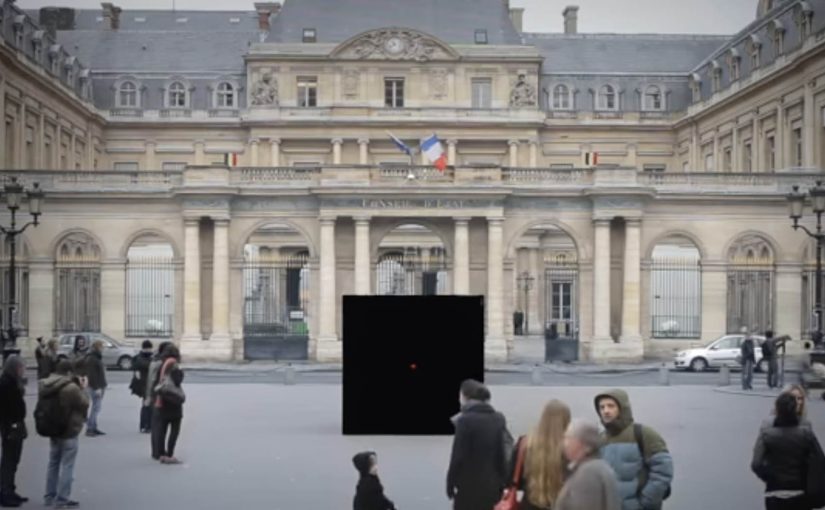
DDB Paris creates a new service for the French rail booking site Voyages-sncf.com. “The Escape Service” lets people escape to any destination they want by simply pushing a magical red button.

Together with the French collective Pleix, they design three celebrations that emerge from a 3×3 meter black box that unfolds like a giant jack-in-the-box. In Paris, the cube lures passers-by in, asks where they want to go, then bursts into a destination-themed surprise and hands out a mock ticket for the chosen trip.

The film also ends by inviting viewers to press the button themselves and experience a first-person view version of the Escape Service. That first-person view version is a POV cut where the camera takes your place at the button.

A black box that behaves like a travel shortcut

The mechanism is deliberately minimal. There is one obvious choice, press the red button. The payoff is oversized, because the box transforms into a celebration that makes “go anywhere” feel real without explaining routes, prices, or schedules.

In European rail and travel marketing, turning an abstract promise like “escape” into a public, physical moment helps people imagine the journey instantly.

Why the red button is the real interface

The button turns travel intent into an action you can perform in one second. That matters because it removes hesitation. You do not need to “plan” to participate. You only need curiosity, and the street does the rest.

Extractable takeaway: When your promise is intangible, make the first step a one-second action that people can try without planning, then let the payoff do the explaining.

What the campaign is really proving for Voyages-sncf.com

This is not about a single destination. It is about choice and immediacy. The idea says: if you can decide on the spot, you can book on the spot. The mock ticket detail pushes the story from spectacle into something you can take away and show.

The real question is whether your service promise can be compressed into one action people will try without needing more information.

This kind of one-action interface is worth copying when you need to turn curiosity into intent fast.

Moves to borrow from the red-button mechanic

  • Reduce the interaction to one decision. One button is better than a menu when you need street participation.
  • Make the reward visible to bystanders. If spectators can understand the payoff, the crowd recruits the next person.
  • Personalize the outcome fast. A destination choice and a ticket-like takeaway make the moment feel “mine”.
  • Bridge offline to online without forcing it. A first-person online version extends reach without changing the story.

A few fast answers before you act

What is “The Escape Service” for Voyages-sncf.com?

It is a public pop-up experience where a black box invites people to press a red button, choose a destination, and trigger a surprise celebration that dramatizes the idea of escaping by train.

Why use a red button and a box?

Because it is self-explanatory. A single button removes friction and creates a clear before-and-after moment that people remember and film.

What makes this more than a stunt?

The mechanic maps cleanly to the service promise: pick a destination and go. The mock ticket detail turns the experience into a personal travel intent, not only entertainment.

How does this support online booking?

It makes “decide and book” feel effortless. The film’s first-person online extension reinforces that the same impulse can continue digitally.

What is the transferable lesson for service marketing?

When your product is intangible, build a physical interface that compresses the benefit into one action and one memorable payoff.
Coca-Cola: Happiness Truck

Happiness Machine, now with a Rio beach twist

Coca-Cola, whose Happiness Machine video was described as a runaway hit for the brand last year with 3 million views, is back with a sequel that offers more of an international flavor.

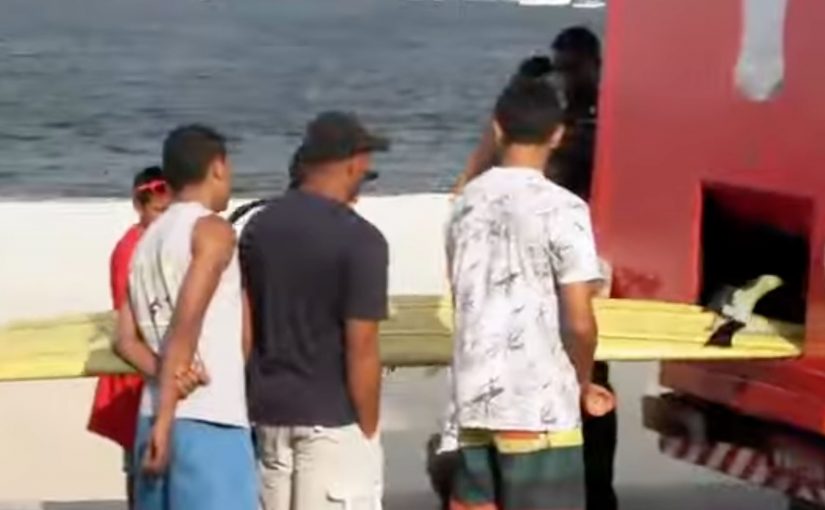
“Happiness Truck” takes place in Rio de Janeiro and is a twist on the original idea, which showed a Coke machine that spit out free Cokes, flowers, balloon animals, pizza and submarine sandwich at a college cafeteria. This time around, a special truck dispenses free Cokes as well as a beach toy, a surfboard, sunglasses, beach chairs, t-shirts and soccer balls.

The mechanic: one button, a public reward loop

The idea is almost embarrassingly simple. Put a big, inviting “PUSH” button on a branded truck. Let passersby trigger it. Then over-deliver on what comes out. Drinks first, then gifts that match the location and mood. Here, “public reward loop” means one person triggers the moment, everyone sees the payoff, and the crowd reaction invites the next press.

The Coca-Cola Happiness Truck is an experiential marketing activation where a branded truck dispenses free drinks and beach items to people who press a large button, turning a giveaway into a shared street moment.

In global FMCG marketing, these activations work best when the surprise is immediate, the moment is public, and the brand behavior feels generous rather than promotional.

Why it lands: the brand promise becomes observable

People do not need to be convinced by copy. They watch someone press a button and receive something real. The real question is whether bystanders can understand the payoff without explanation. The crowd reaction provides social proof, and the escalating gifts create a mini narrative that keeps people watching. The Rio-specific items, surfboards, beach chairs, sunglasses, make the generosity feel locally tuned, not copy-pasted from the first film. Because the trigger is public and the payoff is instant, the activation creates social proof without explanation.

Extractable takeaway: If the audience can see the action and the reward at a glance, you earn belief through visible behavior, not through messaging.

The business intent behind the “international sequel”

This is a sequel strategy that scales a successful format while refreshing the setting. It keeps the core concept intact. Surprise rewards from a familiar Coca-Cola object. and broadens it into a global “where will happiness strike next” platform.

It also turns brand warmth into a repeatable content engine. Each location can add its own culturally legible gifts, which gives the series room to travel without changing the structure.

Steal this street-activation pattern

This is worth copying when you can make the trigger obvious and the payoff immediate in public.

  • Make the trigger obvious. One button beats instructions.
  • Design escalation. Start with the expected reward, then add unexpected layers to hold attention.
  • Localize the gifts. Choose items that instantly signal place and mood.
  • Capture the crowd, not just the hero. The bystanders are the credibility layer and the amplification engine.

A few fast answers before you act

What is Coca-Cola’s Happiness Truck?

It is a street activation in Rio de Janeiro where a branded truck dispenses free Coca-Cola and beach-themed gifts to passersby who press a large “PUSH” button.

How is it related to the Happiness Machine?

It is described as a sequel that keeps the same surprise-generosity structure, but moves it from a cafeteria vending machine to a public street setting.

What is the core mechanic, step by step?

A public trigger creates a clear moment of action. An immediate reward lands first. Then the activation escalates with location-fit gifts, and filmed reactions provide the proof and the content.

Why does the push-button format work so well?

It removes friction and makes the story instantly legible. One simple action creates a visible payoff, so bystanders understand it immediately and social proof builds on the spot.

Why does localization matter in this execution?

The Rio-specific items make the generosity feel tuned to the place and mood, not copy-pasted. That detail makes the sequel feel fresh while keeping the structure familiar.

What business intent is this kind of activation serving?

It turns a brand promise into observable behavior and a repeatable content format. The same structure can travel to new locations without changing the concept.

Mobistar: Basta Call Center Prank

Mobistar is long described as one of Belgium’s leading mobile operators and one of the country’s biggest advertisers. Over time, it also becomes known in public conversation for frustrating customer service.

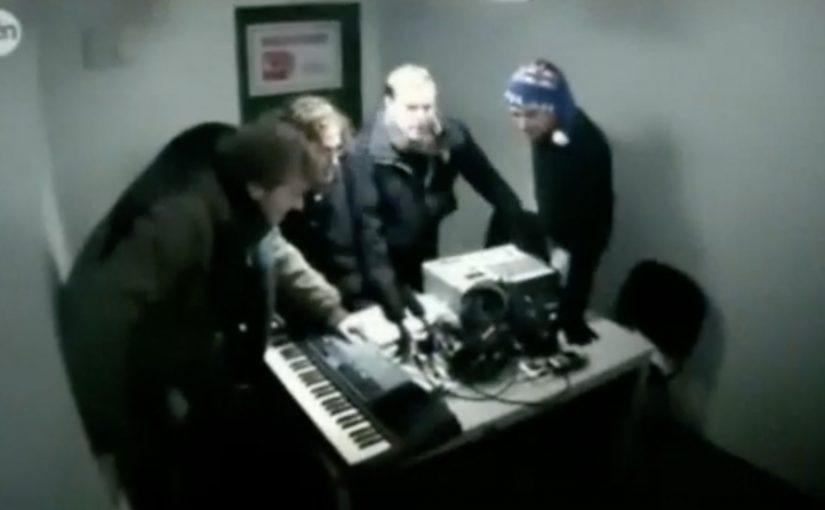
So on January 10, 2011, Belgian TV makers at VRT decide to prank Mobistar, and the segment later airs on their new comedy show, Basta. A Mobistar security guard named Mathieu becomes the unlikely hero, largely because he stays calm and friendly throughout.

The prank that turns “call center pain” into a live experience

The execution is cruelly simple. A physical setup triggers a phone call. That phone call leads into an intentionally endless customer-service loop of transfers, hold music, dead ends, and “let me check with my boss” deflections. The joke is not the person calling. The joke is the system that can trap anyone, even someone trying to do the right thing.

In European telecom markets, customer service reputation can outweigh product features in the public conversation.

Why it lands: it exposes the gap between message and reality

Modern consumers get tired of overpromising brand messages, especially when the lived experience does not match. This prank goes viral because it dramatizes that mismatch without a lecture. You can feel the frustration build, and you recognize it instantly if you have ever battled a helpdesk script.

Extractable takeaway: If your brand invests heavily in advertising but underinvests in service, someone else will eventually tell your story for you. The narrative people remember will be the experience, not the tagline.

The uncomfortable lesson for big advertisers

The real question is whether your marketing is amplifying a service experience worth talking about, or drawing more attention to one people already resent.

The punchline carries a serious point. If brands want trust, they need to fund the product and the service before they fund the promise. Great campaigns amplify a great experience. They cannot replace it for long.

What to steal if you run CX, service, or brand

  • Audit your “moments of truth”: contact centers, chat, returns, and complaints shape reputation faster than brand film.
  • Measure friction, not just satisfaction: transfers, resolution time, and repeat-contact rate are where trust is won or lost.
  • Stop advertising around known pain: fix the root issue first, then scale the promise.
  • Turn service into a brand asset: when service is excellent, it becomes shareable for the right reasons.
  • Protect frontline humans: if your system is broken, your staff and customers suffer together.

A few fast answers before you act

What happened in the Mobistar prank?

A TV team stages a scenario that forces a Mobistar employee into an exaggerated, endless customer-service loop, mirroring the frustrations customers report when they seek help.

Why did Mathieu become the “hero” of the clip?

Because he stays polite and persistent while the system around him becomes increasingly absurd. His demeanor contrasts with the experience the prank is criticizing.

What is the business takeaway for brands?

Advertising cannot sustainably outshine poor service. When the lived experience disappoints, culture and media will surface the truth faster than any campaign can mask it.

How should a telecom brand respond to criticism like this?

Fix operational drivers first: staffing, escalation paths, first-contact resolution, and transparency. Then communicate improvements with proof, not slogans.

What should leaders measure to prevent this kind of reputational damage?

Resolution time, transfer rate, repeat-contact rate, complaint volume by issue, and sentiment in customer conversations. These tend to predict reputation better than awareness metrics.