Holiday attention built from imagination
The most effective holiday campaigns often turn the audience into the media. LEGO’s execution is a clean example of that approach.
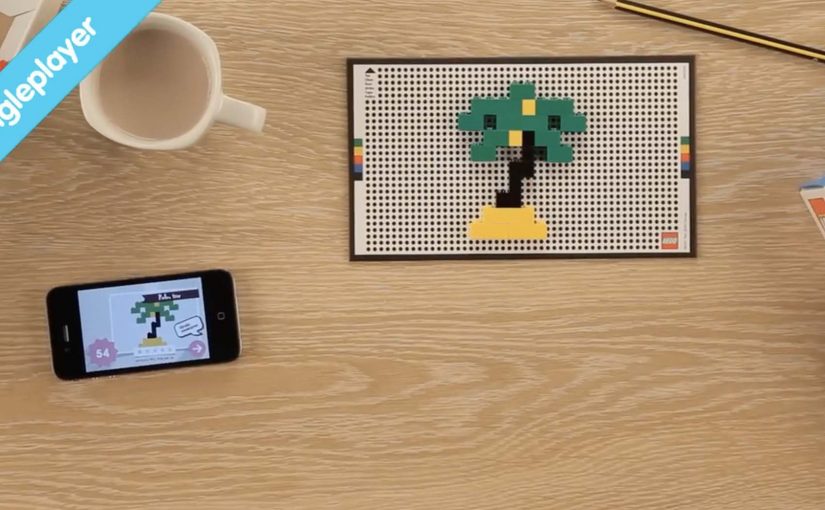
To create positive attention around the LEGO brand, a global digital social campaign challenged people to take their imagination with the well-known LEGO bricks one step further and share the results via digital media.
The campaign was dubbed Happy Holiplay and was run for three weeks. LEGO fans from 119 countries participated actively and uploaded pictures to www.happyholiplay.lego.com.
How Happy Holiplay worked in practice
The mechanism was community-powered. LEGO provided a clear prompt and a simple submission behavior. Build something imaginative with bricks, capture it, and share it digitally.
The campaign site acted as the collection point. The internet did the distribution. Every upload became both participation and promotion.
That loop matters because the content and the invitation travel together. Each creation nudges the next person to build and share.
In global consumer brands with strong fan communities, seasonal social campaigns work best when the participation loop is already native to the product and culture.
Why it landed for a global fan base
LEGO was naturally suited to participatory storytelling. The product already trained people to invent, remix, and share. Happy Holiplay did not try to manufacture behavior. It amplified what the community already loved doing.
Extractable takeaway: When your product teaches a repeatable creative habit, your job is to frame it with a simple prompt and a visible gallery, not to over-produce the story.
The holiday timing mattered too. December is a period when people are already in “make and share” mode, and when families have more reasons to create together.
The business intent behind Happy Holiplay
The goal was to generate positive brand attention during a competitive seasonal window by turning the community into the main media channel.
The real question is whether you can turn a seasonal moment into a repeatable participation loop, not whether you can publish more holiday content.
Rather than paying for attention, LEGO earned it by creating a platform for fan creativity, and by making participation feel like a celebration instead of a promotion.
If the behavior is not already native, a participation push will feel like work and the content will not compound.
What to steal for your next social campaign
- Use a behavior that is already native to the brand. If the audience already creates, design the campaign around creation.
- Keep the action simple. Build, capture, share. Low friction increases global participation.
- Give the community a home base. A clear destination makes participation feel official and collectible.
- Let contributors be the content engine. User-generated content (UGC) scales faster than brand-made assets when the prompt is right.
A few fast answers before you act
What was LEGO’s Happy Holiplay?
A global digital social campaign that invited fans to create imaginative LEGO builds and share them online.
How long did the campaign run?
It ran for three weeks.
How many countries participated?
LEGO fans from 119 countries took part and uploaded pictures to the campaign site.
Why did the campaign work so well for LEGO?
Because it amplified a natural LEGO behavior. Building and sharing creations. It aligned with the community’s existing motivations.
What is the key takeaway for other brands?
Design participation around an audience behavior you already own, then make sharing simple enough to scale globally.