
Renault Espace: iPad 360° View

Renault Espace: iPad 360° View

The Renault Espace is a large MPV from French car-maker Renault. With a new iPad app, Renault gives users an onboard view of the Espace like never before.

The application is a 360 degree interactive video. All you need to do is tilt your iPad and explore different angles as if you were right there.

A virtual showroom that behaves like your head

The mechanism is refreshingly direct. The app uses the iPad’s motion sensors to map physical movement to viewpoint changes inside the car. Instead of tapping through static photos, you “look around” by moving the device. It is a smart use of motion sensing because it keeps the interface invisible and the focus on the cabin.

In automotive consideration journeys, anything that increases spatial understanding of the interior helps bridge the gap between online browsing and a test drive.

Why it lands

Interior experience is one of the hardest things to communicate in standard car marketing. This solves that by letting the user control perspective. It also creates a calmer kind of interactivity. No menus, no instructions, no friction. Just tilt and explore.

Extractable takeaway: When your product has a strong spatial component, give people viewer control over perspective. It builds confidence faster than adding more copy.

What Renault is really trying to achieve

The real question is whether this kind of “tilt to explore” experience reduces uncertainty enough to make a showroom visit feel worth it.

This is a digital test-sit, a lightweight simulation of sitting in the cabin so you can judge layout and comfort before a showroom visit. It is designed to make the Espace feel accessible before a showroom visit, and to reduce uncertainty about cabin layout, visibility, and perceived comfort. Done well, it also keeps attention longer than a typical brochure flow.

Steal this for spatial product demos

  • Use motion as navigation. If the device supports it, motion control can feel more natural than UI controls.
  • Keep the interaction single-mode. One behaviour. Tilt to look. That simplicity is the feature.
  • Prioritise the interior. For family vehicles, cabin experience often sells more than exterior styling.
  • Let curiosity drive. Give users freedom to explore, rather than forcing a predetermined tour.
  • Make it fast to load. Interactive video dies when buffering becomes the dominant experience.

A few fast answers before you act

What is this Renault Espace iPad app in one sentence?

It is an iPad experience that uses a 360 degree interactive onboard video so users can tilt the device to explore the Espace interior from different angles.

Why use 360 video instead of a standard photo gallery?

Because it communicates space and layout more effectively. Users can look where they want, which reduces uncertainty faster than scrolling images.

What makes “tilt to explore” feel intuitive?

It mirrors how people look around in real life. Physical movement maps directly to viewpoint changes, so interaction feels natural.

What is the main execution risk?

Performance. If motion tracking feels laggy, or the video quality is poor, users will abandon quickly and the experience will feel like a gimmick.

What should you measure if you ship this type of experience?

Time spent, percentage of users who explore multiple viewpoints, completion rate, repeat sessions, and whether it correlates with test-drive requests or dealer inquiries.
The Escape Service: Press the red button

The Escape Service: Press the red button

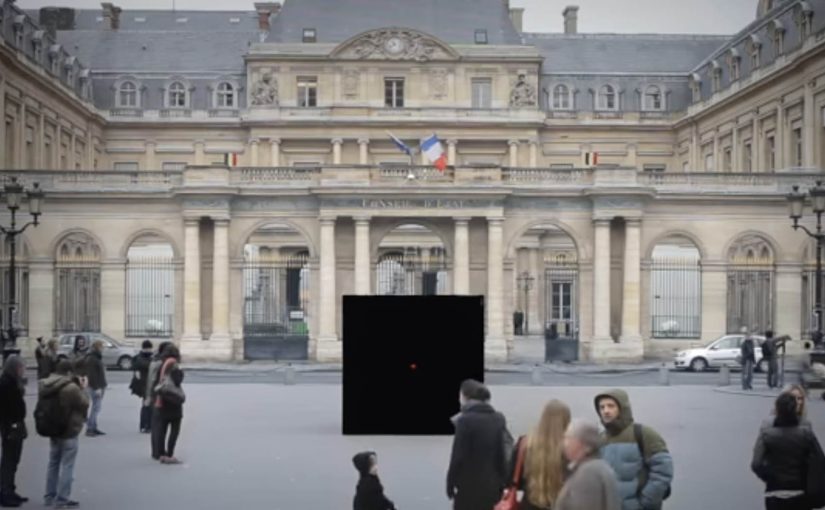
DDB Paris creates a new service for the French rail booking site Voyages-sncf.com. “The Escape Service” lets people escape to any destination they want by simply pushing a magical red button.

Together with the French collective Pleix, they design three celebrations that emerge from a 3×3 meter black box that unfolds like a giant jack-in-the-box. In Paris, the cube lures passers-by in, asks where they want to go, then bursts into a destination-themed surprise and hands out a mock ticket for the chosen trip.

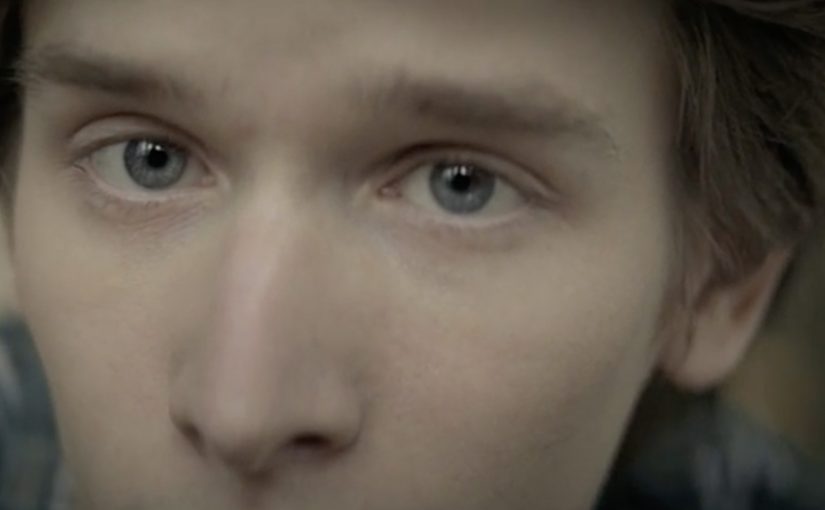
The film also ends by inviting viewers to press the button themselves and experience a first-person view version of the Escape Service. That first-person view version is a POV cut where the camera takes your place at the button.

A black box that behaves like a travel shortcut

The mechanism is deliberately minimal. There is one obvious choice, press the red button. The payoff is oversized, because the box transforms into a celebration that makes “go anywhere” feel real without explaining routes, prices, or schedules.

In European rail and travel marketing, turning an abstract promise like “escape” into a public, physical moment helps people imagine the journey instantly.

Why the red button is the real interface

The button turns travel intent into an action you can perform in one second. That matters because it removes hesitation. You do not need to “plan” to participate. You only need curiosity, and the street does the rest.

Extractable takeaway: When your promise is intangible, make the first step a one-second action that people can try without planning, then let the payoff do the explaining.

What the campaign is really proving for Voyages-sncf.com

This is not about a single destination. It is about choice and immediacy. The idea says: if you can decide on the spot, you can book on the spot. The mock ticket detail pushes the story from spectacle into something you can take away and show.

The real question is whether your service promise can be compressed into one action people will try without needing more information.

This kind of one-action interface is worth copying when you need to turn curiosity into intent fast.

Moves to borrow from the red-button mechanic

  • Reduce the interaction to one decision. One button is better than a menu when you need street participation.
  • Make the reward visible to bystanders. If spectators can understand the payoff, the crowd recruits the next person.
  • Personalize the outcome fast. A destination choice and a ticket-like takeaway make the moment feel “mine”.
  • Bridge offline to online without forcing it. A first-person online version extends reach without changing the story.

A few fast answers before you act

What is “The Escape Service” for Voyages-sncf.com?

It is a public pop-up experience where a black box invites people to press a red button, choose a destination, and trigger a surprise celebration that dramatizes the idea of escaping by train.

Why use a red button and a box?

Because it is self-explanatory. A single button removes friction and creates a clear before-and-after moment that people remember and film.

What makes this more than a stunt?

The mechanic maps cleanly to the service promise: pick a destination and go. The mock ticket detail turns the experience into a personal travel intent, not only entertainment.

How does this support online booking?

It makes “decide and book” feel effortless. The film’s first-person online extension reinforces that the same impulse can continue digitally.

What is the transferable lesson for service marketing?

When your product is intangible, build a physical interface that compresses the benefit into one action and one memorable payoff.

AIDES: A Life

AIDES: A Life

AIDES is described as a leading association in the fight against HIV/AIDS in France and Europe, with a long-running focus on both rights and prevention.

One of its prevention messages is delivered through a short film by TBWA\Paris called “A Life.”

A life story told in reverse

The film is structured as a life narrated backwards. It starts with old age and rewinds through the expected milestones. Family, love, travel, the sense of a full life. Then the rewind lands on a single moment in youth where HIV enters the story, and the future we just witnessed is revealed as the life that will not happen.

In public-health communications, prevention messages compete with fatigue and stigma, so narrative devices have to create attention without sounding like a lecture.

Why the reversal hits harder than a warning

The real question is how to make a familiar prevention warning feel personal enough to interrupt complacency.

Instead of describing risk, the spot makes the consequence legible as absence. It turns prevention from “avoid a bad outcome” into “protect the life you think you are going to have.” The backwards structure keeps the viewer engaged because it feels like a human story first, and only becomes a prevention message at the moment the timeline snaps into focus.

Extractable takeaway: If your message is easy to ignore in abstract form, anchor it in a relatable future, then reveal the single preventable turning point that removes that future.

What the campaign is trying to change

The intent is not awareness of HIV as a concept. It is behavior. That is the stronger strategic move, because the film is built to influence a decision, not just to restate a known risk. Use protection, and treat the decision as something that safeguards years, not minutes. The creative also avoids positioning people living with HIV as “other.” It focuses on a moment anyone can recognize. A choice made early that reshapes everything later.

What to steal for prevention and behavior-change work

  • Start with a human narrative. Let the viewer lean in before you reveal the message.
  • Make the consequence concrete. Show what disappears, not just what might happen.
  • Link the call-to-action to identity. “Protect your life” often motivates more than “avoid a disease.”
  • Use one clear turning point. A single, memorable moment is easier to recall than a list of risks.

A few fast answers before you act

What is the core creative device in “A Life”?

A backwards life narration that rewinds from old age to youth, then reveals the preventable moment where HIV changes the future that was just described.

What behavior is the film trying to encourage?

Prevention, especially the consistent use of protection, by reframing it as protecting your future rather than reacting to fear.

Why does telling the story in reverse work?

It sustains attention and makes the twist meaningful. The viewer first invests in a life they recognize, then understands what is at stake when that life is taken away.

What should a marketer avoid when using a similar approach?

Over-explaining the moral. The power comes from the reveal. If you add heavy-handed copy, you reduce the emotional clarity the structure creates.

When is this structure a good fit?

When a prevention message is well-known but routinely ignored, and you need a fresh device that turns a familiar warning into a personal, memorable stake.