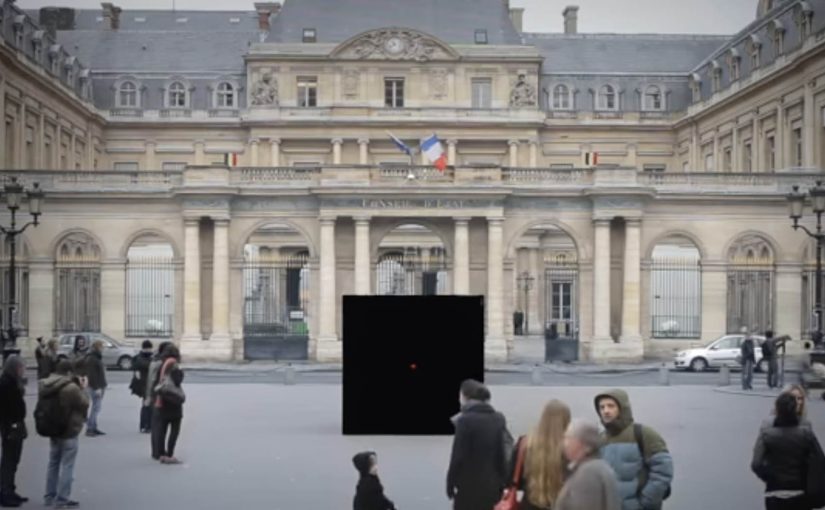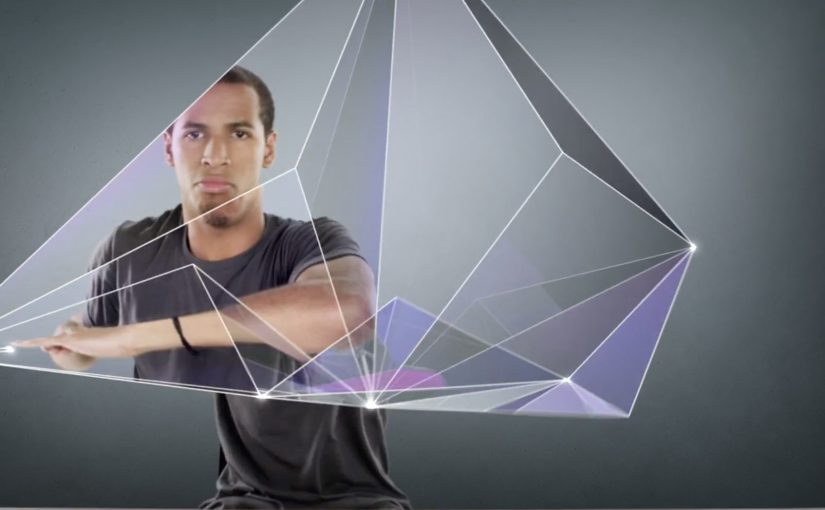
For the launch of the Galaxy S II in France, Samsung brought JayFunk, the internet finger tutting phenomenon, from Los Angeles to Paris to deliver an incredible and surprising choreography.
When “touch” becomes performance
Finger tutting is a style of dance where intricate shapes and geometric figures are created using hands and arms. Samsung frames that craft as the purest expression of what a touch device asks of you. Your fingers become the headline.
The mechanic is the metaphor
The film does one clear thing. It takes a niche skill. It stages it like a reveal. It lets the choreography do the talking, then uses visual treatment to make the hands feel almost “interface-like”. The message is implicit. This is a phone built for what your fingers can do.
In consumer electronics launches, the fastest route to preference is often a single metaphor that makes a feature feel obvious without listing specifications.
Why it lands
This works because it respects attention. There is no explanation tax, no product demo checklist, and no forced storyline. It is a short, repeatable spectacle that makes “touch” feel expressive, not functional. Because the performance externalizes touch as a visible skill, the product promise becomes intuitive before the viewer processes a single specification. Samsung’s own newsroom later described the video as quickly climbing viral charts and reaching millions of views at the time, which fits the format. It is built to be replayed and forwarded.
Extractable takeaway: When your product benefit is hard to visualize, borrow a human craft that embodies it, then let the craft carry the proof while the brand stays in the background.
What Samsung is really signalling
The brand is not only selling a handset. It is staking a position in culture. Touchscreens are not just input. They are a playground. Casting a specialist performer signals modernity, precision, and mastery, all without ever saying those words.
The real question is how to make touch feel culturally meaningful before anyone asks about specifications.
What launch teams can take from this
- Lead with a single, watchable skill. Spectacle beats explanation when the benefit is sensory.
- Make the metaphor tight. Fingers, touch, gestures. Everything points to one idea.
- Keep product presence restrained. Let the audience connect the dots. It feels smarter and travels better.
- Design for replay. Short, surprising sequences outperform long narratives for launch buzz.
- Use culture as targeting. A niche community can become your amplification engine if you treat it with respect.
A few fast answers before you act
What is the main idea behind “Unleash Your Fingers”?
Turn touch interaction into a cultural performance, so the phone’s core benefit is felt rather than explained.
Why use finger tutting instead of a normal product demo?
Because it externalizes “dexterity on glass” in a way people can immediately understand and want to share.
What should a brand be careful about with a performance-led launch film?
Do not let the performance become disconnected from the product. The metaphor must stay legible, and the brand role must feel earned.
How could a non-tech brand apply the same approach?
Pick a human craft that embodies your promise, then film it so the craft proves the point without heavy narration or feature lists.
What is a practical success metric for work like this?
Beyond views, look for lift in branded search, share rate, completion rate, and recall of the single idea the film is built around.