
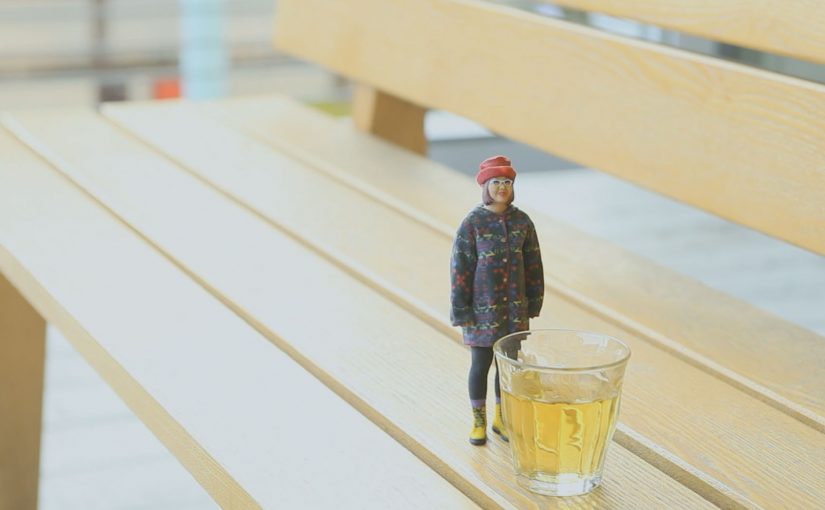
Omote 3D: The 3D Printing Photo Booth

Ever wanted a life-like miniature action figure of yourself. Not a cartoon avatar, but a small, physical replica you can hold in your hand.

Omote 3D makes that possible by setting up what is billed as the world’s first 3D printing photo booth for a limited time at the Eye of Gyre exhibition space in Harajuku, Japan.

From November 24 through January 14, 2013, people with reservations can have their bodies scanned into a computer. Then, instead of a photograph, they receive miniature replicas of themselves.

The miniature replicas are available in three sizes. S (10cm), M (15cm) and L (20cm) for US$264, US$402 and US$528, respectively.

Why this “photo booth” feels like a shift

The mechanism is the message. A booth that normally captures a flat memory instead captures a 3D dataset, then materializes it into a keepsake. The output is not content you scroll past. It is content you place on a shelf.

Extractable takeaway: When you turn personalization into a physical object, it stops being content and starts being a keepsake.

Definition-tightening: this is not 3D “photography” in the traditional sense. It is full-body 3D scanning plus full-color 3D printing, packaged in a familiar photo booth ritual.

In consumer experiences where attention is scarce and products are increasingly interchangeable, turning personalization into a tangible object is a reliable way to earn talk value, meaning people have a reason to talk about it later.

The real question is whether your experience ends as something people display, not something they forget after the moment passes.

What makes it work as an exhibition idea

The booth turns the visitor into the exhibit. It also turns waiting and anticipation into part of the experience, because the “print” is a manufactured object, not an instant print strip. That shift makes the end result feel earned and premium.

Stealable patterns from Omote 3D’s booth

  • Use a familiar ritual as the wrapper. “Photo booth” is instantly understood, even when the technology is new.
  • Make the output physical. Physical artifacts extend the campaign life long after the pop-up closes.
  • Price by meaning, not by material. People pay for identity and memory, not for plastic and ink.
  • Gate with reservations when demand is the story. Scarcity plus scheduling can reinforce that this is special.

Additionally click here to see how Polskie Radio in Poland has used 3D printing technology to market their website.


A few fast answers before you act

What is Omote 3D’s 3D printing photo booth?

It is a pop-up booth that scans your body in 3D, then produces a full-color miniature figure of you instead of a standard photo print.

Why call it a “photo booth” if it prints a figure?

Because it borrows the familiar booth ritual. You step in, you get captured, and you leave with a keepsake. The technology changes, but the mental model stays simple.

How is the miniature created?

Your body is scanned into a 3D model, then the final figure is manufactured via 3D printing in full color and finished as a physical object.

What sizes are offered and what do they cost?

Three sizes are offered. 10cm, 15cm, and 20cm. The listed prices are US$264, US$402, and US$528, respectively.

What is the marketing lesson for brands?

Personalization becomes more valuable when it becomes tangible. A physical output turns novelty tech into an object people keep, show, and talk about.
Lacta: Love Messages on Real Bars

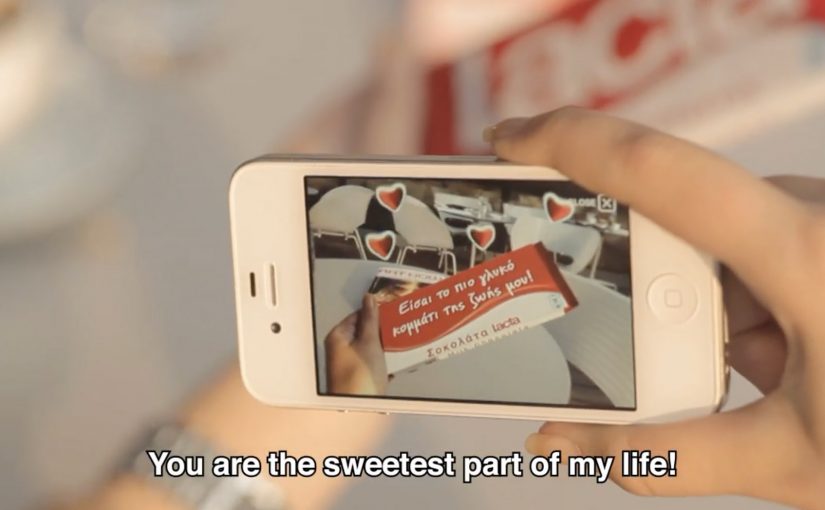
OgilvyOne Athens created another innovative campaign for Lacta Chocolate. This time, people write their own love messages and see them appear on real Lacta bars through an augmented reality mobile app.

The twist is that the message is not “published” online first. It is revealed on the physical product when the receiver scans the wrapper with the app, which turns a simple bar of chocolate into a personalized moment.

Click here to view some of the past Lacta Chocolate campaigns that are equally innovative.

How the AR message reveal works

The mechanism is a clean three-step loop. The sender composes a message in the app and chooses who it is for. The receiver is prompted to use the app too, then scans a Lacta bar to reveal the hidden message in augmented reality. Because the reveal depends on scanning the product, the experience is designed to connect emotion and purchase in the same gesture.

In FMCG gifting categories where love and ritual drive preference, adding a personal reveal layer can create differentiation without changing the core product.

Why it lands

It modernizes a familiar behavior, writing something personal on a gift, without losing the physicality of giving chocolate. The message feels private and earned because it only appears when the recipient holds a real bar in their hands and chooses to reveal it. That makes the brand’s role feel like an enabler of intimacy, not an interruption. That works because the product scan turns anticipation into part of the gift, which makes the interaction feel more meaningful than a standard message.

Extractable takeaway: If you want personalization to drive both attention and sales, tie the reveal to a physical trigger. Make the digital layer unlockable only through the product, so the magic moment and the transaction reinforce each other.

What Lacta is really optimizing for

The real question is how to make personalization pull product demand instead of floating as a nice digital extra.

This is built to turn gifting into repeatable behavior. One person sends a message, another person downloads the app, then the product becomes the key that unlocks the experience. That creates a loop that can scale through relationships rather than through media weight alone.

The strongest strategic choice here is keeping the chocolate bar as the gate to the experience, not just the branded wrapper around it.

What to steal for your own packaging-led digital work

  • Use the pack as the trigger. If the wrapper is the marker, the product stays central.
  • Make the reveal the reward. The moment of discovery is what people remember and retell.
  • Keep the steps simple. Create, send, scan. Anything more complex reduces participation.
  • Design for reciprocity. The best gifting mechanics invite the receiver to respond, not just consume.

A few fast answers before you act

What is the core idea of this Lacta campaign?

An AR mobile app that lets people write a love message that only appears when the recipient scans a real Lacta chocolate bar.

Why does tying the reveal to the physical bar matter?

It keeps the product as the gateway to the experience, so personalization supports purchase rather than replacing it.

What is the main emotional benefit versus a normal digital message?

The message feels more intimate because it is hidden and revealed in a physical moment, not broadcast in a feed.

Why not publish the message online first and then link to the product?

Because that would make the product secondary. Here, the chocolate bar is the access point, so the physical gift remains central to the experience.

What is the biggest execution risk with AR-on-pack ideas?

Friction. If install, scanning, or recognition is unreliable, the magic becomes disappointment. The reveal has to work fast and consistently.

J.C. Penney: Santa Tags

When a QR code stops being a link and becomes a keepsake

Brands generally use QR codes to direct consumers to websites. But during the holiday season, J.C. Penney takes a different approach.

Shoppers receive a “Santa Tag” sticker with each purchase. The tags contain individualized QR codes that can be scanned with any QR reader to record a personalized voice message. Gift recipients can then scan the same code to hear that recorded message when they open their gifts.

The mechanic: scan once to record, scan again to reveal

The clever part is the two-phase use. In store, the code is a recording trigger. At home, the code becomes the playback trigger. That turns an otherwise generic sticker into a private moment between giver and receiver, without requiring an app download or a new behavior beyond scanning. It works because the same code carries the message from purchase to unwrapping, so the technology fades back and the emotional payoff arrives at the right moment.

In retail holiday campaigns, the most effective “personalization” is often not product customization. It is emotion customization, meaning the product stays the same but the moment around it becomes personal. A small, authentic message beats a bigger discount for memory value.

The real question is how to turn a low-cost store touchpoint into a high-memory part of the gift itself.

Why it lands

This adds meaning at the exact moment people care about meaning. Gift giving. It also creates a reason to choose one retailer over another that is not price-driven, because the value is in the experience the gift will deliver later. The tag travels beyond the store and completes itself at unboxing, which is where holiday stories are actually made.

Extractable takeaway: If you want a simple activation to feel premium, design it to “pay off later” in a private moment, and keep the tech invisible enough that it feels like magic, not a feature.

What retail holiday teams should steal

  • Make the code do something human. QR is not the idea. The idea is a recorded message that travels with the gift.
  • Design for zero friction. No app, no sign-up, no learning curve. Just scan and speak.
  • Extend the experience beyond the store. The activation finishes at home, which increases brand recall.
  • Build around an emotional ritual. Holiday gifting already has meaning. The best activations amplify it rather than invent it.

A few fast answers before you act

What are J.C. Penney “Santa Tags”?

They are gift-tag stickers with individualized QR codes that let shoppers record a voice message and let recipients scan later to hear that message during unwrapping.

What makes this different from typical QR code marketing?

The QR code is not a link to a website. It is a trigger for recording and playback, turning the code into a personal keepsake.

Why does the two-phase scan mechanic matter?

It creates a delayed payoff. The experience completes at the moment the gift is opened, not at the moment of purchase.

What is the main lesson for retailers?

Small, low-friction personalization that amplifies an existing ritual can differentiate a store without discounts.

What’s the risk if a brand copies this?

If scanning fails or playback is unreliable, the emotional moment collapses. The tech must be extremely dependable.