
Mercedes-Benz: Yes, A.I. Do

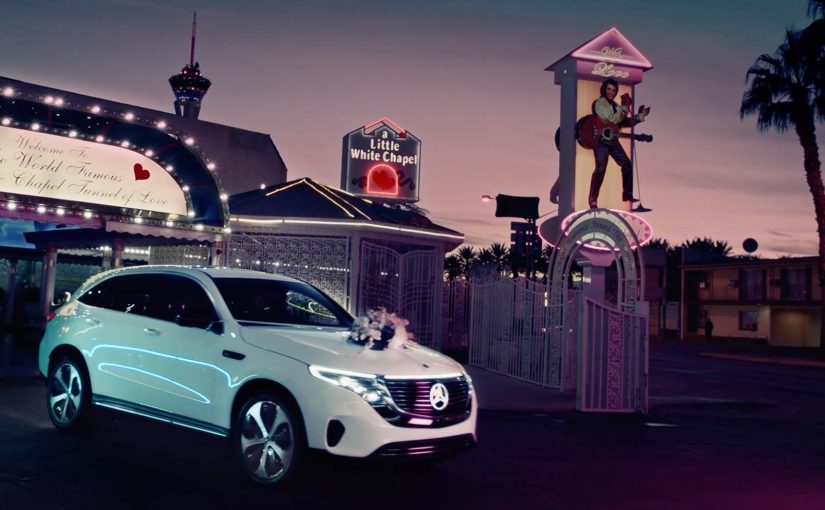
For the world premiere of their new Mercedes-Benz EQC at CES 2019 in Las Vegas, Mercedes transformed their new model into a wedding carriage. Four lucky couples were invited to test drive the new Mercedes-Benz EQC on the roads of Las Vegas and experience its special A.I. features first hand.

Why this launch twist works

  • It turns a product reveal into a story. A “wedding carriage” reframes a tech premiere into an experience people immediately understand.
  • It makes A.I. tangible. Instead of describing features on a stage, it puts them into a real drive where reactions matter.
  • It earns attention without shouting. The setup is unusual enough to travel, while still keeping the car at the center.

The reusable pattern

Wrap a launch moment in a simple, human ritual. Then invite a small group to experience the product in-context so the story carries the technology, not the other way around.


A few fast answers before you act

What happened in the Mercedes-Benz “Yes, A.I. Do” activation?

For CES 2019 in Las Vegas, Mercedes used the EQC premiere as a wedding-carriage themed experience and invited four couples to test drive the car and experience its A.I. features first hand.

Why use couples and a wedding theme for a car launch?

It creates an instantly recognizable narrative frame, which makes the activation easier to remember and easier to share than a standard demo.

What is the main takeaway for product launches?

Give the viewer a clear story hook, then let the product prove itself through a real experience rather than through claims.

How do you keep a stunt from overshadowing the product?

Make the product the “stage”. The theme should guide attention toward the experience of the product, not away from it.
A Can Size for Every Aussie

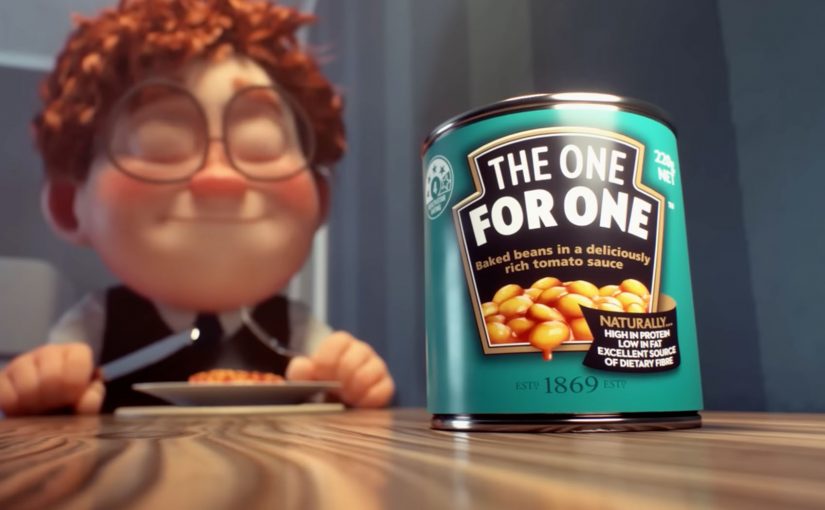
Kraft launches four new sizes of Heinz baked bean cans with a three-minute “life narrative” film. It follows Geoff, a man addicted to beans, and his future wife, whom he meets in the spaghetti department. The story builds to the punchline. Geoff “invents” a range of can sizes that feels perfect for different Australian occasions.

The creative choice is doing a lot of work. It turns something that is normally functional and forgettable. Pack size. Into a character-driven narrative that is easy to watch and easy to remember.

The insight behind the pack strategy

In 2016, Kraft commissions consumer and shopper research to understand how Australians use Heinz beans and spaghetti. The key finding is straightforward. People want ideal can sizes that suit different occasions.

Four sizes is not “more choice” for its own sake. It is a response to a usage reality. One household does not always need the same portion format.

Why a film is the right container for a packaging story

Packaging benefits can sound like rational product copy. This film makes the point emotionally, then lands it practically.

The narrative format also solves a distribution problem. It gives the campaign a reason to be watched and shared even by people who do not currently care about can sizes.

What to steal if you are launching format variants

  • Start with a concrete usage insight, not a portfolio decision.
  • Give the variant story a memorable mental model. Here, “a can size for every occasion.”
  • Use entertainment to earn attention. Then let the product logic feel obvious, not forced.

A few fast answers before you act

What is being launched here?

Four new sizes of Heinz baked bean cans.

What insight drives the launch?

Kraft’s research shows Australians are looking for ideal can sizes to suit different occasions.

How is the launch communicated?

Through a three-minute life narrative film featuring Geoff and his future wife in the spaghetti department.

What is the core marketing technique?

Use story to make a functional packaging benefit feel human, memorable, and worth sharing.

VW GTI Banner Race: Chase a Car Across the Web

Volkswagen Netherlands set out to launch the new GTI in a way that feels fast before anyone even touches the accelerator. The result is an online race staged inside banner advertising, but mapped onto the physical logic of the real world.

Four popular Dutch websites are painted as the runway of an airport, each banner space measuring 20 metres wide and 25 metres long. On race day, 13th September, participants chase the GTI as it speeds through the banner spaces of each site. The person fast enough to catch the new GTI wins the car in real life.

When banners stop being static and start behaving like space

The mechanism is a reframing of banner advertising. Instead of isolated rectangles, the banners become connected terrain. Each site represents a segment of runway. Movement between banners creates the illusion of distance, speed, and progression.

The GTI does not just appear. It moves. And because it moves, the user has a reason to stay alert, react quickly, and treat the banner as something to engage with rather than ignore.

In digital launch campaigns, turning passive media into an environment with rules is often the fastest way to earn attention without buying more impressions.

Why speed and scarcity do the heavy lifting

This works because it borrows from racing psychology. There is a single target. There is a clear win condition. And there is scarcity. Only one person catches the GTI. That tension transforms passive browsing into a moment of competition.

The prize is not symbolic. Winning the actual car anchors the experience in reality, which prevents the activation from feeling like a disposable digital trick.

The intent: make the GTI feel alive online

The business intent is to translate the GTI’s performance DNA into a digital format. Speed, responsiveness, and thrill are not explained. They are simulated. The banner becomes a proxy for the car’s character.

At the same time, Volkswagen demonstrates that standard media formats can still surprise when they are treated as systems instead of slots.

How it was built behind the scenes

The making-of video shows how the different banner environments were aligned, timed, and stitched together to behave like a single runway across multiple sites.

What to steal from the GTI banner race

  • Rethink familiar formats. Banners can be environments, not just placements.
  • Design for motion. Movement creates attention where static assets fail.
  • Use a real reward. Tangible stakes raise commitment instantly.
  • Connect experiences. Linking multiple sites turns reach into narrative space.
  • Encode the product DNA. Let the interaction mirror what the product stands for.

A few fast answers before you act

What makes this GTI launch different from a normal banner campaign?

The banners are connected into a continuous race environment, turning advertising space into gameplay instead of static exposure.

Why use an online race to launch a car?

Because racing instantly communicates speed and performance, which are core to the GTI identity.

Does this work without the prize car?

The experience would still be novel, but the real-world reward dramatically increases urgency and participation.

What role do partner websites play?

They become part of the environment. Each site is a segment of the runway rather than just a host for an ad.

What is the main takeaway for digital launches?

When you turn media formats into systems with rules and progression, people stop skipping and start playing.